
Show summary Hide summary
There are plot twists, and then there are the kinds of plot twists that happen on the international fighter jet market. Bangladesh’s fighter procurement saga lately could give any political thriller a run for its money. What looked like an imminent French or European win has turned into a Chinese celebration—but what’s really behind this abrupt shift in Dhaka’s ambitions?
From French Favourites to the Chinese Wild Card
For months, Bangladesh’s search for new multirole fighters seemed a straightforward contest between two heavyweights: France’s Dassault Rafale and the Eurofighter Typhoon. With Bangladesh’s air force fleet mainly comprised of about thirty Chengdu F-7s (the Chinese rendition of the Soviet MiG-21) plus a handful of Russian MiG-29s, it wasn’t about luxury shopping—it was about survival in the sky.
- The country reportedly eyed four second-hand Rafale units from the French Air and Space Force, followed by eight more at the advanced F4 standard.
- At one point, local press almost declared Rafale the winner.
But in August 2024, all bets were off after a regime change in Dhaka: the Prime Minister made a quick getaway to India. Negotiations with Paris stalled. Enter the Italians—Typhoon’s advocate Leonardo rolled out the red carpet for Air Force chief Hasan Mahmood Khan, who visited their plants and attended demo flights in May.
Anglo-Saxon burial reveals “unprecedented” secrets: experts stunned by 1,400-year-old grave mysteries
What Your Instinctive Tree Choice Reveals About Your Personality—Experts Explain
By September, General Khan met with Italian ambassador Antonio Alessandro to discuss closer military ties—just after he’d announced that Bangladesh’s interim government (led by Muhammad Yunus, the famed microcredit pioneer) had given a green light for the future acquisition of new multirole fighters and air defense systems.
The Chinese J-10CE: Outflanking the Europeans
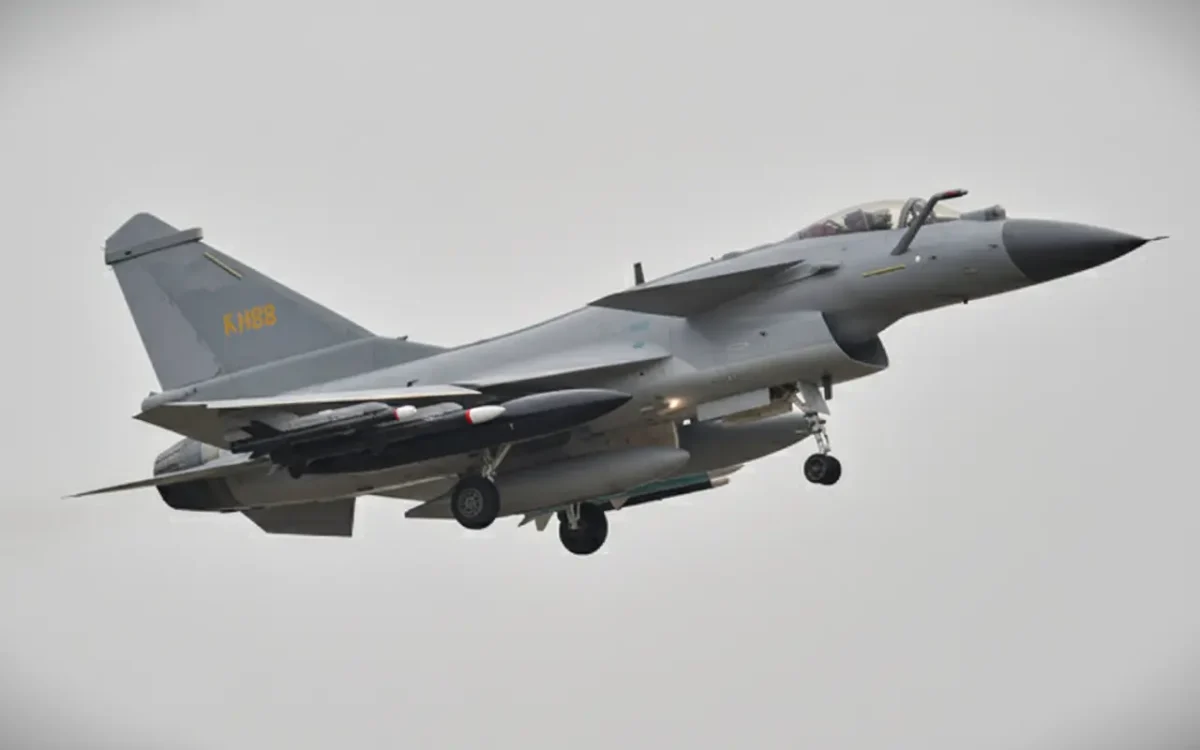
But as is often the case in South Asian affairs, there was another player waiting just off stage. The Chengdu J-10CE, already in service with China and Pakistan, seems to be the stealthy winner. Whispers of this result had emerged following Yunus’s March meeting with China’s President Xi Jinping. The deal’s appeal apparently strengthened after Beijing’s media and information salvos targeted the Rafale following a short but impactful conflict between Pakistan and India.
The J-10CE brings some modern toys to the table:
- A contemporary design (even if based on late-90s concepts)
- An active array radar and a robust electronic warfare suite
- A Shenyang WS-10B engine with 135 kN thrust, afterburner and thrust vectoring
- Compatibility with advanced PL-15 and PL-10 air-to-air missiles
All of this, while Bangladesh’s F-7 fleet is practically as outdated as cassette tapes—so the urgency, and even desperation, is clear.
Money, Politics, and the Not-So-Glamorous Reality
Plenty of factors have clipped the wings of a French or Euro-Bangladeshi deal:
- Cost: Rafale and Typhoon are some of the priciest jets out there. With a $2.2 billion envelope planned over ten years, Bangladesh was looking for performance on a shoestring.
- Geopolitical headaches: Could France really risk selling to Bangladesh, only to enrage India—its top Rafale client and not exactly Dhaka’s best pen pal?
- Budget blues: Even the Typhoon’s sticker price gave pause.
The Chinese offer, on the other hand, came with friendlier financing and strategic appeal. Bangladesh has a history of buying Chinese military hardware—and a strong J-10CE buy further cements its political ties to China, adding a “Great Brother” shield in the vicinity of a sometimes-tricky India.
Dhaka’s plans aren’t just about procurement. According to the Dhaka Tribune, a dedicated structure will assess the deal, scrutinising direct-purchase feasibility from either the Chinese government or a designated agency. They’ll also wrangle over maintenance, training, spare parts, and payment conditions. Not your standard “add to basket” checkout experience.
General ANM Muniruzzaman, now leading the Bangladesh Institute of Peace and Security Studies, cautioned that US-China tensions should be factored in before signing any cheques. Still, he admitted Bangladesh’s need for modern fighters is undeniable.
Winners, Losers, and the Ever-Shifting Chessboard
The story reveals more than a country picking the cheaper fighter. It shines a light on:
- The interweaving of arms deals and regional politics—China delighting in a win that pokes India, all while gaining a strategic friend on the Bay of Bengal
- The inescapable role of budgets: when even cut-price European warplanes are off the table, Bangladesh’s hands are tied
- The headaches for Western arms exporters, perpetually juggling business with alliances
In the end, Bangladesh’s leap toward the J-10CE is about more than just new hardware—it’s about surviving, hedging bets, and picking a dance partner who’s happy to lead without breaking the bank. Until there’s official confirmation, it’s a reminder to all players: in global defense, today’s favorite might just be tomorrow’s also-ran. Stay tuned—and if you’re in the market for second-hand MiG-21s, now’s your chance.