Show summary Hide summary
The United States, land of the free, is currently grappling with a heated controversy: can what you post on social media get you kicked out of the country? Under the Trump administration, the answer appears to be ‘yes’—and that’s got lawyers, activists, and plenty of social media users talking. Buckle up for the latest chapter in American debates about immigration, surveillance, and free speech.
New Guidelines, New Reactions: The Spark That Lit the Fire
The U.S. Immigration and Customs Enforcement (ICE) service is in the limelight once again. The Trump administration has declared that visa holders can now be expelled from the United States if their social media posts raise eyebrows. The definition of suspicious content? Well, it’s worryingly broad, according to critics and advocacy organizations.
This new policy hasn’t gone unnoticed. Unions and associations have already announced plans to challenge these measures in court. The resistance is organized and vocal, determined not to let these changes pass without a fight. No one is going quietly.
Anglo-Saxon burial reveals “unprecedented” secrets: experts stunned by 1,400-year-old grave mysteries
What Your Instinctive Tree Choice Reveals About Your Personality—Experts Explain
The First Legal Counterattack Arrives
Among the first to take legal action is the Electronic Frontier Foundation (EFF), which wasted no time filing a lawsuit against what it calls increased surveillance of the social media accounts of immigrants. According to EFF, this goes beyond policy reform—it’s an outright attack on the freedom of expression, affecting citizens and non-citizens alike.
The EFF’s legal challenge specifically targets the State Department’s so-called “capture and revocation” policy. This initiative threatens visa holders with expulsion if their posts, analyzed (of course) with artificial intelligence, are interpreted as showing support for terrorist organizations such as Hamas. The real kicker? The definition of such groups is incredibly flexible; even the Antifa movement was recently labeled a “domestic terrorist organization” by Donald Trump.
Expanding the Web: Digital Surveillance and Its Risks
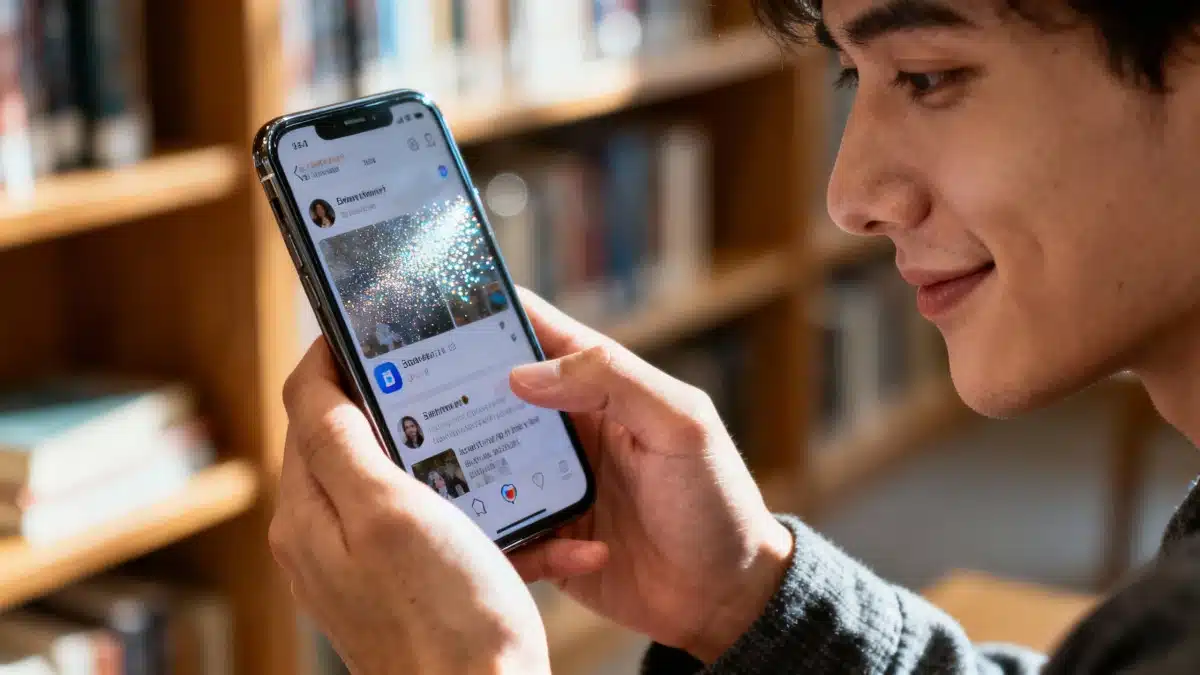
Opponents of the new measures warn about the potential for an ever-broadening net of digital surveillance. The policy doesn’t just impact immigrants—it could also end up affecting their friends, families, and anyone in their social network. The alarm bells are ringing about risks to fundamental liberties and the chilling effect on free speech. It’s one thing to watch what you say at airport security; it’s another when an old Tweet or Instagram post can determine your fate in the country.
This isn’t an isolated incident. Recent events have unfolded in quick succession:
- On October 14, Meta announced it had removed a Facebook page used to track the movements of immigration officers. This move came upon request from the U.S. Department of Justice, as confirmed by the company.
- Earlier in the month, Apple and Google blocked the download of mobile apps that signaled the presence of immigration agents. This happened mere hours after the administration demanded the removal of an especially popular app.
Clearly, the online battlefield is more crowded—and charged—than ever.
Big Brother Goes 24/7: Social Media Teams on the Hunt
The ambitions of American immigration authorities don’t stop at a few app removals. There are plans to create a round-the-clock, seven-days-a-week team, dedicated exclusively to scouring social media. The aim? To facilitate arrests and keep information constantly flowing. In fact, the agency intends to recruit around thirty private contractors with the explicit mission of analyzing social networks and extracting actionable information for operations, including raids and detentions.
These teams will comb through:
- Posts, photos, and messages on Facebook
- Instagram stories and images
- TikTok videos and comments
- YouTube uploads
- Content on other platforms as well
The goal is clear: transform publicly available data into fresh leads for investigations. For social media enthusiasts—and the privacy-conscious among us—this is nothing short of a wake-up call. Your digital footprint has never mattered more.
In the Eye of the Storm: What Now?
In an environment this tense, with both policy and technology moving at breakneck speeds, the battle over free speech and surveillance is far from settled. Whether you’re an immigrant, a citizen, or just someone who enjoys a good meme, it’s a stark reminder that the digital world is now deeply entwined with the rights and freedoms we often take for granted. As for what you should post online? Well, you might want to think twice before you tweet. Your future—or someone else’s—could depend on it.