Show summary Hide summary
Forget what you think you know about Tupperware. The iconic brand, once synonymous with brightly colored plastic boxes stashed in kitchen cupboards, is staging a comeback no one quite saw coming. With nostalgia in one hand and innovation in the other, Tupperware is cooking up a relaunch aimed at captivating more than just home cooks. Has the age of the plastic box ended? Not quite—but the recipe is definitely changing.
A Return Written Against the Odds
It’s no secret Tupperware hit hard times recently. After tumbling through financial difficulties in 2023 and slipping under protection in 2024, the French branch seemed headed for the recycling bin of history. But in March 2025, a new chapter began as Cédric Meston, a 31-year-old turnaround specialist, scooped up the faltering franchise. Known for reviving brands with a flair, Meston quickly reintroduced the brand’s legendary home parties—yes, those social gatherings where you once weighed a plastic bowl in one hand and a canapé in the other. Now, online shopping is stepping back into the spotlight alongside these revived gatherings, signaling a reinvention built on multiple pillars.
Beneath the Surface: Ambitious Goals and Fresh Designs
Tupperware isn’t just dipping a toe back into the market; it’s doing a belly flop. The goal: 100 million euros in sales by the end of 2025 across France, Belgium, Italy, and Poland. No half-baked ambitions here. Meston revealed these targets to the economic magazine Challenges, spelling out plans to mobilize a 20,000-strong army of home sellers throughout Europe—with 2,500 in France alone. Every metric is checked, every execution step meticulously scrutinized. No detail is too small when you’re fighting to retake kitchen territory.
Anglo-Saxon burial reveals “unprecedented” secrets: experts stunned by 1,400-year-old grave mysteries
What Your Instinctive Tree Choice Reveals About Your Personality—Experts Explain
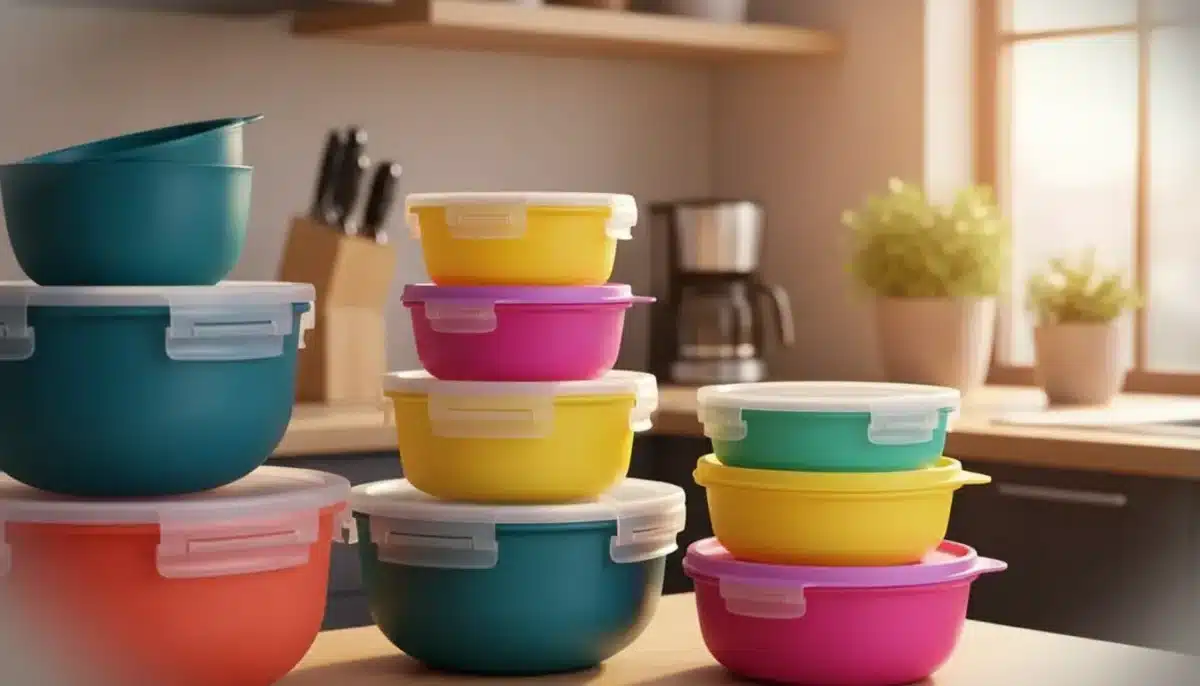
The brand makeover is impossible to miss in stores. Refreshed designs and warm, friendly colors line supermarket shelves: blue, pink, yellow, and green bottles are already popping up everywhere. Tupperware isn’t abandoning its party roots but is now combining direct sales with a retail presence, aiming for a steady, understandable commercial rhythm that should keep both mystery and chaos out of customers’ weekly shopping lists.
From Plastic Boxes to Silicone, Inox, and Even Airfryers
Tupperware’s resurrection doesn’t just ride on new colors. The product range, for now, is a tight-knit squad of 200 items—proof that the days where “Tupperware” was interchangeable with “plastic container” are history. The brand’s modernity now shines in new materials and expanded uses. The star? Silicone. Once the subject of heated debates, now reimagined into colorful, practical pouches retailing for 20 euros each, aimed at making busy commutes neater and brighter. Tupperware isn’t just selling solutions for leftovers, but for everyday routines, hoping utility and surprise will lure customers back.
- Thermal water bottles in stainless steel: 50 euros
- Collapsible salad bowls: 12.90 euros
- Microfiber eyeglass cloths: 12.90 euros
- An unmistakably original airfryer (3 liters): 199 euros
The focus isn’t just on the kitchen drawer anymore. These new products are proclamations of value and innovation, underlining the company’s conviction that “practical” can rhyme with “exciting”—if you really stretch your imagination (and maybe your salad bowl).
Skepticism Bubble: Will Consumers Swallow New Materials?
The Achilles heel of Tupperware’s renaissance? Consumer trust. Although the brand declares its silicone is food-grade, FDA-approved, and free from baddies like Bisphenol A, lead, latex, and phthalates—the full assurance is spelled out on its official website—shoppers remain wary. Traceability and clarity are the names of the game as concerns linger over PFAS and other potentially carcinogenic substances. Tupperware knows it must offer not just innovation, but transparency from concept to checkout, letting no smidgeon of doubt survive between product and plate.
Eating up Tupperware’s reinvention isn’t a given. Competitors like Ikea, Pyrex, and Duralex are already well-rooted in kitchen cabinets. Budget chains such as Lidl, Action, and the ever-tempting Amazon undercut on price at every turn. Tupperware must justify its place—and its price tag—through thoughtful design, genuine utility, and first-rate service. Otherwise, tight wallets might simply swipe left on temptation.
The plan, however, seems well-crafted: networks, pricing, and the gamble on new materials all reinforce one another. To win back loyalists—and recruit new converts—Tupperware will need to pair health transparency with easy distribution and genuinely useful innovation. Competition forces high standards and rapid responses. If promises are clearly kept, the brand could stage a true comeback, reviving demand for those revamped kitchen heroes. Until then, a dash of patience will be needed. After all, in or out of the box, some things just can’t be rushed.