
Show summary Hide summary
Imagine enduring years of discomfort only to discover that the culprit is something you’ve barely heard of—smegma. It’s not the punchline of a risqué joke, but a real issue that, in certain circumstances, could signal more serious health risks. Let’s wipe away the confusion, break the taboo, and answer a pressing question: could decades of smegma buildup really be a hidden risk for severe pain—or even cancer?
Understanding Cancer Risks: Not All Factors Are Created Equal
The world of cancer risk factors is a complicated one. Some behaviors, substances, or states can increase or decrease your risk of developing cancer. Most cancers are linked to multiple risk factors, but sometimes, cancer happens even when no obvious risks are present. Just when you think you’ve checked every box, life throws you a medical curveball.
Penile Cancer in Focus: A Rare But Serious Concern
Let’s get straight to the point: penile cancer is rare, at least in Canada. Its risk increases with age and occurs most often in men over 60, though it can appear at any age. Certain things that boost the risk for penile cancer can also trigger so-called precancerous conditions like penile intraepithelial neoplasia (PIN) and kraurosis penis. While not cancers themselves, these conditions can transform into invasive penile cancer if ignored and untreated. Sometimes, the best offense is a good defense—knowing what raises your risk is key.
Anglo-Saxon burial reveals “unprecedented” secrets: experts stunned by 1,400-year-old grave mysteries
What Your Instinctive Tree Choice Reveals About Your Personality—Experts Explain
Smegma, Phimosis, and Other Risk Factors: Breaking Down the Science
- The human papillomavirus (HPV) can cause warts—and not just the “once upon a time” kind. These papillomas form on different parts of the body, including the genitals. HPV spreads with ease by skin-to-skin contact, especially through sexual activity, including oral sex. Unfortunately, HPV also increases the risk of penile cancer.
- Here’s where foreskin comes in: a penis is considered circumcised when the foreskin is removed. Those circumcised as newborns or children seem less likely to develop penile cancer than those circumcised later. However, getting circumcised as an adult does not appear to provide that protective benefit.
- Even though data suggest that early-age circumcision reduces penile cancer risk, there isn’t enough solid evidence to recommend circumcision as a fail-safe prevention tool. The Canadian Paediatric Society does not routinely recommend it. This decision is deeply personal and often guided by religion or culture more than medical advice.
- If you have a non-circumcised penis, the foreskin can sometimes thicken, tighten, and become difficult to retract—a situation called phimosis. Phimosis makes proper cleaning trickier, which can lead to infections or chronic inflammation. And yes, that also ups your risk of penile cancer.
- Kraurosis penis is another factor to watch. People with kraurosis penis often end up with phimosis as well. If you have both, your risk for penile cancer is higher than with phimosis alone.
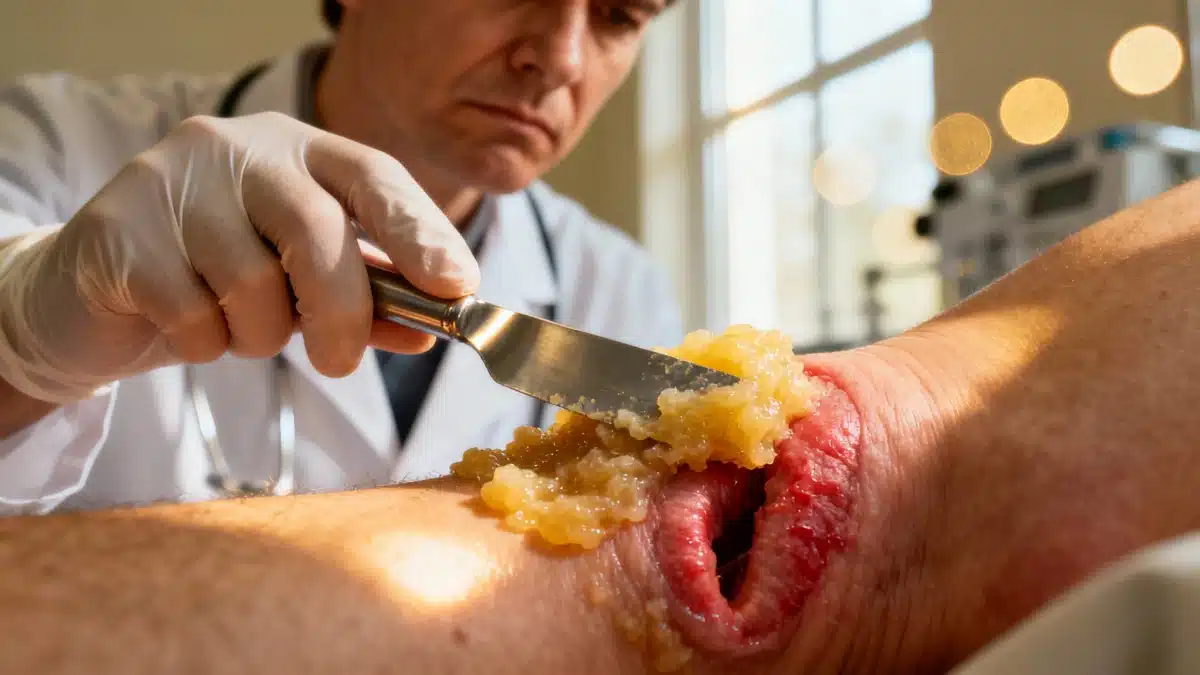
- Smegma: the star of today’s show. Smegma is a thick, natural substance made up of dead skin cells, bacteria, and oils. It collects under the foreskin if you’re not circumcised—and is even more likely to accumulate if regular cleaning is skipped. So, if your hygiene habits are lacking, you’re more at risk of smegma piling up, which can contribute to inflammation and possibly increase your risk of more serious problems.
- A weakened immune system—immunosuppression—also puts you more at risk for penile cancer. Whether it’s due to HIV or because you’ve had an organ transplant and must take immune-suppressing medicine, you’re in a higher risk category.
Taking Charge: What You Should Know (and Do)
While some factors are out of your control, there are steps you can take to protect yourself. These include maintaining good hygiene, asking your doctor about your risks, and learning how you can prevent cancer or reduce your individual risk. Here’s a quick recap:
- Practice personal hygiene, especially if you are not circumcised
- Talk to your doctor about any changes, discomfort, or questions
- Understand that decisions like circumcision are personal and not strictly medical
- Be aware of your immune health, and discuss with your healthcare professional if you’re at risk
The information here is meant for general guidance. It can never replace the relationship or advice you get from a qualified healthcare professional. Always consult with your doctor about any health concerns or before making medical decisions. The Canadian Cancer Society aims to provide accurate, reliable information but cannot guarantee its completeness or the absence of errors.
So, if you (or someone you care for) are wondering if decades of neglecting hygiene could lead to more than just discomfort—the science says it might. Don’t panic, but don’t ignore the issue either. Cleanliness truly can be next to healthiness.