
Show summary Hide summary
Balancing national security and economic prosperity is never easy, but if there were ever a place to try to juggle those bowling pins in the fog, it would be Britain—and the act has never been slippery than in its current high-stakes dance with China.
An Unprecedented Security Focus on China
Britain is not mincing words—or resources—when it comes to China. The UK’s electronic surveillance agency has allocated more firepower to the China mission than any other assignment. British foreign intelligence keeps undercover officers deployed across the globe, straining to counteract Chinese espionage. Meanwhile, Ken McCallum, head of MI5 and master of understatement, recently declared that Chinese spies threaten Britain’s national security every day. As he pointed out, this refrain isn’t new: “I’ve said that today. I said that last year. I said it the year before.” He might as well have added, “If I’m still here next year, expect an encore.”
But while the security services thump the drum, signals from other corners of Whitehall are much fuzzier. Earlier this month, prosecutors dropped charges against two British men accused of spying for China. The legal logic? The government wouldn’t confirm, for court purposes, that China is a national security threat or even an enemy—leaving the case to collapse in a tangle of diplomatic anxieties.
Anglo-Saxon burial reveals “unprecedented” secrets: experts stunned by 1,400-year-old grave mysteries
What Your Instinctive Tree Choice Reveals About Your Personality—Experts Explain
Economic Stakes: A Trade Relationship Under the Microscope
This muddle points directly at the nation’s conundrum:
- Britain wants the lush benefits of trading with China, which is, after all, the world’s second-largest economy.
- But the UK needs to contain serious—and, at times, shadowy—security threats emanating from Chinese actors.
Trade between Britain and China is substantial: China was the UK’s fifth-largest partner, with annual trade flirting with £100 billion, government data says. Over 70 percent of that involves imports, much of it sensitive equipment and machinery. British leaders have not been shy about seeking economic boons from China: David Cameron presided over what he dubbed a golden era, while Theresa May and Boris Johnson likewise sought closer ties, the latter even promising a “pro-China” approach.
But clouds soon gathered. British horror at Chinese human rights abuses and relentless cyberattacks soured relations. Under pressure from the Trump administration, Britain banned gear from tech giant Huawei in its 5G network—eliciting a vow from China that Britain would “bear the consequences.”
The Spy Case and the Embassy Standoff
The chill became frostier after the arrest of two British men in April 2024 for allegedly leaking secrets to a Chinese intelligence operative linked to China’s formidable Ministry of State Security. As legal proceedings unfolded, Mr. Starmer became Prime Minister—and almost immediately, that spy case fell apart when prosecutors withdrew. Conservative critics pounced, accusing him of ditching the case to please Beijing and protect trade. Starmer countered, blaming the lack of updated laws on his Conservative predecessors and emphasizing that his government was not politically interfering.
Trying to silence the growing uproar, Starmer released court documents from deputy national security adviser Matthew Collins, who described China as the largest state-based threat to the UK’s economic security. Still, Collins—and the government before Starmer’s—stressed a commitment to maintaining “positive” economic relations with China. It’s a two-step: get tough on security, but not too tough to scare away trade.
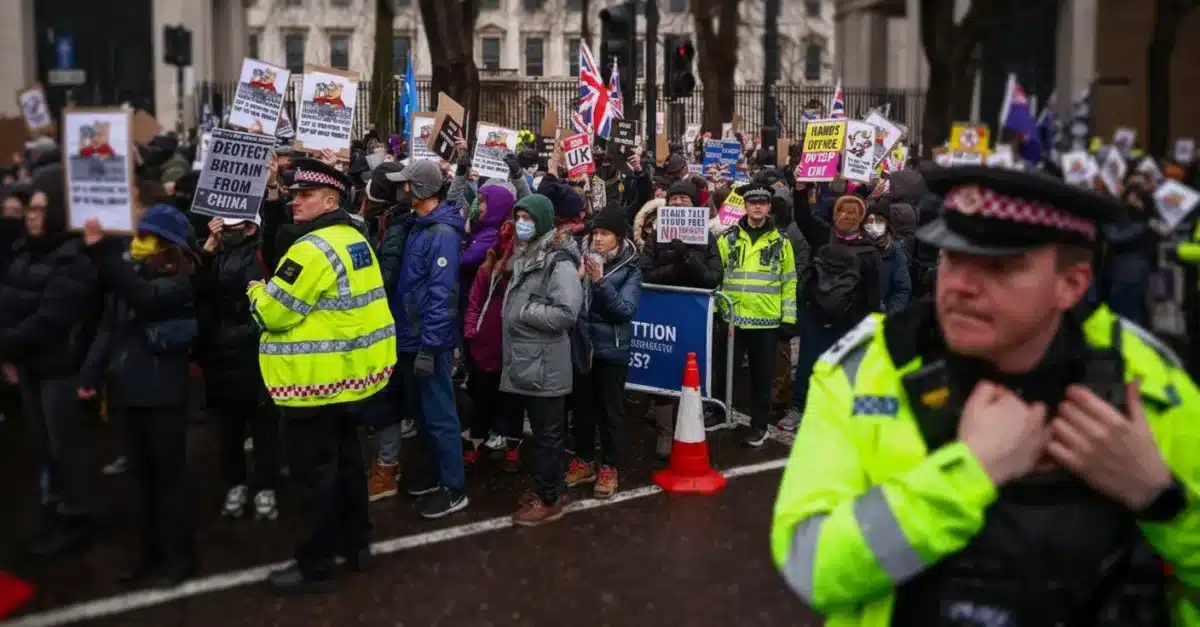
As if this diplomatic minuet were not enough, another issue is testing nerves: the fate of China’s proposed colossal new embassy near the Tower of London. Security officials fret the planned 5.5-acre compound—which would be the largest diplomatic post in Europe—could serve as a spy base, with access to critical fiber-optic cables beneath the financial district. The government pushed back a decision, just as Chinese authorities have blocked UK plans to rebuild its embassy in Beijing, clearly revealing a tit-for-tat tension.
No Easy Answers: Walking the Tightrope
Questions swirl: Should economic ties outweigh security concerns, or vice versa? China’s government holds plenty of cards: it can restrict British exports with tariffs, discourage investment, and shift its banking business elsewhere. Eswar Prasad of Cornell University underlines just how potent these levers are—particularly since autos, a British export darling, could get caught in the crossfire.
Diplomacy, it turns out, is part chess, part contortionist act. Former Prime Minister Theresa May, reflecting on the challenge of managing China, remarked, “I am not sure if any of us have quite found the absolute way to be ensuring the global economy can benefit from China’s position… while at the same time reining back some of the more worrying aspects of China’s activities.” Meanwhile, tempers simmer: Beijing’s patience wears thin over embassy delays, and Chinese spokespeople hint that, as with the Huawei row, Britain “shall bear all consequences.”
Conclusion: Down the Rabbit Hole?
Britain is staring down its thorniest dilemma yet: How far will it go to safeguard its secrets without torpedoing trade? Every decision risks upsetting a delicate balance. So, next time you spot Big Ben ticking away, remember—it isn’t just keeping time for Londoners, but for ambassadors, spies, and trade negotiators stuck in an endless waltz with China.