Show summary Hide summary
A Cinematic Game Changer
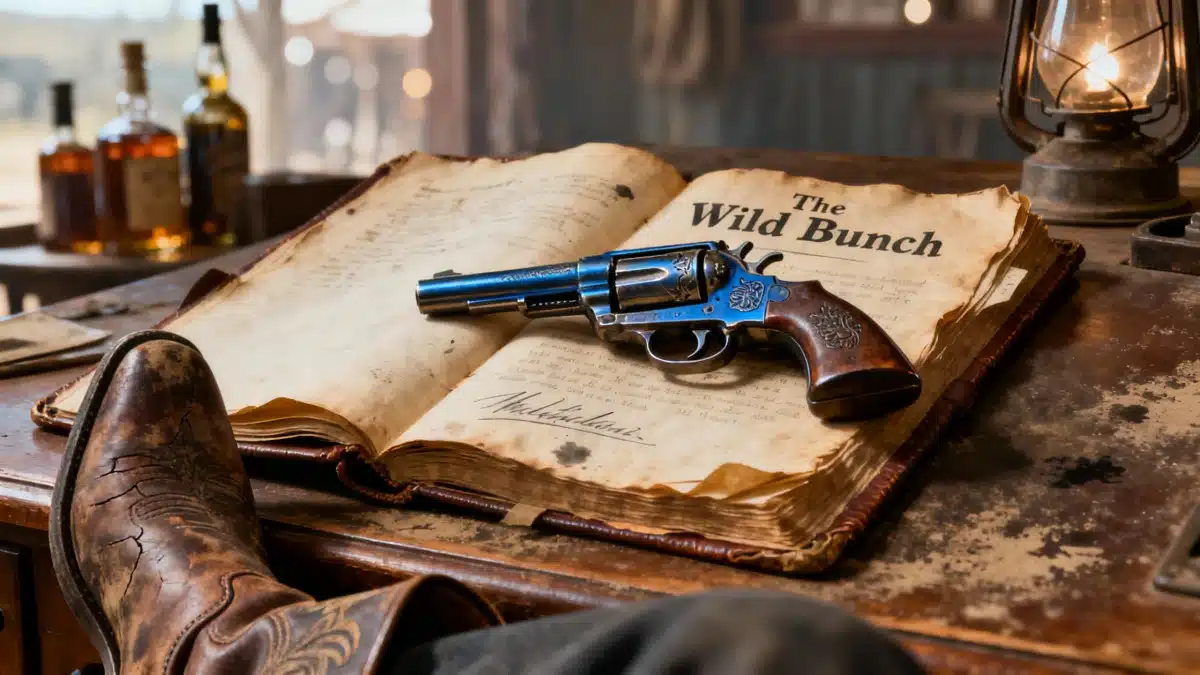
Released back in 1969 and helmed by the famously uncompromising Sam Peckinpah, “The Wild Bunch” didn’t just rattle audiences—it thundered through Hollywood like a stampede. The film’s then-shocking violence and trailblazing visuals immediately set it apart. Since then, it’s become a foundational pillar of American cinema and is often ranked among the greatest westerns ever filmed. Not bad for a movie some didn’t know what to make of at first, right?
Outlaws, Chaos, and the End of an Era
The story unfolds near the Texas-Mexico border—think long shadows, baked earth, and an unmistakable tension in the air. Pike Bishop, played by William Holden, leads a group of aging outlaws desperately trying to pull off their final score. Of course, their planned train station robbery derails (pun intended) when a crew of bounty hunters triggers a trap, unraveling into mayhem.
Anglo-Saxon burial reveals “unprecedented” secrets: experts stunned by 1,400-year-old grave mysteries
What Your Instinctive Tree Choice Reveals About Your Personality—Experts Explain
From there, the film plunges into a ferocious journey through war-stricken Mexico, where alliances shift by the hour and the simple act of making it out alive is up for grabs. Survival in “The Wild Bunch” isn’t about who’s the fastest draw—it’s about who can hold on when everything else breaks down.
Redefining Violence and Morality
Peckinpah didn’t just direct a western—he reconstructed what action could look and feel like on screen. With multiple camera angles, quick-fire editing, and now-legendary slow-motion shootouts, he transformed gunfights into bloody ballet. At the time, nobody had seen violence so stylized and visceral, and more than a few critics wondered what to think.
I made a movie about America’s guilty conscience.
Beneath all the spectacle, though, there’s depth. Peckinpah himself said the film was born of the moral confusion of the Vietnam War era. In his vision of the Old West, there are no straightforward heroes—just the relentless march of progress flattening everything, and a world where the borders between good and evil vanished a long time ago.
Legacy: From Spaghetti Westerns to Hollywood Icon
When “The Wild Bunch” hit cinemas, Hollywood wasn’t the only game in town. Italian westerns—lovingly dubbed “spaghetti westerns”—were cleaning up at the box office, with directors like Sergio Leone putting anti-heroes, larger-than-life shootouts, and dark humor front and center.
Peckinpah, though, had no interest in hero worship or easy answers. His West was messy, mournful, and stripped of glamour. Forget the stylized violence and swagger of the Italian imports—”The Wild Bunch” told the story of broken men clawing at a vanishing way of life. Peckinpah’s rough-edged brutality felt authentic and left audiences shaken, not just entertained.
Despite dividing opinion when it first premiered, the film scooped up several Oscar nominations and was later celebrated by the Directors Guild of America. Its crowning achievement came in 1990, when the National Film Registry ensured its preservation for future generations—a surefire sign that its legacy was secure.
The movie’s influence still ripples through Hollywood today, inspiring not just fans but directors like Quentin Tarantino and Martin Scorsese. Film buffs and students alike continue to dissect it in universities and at retrospectives worldwide. “The Wild Bunch” isn’t just a western—it’s a landmark for anyone who still believes movies can matter.
If you’re someone who thinks westerns are all dusty hats and high noon shootouts, consider this your wakeup call. “The Wild Bunch” is a study in honor, desperation, and the inevitable passing of time, told with a cinematic sharpness that’s just as fresh today as it was in 1969. So, if somehow this classic has passed you by, maybe it’s time to saddle up—you’re in for one wild ride.