
Show summary Hide summary
High-Altitude Encounters: Calm under Pressure
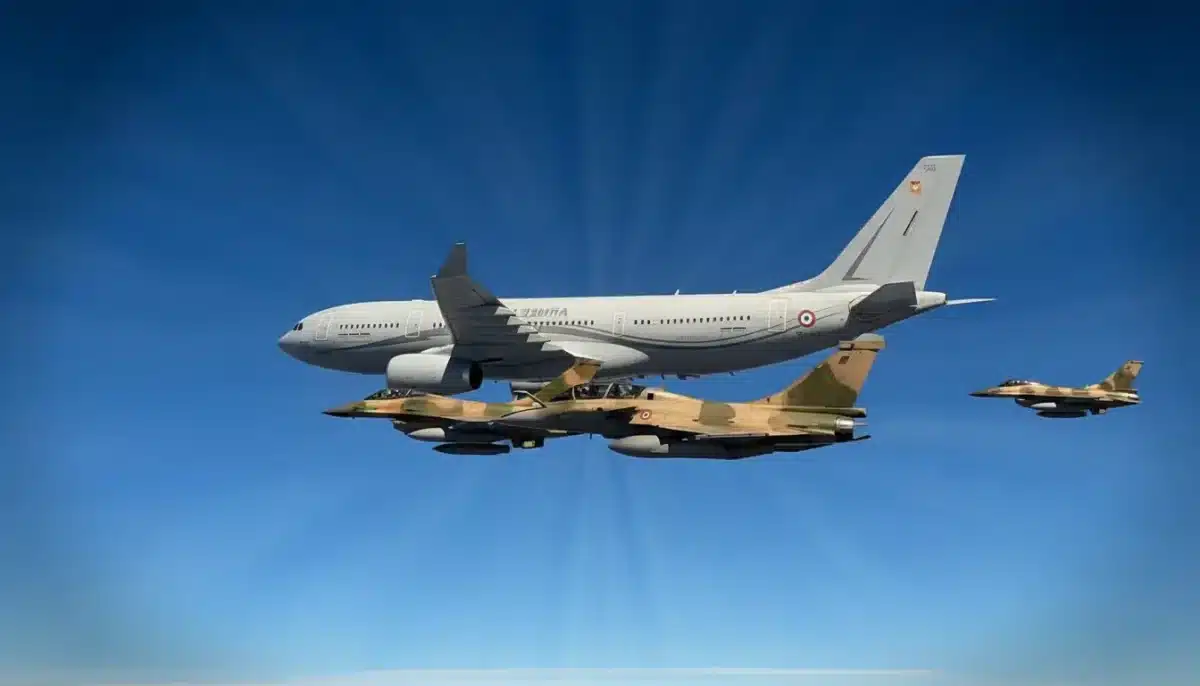
An unidentified blip pops up on the radar. In a flash, the Moroccan F-16s scramble into action, sweeping straight toward the designated aircraft. They lock visual contact, stabilize their approach—no sudden moves, just a well-rehearsed calm. Inside the cockpit, the atmosphere stays cool, laser-focused. Facing them: an A330 MRTT “Phénix” tanker, escorted by two French Rafale B jets. Everyone here knows the rules, but not a single person lets their guard down.
Air traffic control cuts in, reminding everyone, in no uncertain terms, of the boundaries. The message couldn’t be clearer: return to international airspace, or face an armed response. Nothing aggressive, just pure discipline. This is no playground scuffle. This is the core of Marathon 25, an exercise where each crew goes all out until the very end. Identification is confirmed, separation goes off without a hitch, and instructions are followed to the letter. No room for improvisation.
Anglo-Saxon burial reveals “unprecedented” secrets: experts stunned by 1,400-year-old grave mysteries
What Your Instinctive Tree Choice Reveals About Your Personality—Experts Explain
Building Trust, One Maneuver at a Time
It’s in these moments, when everything feels almost effortless, that the depth of cooperation becomes obvious. The interception could be real. It isn’t—but the intensity certainly doesn’t fake it. The Airbus at the heart of this setup is both a tactical target and an anchor point for the simulation, switching roles at the blink of an eye.
But the Marathon 25 exercise isn’t all about interceptions. It pushes crews to the limits of their endurance and drills routines until they’re second nature. Five French Rafale Bs, eight Moroccan F-16s, all taking turns practicing air-to-air refueling with the Phénix. For Moroccan pilots used to the Hercules, the MRTT is a game-changer. Here, we’re talking millimeter precision. There’s simply no margin for error.
Approach after approach, each connection with the refueling basket demands nerves of steel, calm hands, and finesse. One tiny slip, and it’s back to square one. Even so, the radio chatter stays crisp, and the maneuvers flow almost like a well-orchestrated score. Brief glances are exchanged through the cockpit windows—but there’s no need for extra words.
Discipline in the Skies
The Airbus keeps the tempo. It gives the range, sets the pace, shapes the structure. Each pass underlines just how valuable this level of training really is. Everyone comes out sharper. Marathon 25 is proof that endurance alone isn’t enough: you need control, composure, and flawless teamwork.
Exercises like this don’t just happen by chance. They’re built on years of groundwork, sometimes in silence, sometimes under tension. Relations between France and Morocco haven’t always been straightforward. But up here, there’s no debating politics. The crews fly, they execute, they protect. The shared goal: maintain control, learn to work in sync, and perfect every move.
Readiness for What Comes Next
The upcoming live-fire phase, to be held above Moroccan soil, will raise the bar even higher—more precision, even tighter discipline. But the foundation is set. Marathon 25 isn’t just for show; it’s a dress rehearsal for the moment when the stakes become all too real. When every minute counts. When the alert stops being a simulation.
Radio discipline, identification protocols, rules of engagement—everything is drilled down to the bone. There’s simply no slack. Yet underneath this rigor lies trust. Real trust. The kind that’s forged in the cockpit, not around a conference table.
What Marathon 25 reveals is that modern defense is as much about people as it is about machines. And when those people know exactly what they’re doing—when they all speak the same operational language—that changes everything.