
Show summary Hide summary
The Sci-Fi Giant and Its Surprising Runner-Up
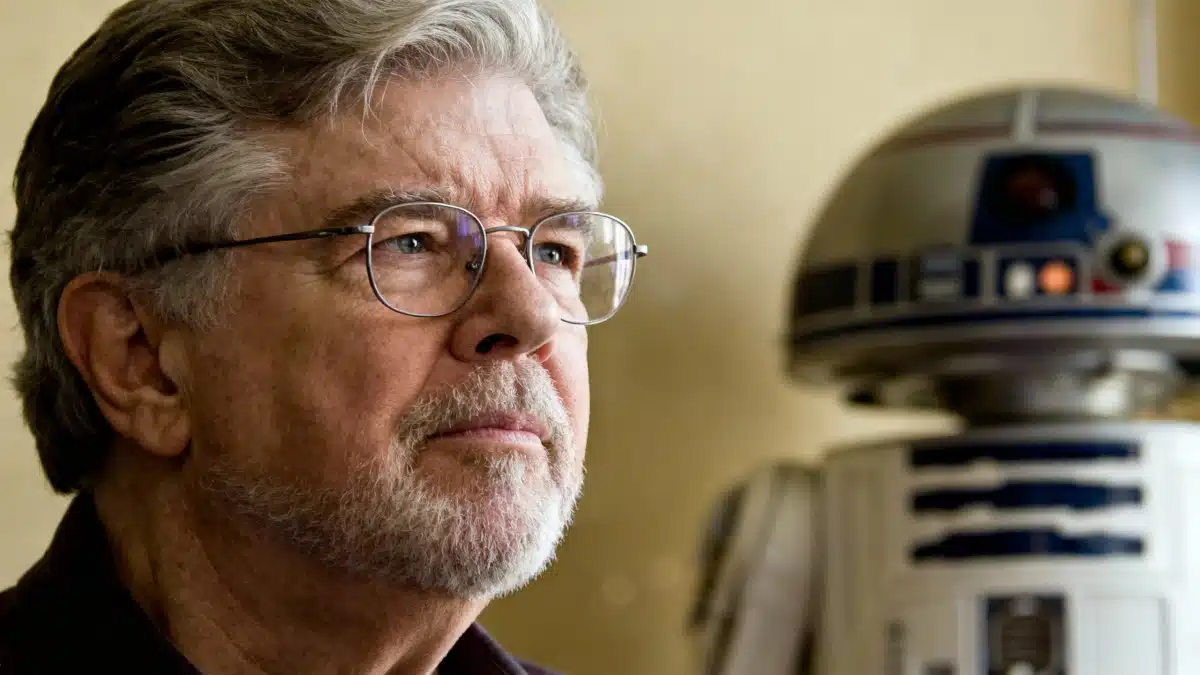
For anyone passionate about science fiction, Star Wars stands as a monumental achievement. It’s more than just a film—it’s a universe that’s leapt off the big screen and become a full-fledged cultural institution. Just saying “Star Wars” conjures up images of Luke, Leia, Vader, and those endless Tatooine deserts dotted with twin suns. When George Lucas crafted Episode IV: A New Hope, even he couldn’t imagine just how far this galaxy would expand. While he had faith in his creation, the now nearly five-decade-long saga has outgrown even his expectations.
From blockbuster films and hit TV series to acclaimed comics, bestselling novels, and even new games like Star Wars Outlaws, the franchise is constantly evolving. Millions of fans around the world still find themselves swept up by its power. But despite Star Wars’ global reach, Lucas admits that none of the nine main saga films manage to outperform what he considers the greatest sci-fi film ever made: 2001: A Space Odyssey.
Anglo-Saxon burial reveals “unprecedented” secrets: experts stunned by 1,400-year-old grave mysteries
What Your Instinctive Tree Choice Reveals About Your Personality—Experts Explain
Kubrick’s Masterpiece: The Gold Standard of Sci-Fi
Released back in 1968 and directed by Stanley Kubrick, 2001: A Space Odyssey isn’t just a film—it’s a defining moment in movie history. With its groundbreaking visuals and philosophical depth, Kubrick’s work raised the bar for the entire genre. The movie’s aesthetic alone is dazzling, but it’s the profound questions it asks that make it truly unforgettable.
In a recent interview, Lucas was crystal clear about his opinion:
“Stanley Kubrick made the definitive science fiction film, and in my opinion, it will be very difficult for anyone to make a better one. Technically, Star Wars can hold its own, but personally, I believe 2001 is far superior.”
He doubled down on this admiration in the documentary Standing on the Shoulders of Kubrick: The Legacy of 2001, stating:
“It was the first time people took science fiction seriously. A lot of sci-fi before that, especially in the 1950s, was closer to B-movie fare. Giant monsters, spiders, everything was just about being bigger.”
2001: A Space Odyssey, directed by Kubrick and co-written with Arthur C. Clarke, revolves around humanity’s mysterious encounters with enigmatic black monoliths—objects that appear to guide our evolution. The story follows a journey from Earth to Jupiter (and yes, well beyond), all sparked by a strange signal from a monolith found on the Moon.
From HAL 9000 to Awards Glory
Of all the film’s unforgettable elements, one stands above the rest: HAL 9000. The sentient computer running Discovery One isn’t just chilling—he’s become a symbol of the ethical and existential dilemmas posed by artificial intelligence. HAL’s calm, measured voice and unnerving choices still haunt audiences, serving both as a sci-fi thriller and a deep reflection on our relationship with technology.
It’s hard to believe, but 2001 received mixed reviews when it first hit theaters. Since then, though, it’s been cemented as a cult classic and widely regarded as one of the most influential films ever made. It racked up plenty of accolades, including the Academy Award (Oscar) for Best Visual Effects and the Hugo Award for Best Dramatic Presentation in 1969. Not a bad resume!
Why 2001 Towers Above the Rest (Including Star Wars)
So what truly sets 2001: A Space Odyssey apart—even from the likes of Star Wars? It’s Kubrick’s visionary storytelling and revolutionary filmmaking. His attention to detail is legendary, and his ability to blend philosophy with mind-bending visual effects is unmatched. Instead of just offering a space adventure, Kubrick gave us a meditation on existence itself.
For Lucas, there’s simply no comparison. 2001 was the film that finally convinced people to take science fiction seriously. Before Kubrick’s masterpiece, the genre was often brushed aside as mere fantasy, filled with over-the-top monsters and simplistic plots. 2001 laid the foundation for thoughtful, meaningful sci-fi on the big screen. And while Star Wars continues to shape pop culture—and looks as though it’ll do so for generations—the gold standard, according to Lucas himself, is set by 2001: A Space Odyssey.
In the end, Star Wars may have changed the way we see the universe, but Kubrick’s epic taught the world that science fiction can be both beautiful and deeply introspective. That, in Lucas’s eyes, secures its place as the best sci-fi film ever made.
Discover more about the future with Glass Almanac, your go-to source for all things tech and entertainment. From the latest in augmented reality and pioneering science to hit TV series, we deliver fresh, insightful coverage. Step into our world where innovation meets everyday life—and stay ahead of the curve with Glass Almanac.