Show summary Hide summary
A Grid That’s More Than Meets the Eye
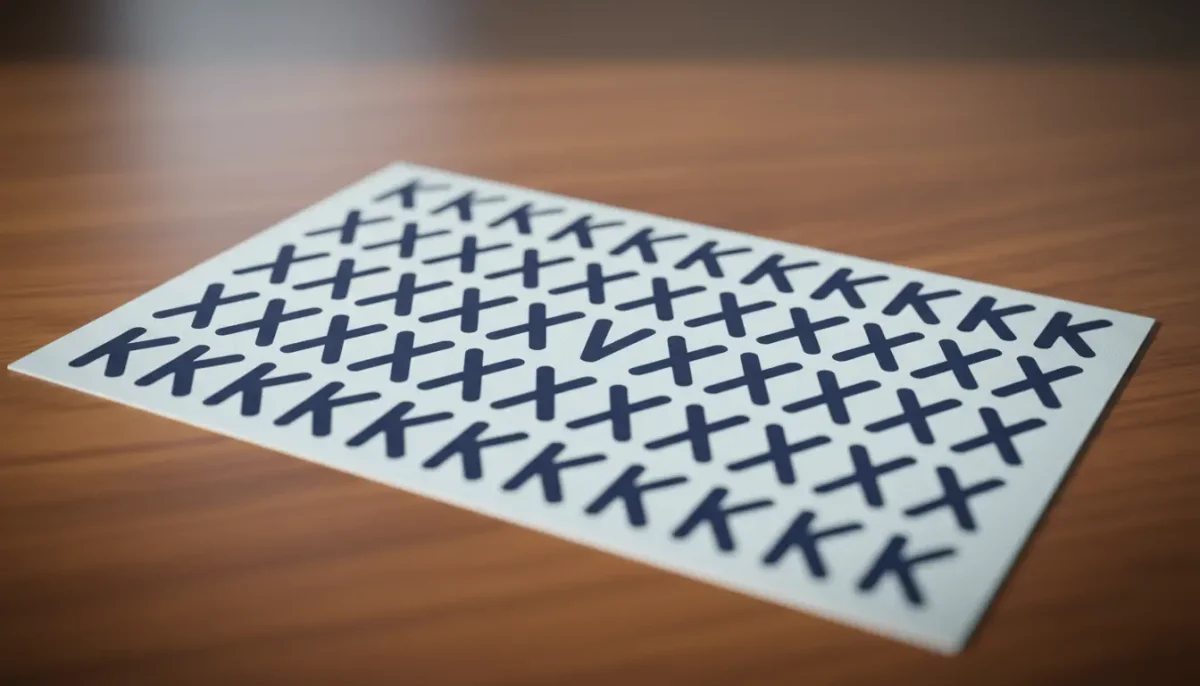
Imagine a page filled with endless rows of Xs and Ks. At first glance, everything blurs together and your eyes might just wander off for a coffee break. I know exactly how that feels. I experienced this myself during a fun workshop with neuroscience students at the University of Lyon in France—where, as the American Psychological Association has noted, exercises like these are used to measure reaction time and selective attention. Forget theory; you’ll find yourself squinting, searching intently for something that clearly wants to remain hidden.
Want to Outsmart the Experts? Here’s How
Trying to take in the entire grid at once? That’s a rookie mistake. Instead, do what Mensa International recommends for their Mensa IQ Challenge (yep, it’s a thing) and break the grid up into mental squares. During a dinner one time, I tested this strategy: each person had to spot the hidden letter before the others. By focusing on a block of just four lines, I snatched up the disguised Y… and a friendly wager, too! Some things just taste better with a side of victory.
Anglo-Saxon burial reveals “unprecedented” secrets: experts stunned by 1,400-year-old grave mysteries
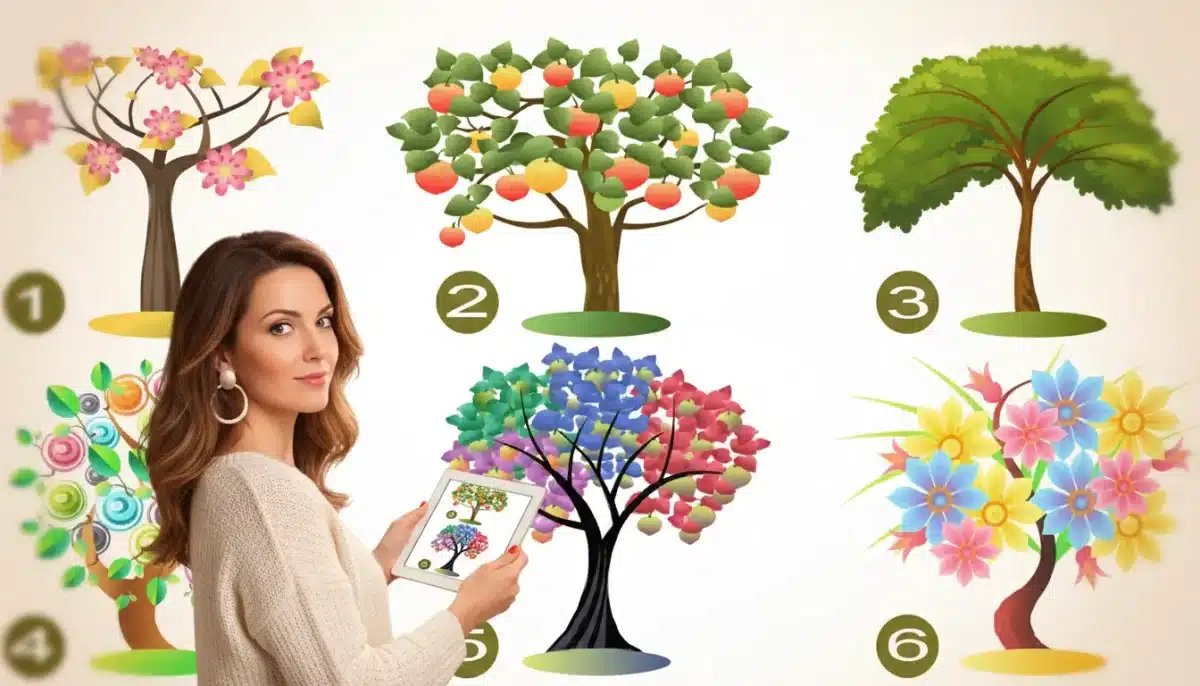
What Your Instinctive Tree Choice Reveals About Your Personality—Experts Explain
Tips for Spotting the Sneaky Letter
Overwhelmed by the Xs and Ks pouring into your vision? Try scanning line by line, or even column by column. The trick is to watch for anything that breaks the repetition—a subtle detail, a letter shape that just feels out of place. The secret is to calmly analyze each chunk. Personally, I make a ritual of taking three deep breaths before diving in. Call it grid meditation, if you will. It helps sharpen my focus and keeps me from missing the little quirk that changes everything.
Why Practice Makes You Sharper (and Maybe a Bit Smug)
So, did you spot the runaway letter? If your eye landed on a Y, congratulations: that’s some keen observation and impressive patience. Didn’t find it? No worries—this kind of exercise gets easier as you train. Remember: every session will boost your reaction speed and even help strengthen neuroplasticity (science says so!).
The more regularly you practice, the better you’ll get at picking out the unexpected—whether it’s a hidden word in a text or a tiny outlier in a photograph. And who knows? With a bit of time, you might end up outsmarting more than just the neuroscience students.