Show summary Hide summary
When Cars Are Good, But Service Falls Flat
Even though Chinese vehicles have, in some cases, caught up with their European counterparts and no longer have to feel embarrassed about performance, there’s still plenty of inconsistency from one model to another. Where they consistently fall flat, though, is after-sales service—clearly becoming the Achilles’ heel for the world’s largest car-producing nation.
To fix this glaring problem, carmakers in China will soon need to secure an all-important license before they’re allowed to export their electric vehicles abroad. And the stakes are higher than ever: a lot of these automakers may not survive the coming years if they don’t up their game.
Anglo-Saxon burial reveals “unprecedented” secrets: experts stunned by 1,400-year-old grave mysteries
What Your Instinctive Tree Choice Reveals About Your Personality—Experts Explain
No License, No Export: Why Service Matters
Trying to sell cars sustainably isn’t just about making a good product. As any long-time reader of auto magazines knows, top-notch after-sales service is key to success (and yes, we’ve been digging into this issue for over 25 years). The trouble is, China doesn’t seem to have taken this lesson as seriously as South Korea or Japan have—at least, not until now.
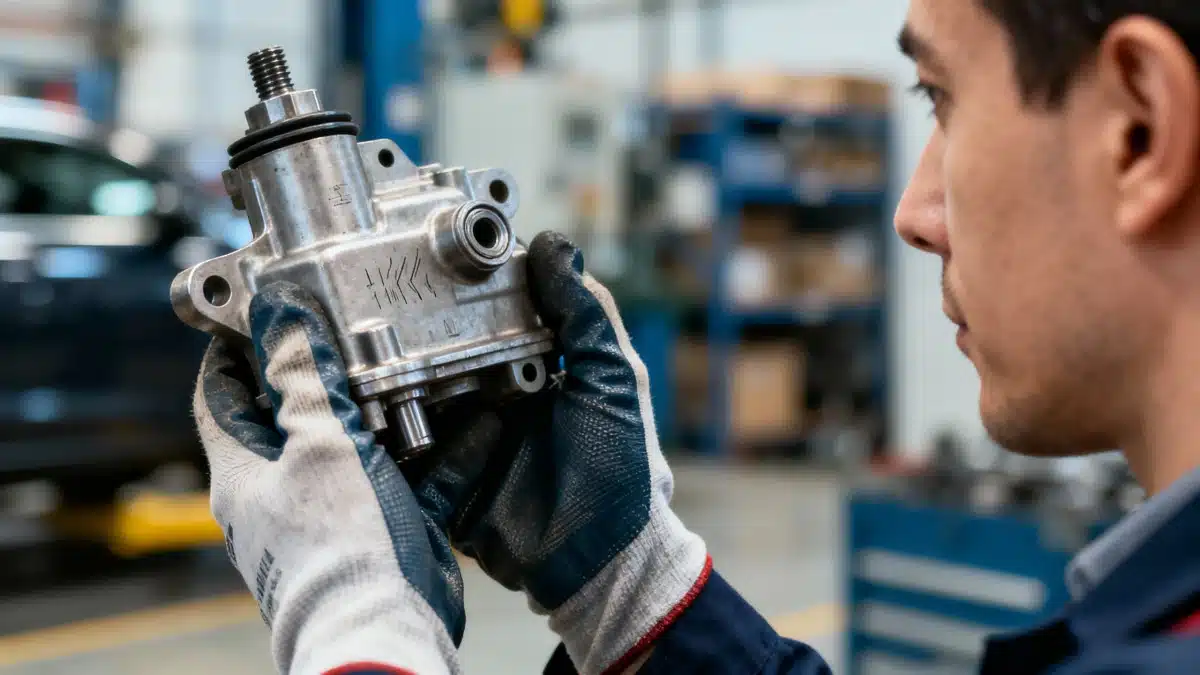
A number of MG owners—MG being the most established Chinese brand in many Western markets—have complained about excruciating wait times for car repairs, whether it’s after a breakdown or a fender-bender. The culprit? Spare parts are all too often unavailable. The all-electric MG4 appears especially prone to this issue.
To prevent these headaches, China’s Ministry of Commerce is raising the bar for makers looking to export zero-emission models. Starting January 1, 2026, local automakers must have an official export license before they ship EVs out of China—a requirement that, until now, only applied to gasoline or hybrid vehicles.
The New Rules: No More Unofficial Exports
Under the new regulation, only the manufacturers themselves or their approved partners will be eligible to apply for export licenses. What’s the goal here? To stop unauthorized exporters from sending (sometimes even used) electric cars to Europe or elsewhere without setting up any kind of after-sales support. This won’t solve all the problems from the start—MG, for instance, isn’t really covered by this case—but the new system should at least spare buyers a few nasty surprises by requiring brands to guarantee official servicing for consumers during the two-year legal warranty period, and to improve the availability of spare parts.
Sure, many Chinese firms have opted to offer extended warranties to give their customers peace of mind. But they’re still struggling to avoid painfully long downtimes when repairs are needed. Then again, it’s not like Western brands are immune—Renault, Peugeot, and Citroën owners have also shared their own horror stories on our reliability surveys.
Export License: Raising the Bar for EVs
The new license isn’t just about paperwork: its aim is to boost the quality and consistency of Chinese electric vehicles shipped abroad. It’s also a way to head off a race to the bottom in pricing between non-authorized exporters and state-backed manufacturers, which could leave official brands unprofitable—or even bankrupt. Admittedly, this might sound a touch idealistic, considering how many different car brands currently operate in China. Something has to give, and soon.
Still, the move could help prevent the “local champions”—the strongest brands, like BYD—from being undermined. BYD, a real heavyweight in the EV field, is about to make massive investments in Europe: a new plant is opening in Hungary, and another is just next door in Turkey. To justify those eye-watering sums, BYD’s sales simply have to take off. This definitely isn’t the moment to saddle them with unfair competition—especially if it would damage the standing of all Chinese-made vehicles.
On the track or online thanks to simracing, my passion for cars often runs deep. So what could be better than sharing it through journalism, exploring every angle of this incredible invention, and trying to help readers into the bargain?