Show summary Hide summary
When Your Orchid Only Grows Leaves and Roots
Sometimes it’s the little things in your orchid’s daily care that hold it back from flowering. I used to think I was doing everything right—but it was shoved in a dark corner with barely any daylight. Lack of light, as it turns out, is often the biggest culprit. Without enough sunlight, photosynthesis simply doesn’t do its job, and the flowers never show up.
Climate and Feeding Matter More Than You Think
Room temperature also plays a part. Orchids prefer a stable, mild environment. If the room gets too cold at night or overheats during the day, blooming can come to a screeching halt. And yes, I admit: there was a period when I forgot to fertilize, which eventually sapped the plant’s strength.
Anglo-Saxon burial reveals “unprecedented” secrets: experts stunned by 1,400-year-old grave mysteries
What Your Instinctive Tree Choice Reveals About Your Personality—Experts Explain
Simple Changes Made All the Difference
Once I figured out what was missing, it was surprisingly easy to turn things around. The first step: watering. Orchids do not like to sit with their roots in water. I began watering just once a week and always let the pot drain well before putting it back. Another key factor was light. Moving the plant to a bright southwest-facing window with a sheer curtain blocking direct sun made all the difference—suddenly things started happening!
Room temperature was adjusted too—never below 59°F (15°C) and not positioned right next to a heater. To top it off, I started using a special orchid fertilizer about every other week during the growing season. The results were visible after just a few months.
The Surprisingly Important Pot and Root Health
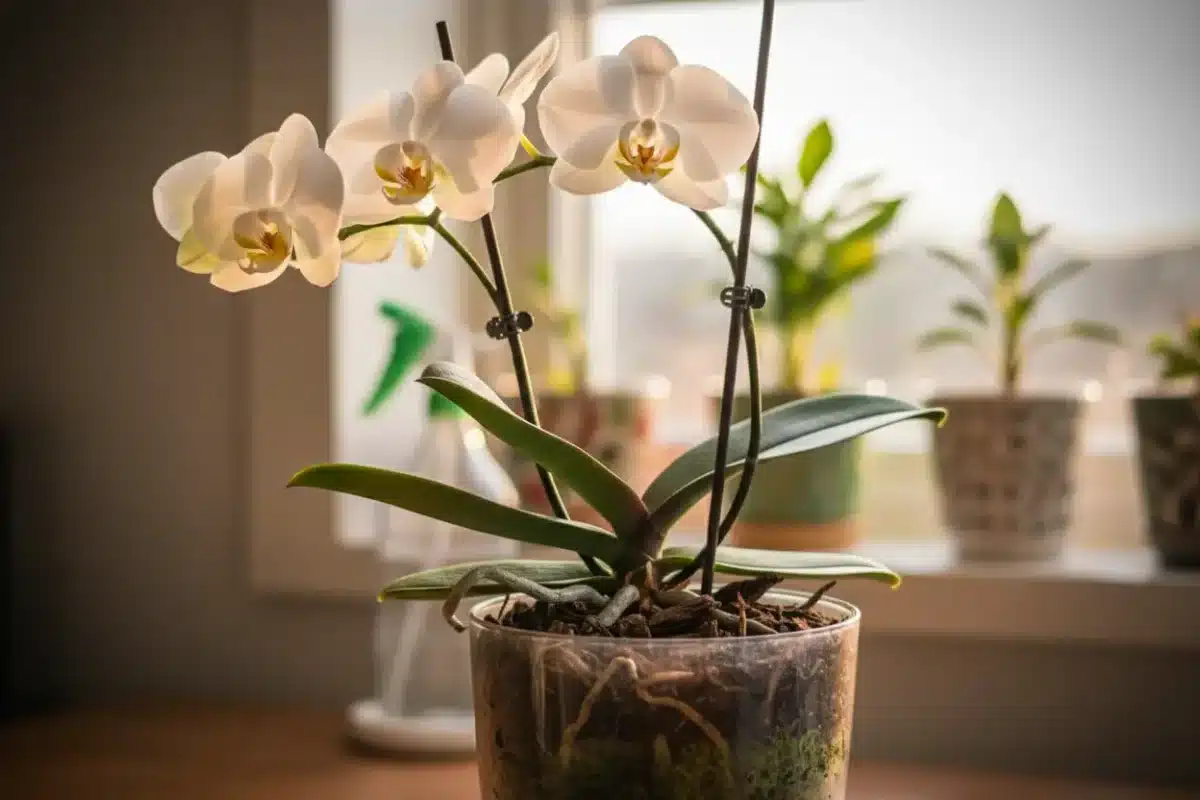
I never really thought about the type of pot my orchid was in—until a gardening friend recommended clear pots. It suddenly became much easier to keep tabs on root health. Green roots mean all is well, while grayish-white ones tell you it’s time for water.
And here’s a fun fact: orchid roots actually absorb light, which helps both growth and blooming. It might sound odd, but in tropical regions, many orchid species cling to trees with their roots exposed to daylight—they’re designed that way.
If you give your plant what it needs—light, the right temperature, proper watering, and a bit of fertilizer—blooming can return, even after many months. I know, because it happened at my house. The first flower to pop open again after a long break was worth every minute of waiting.