
Show summary Hide summary
When a Reservation Isn’t Enough
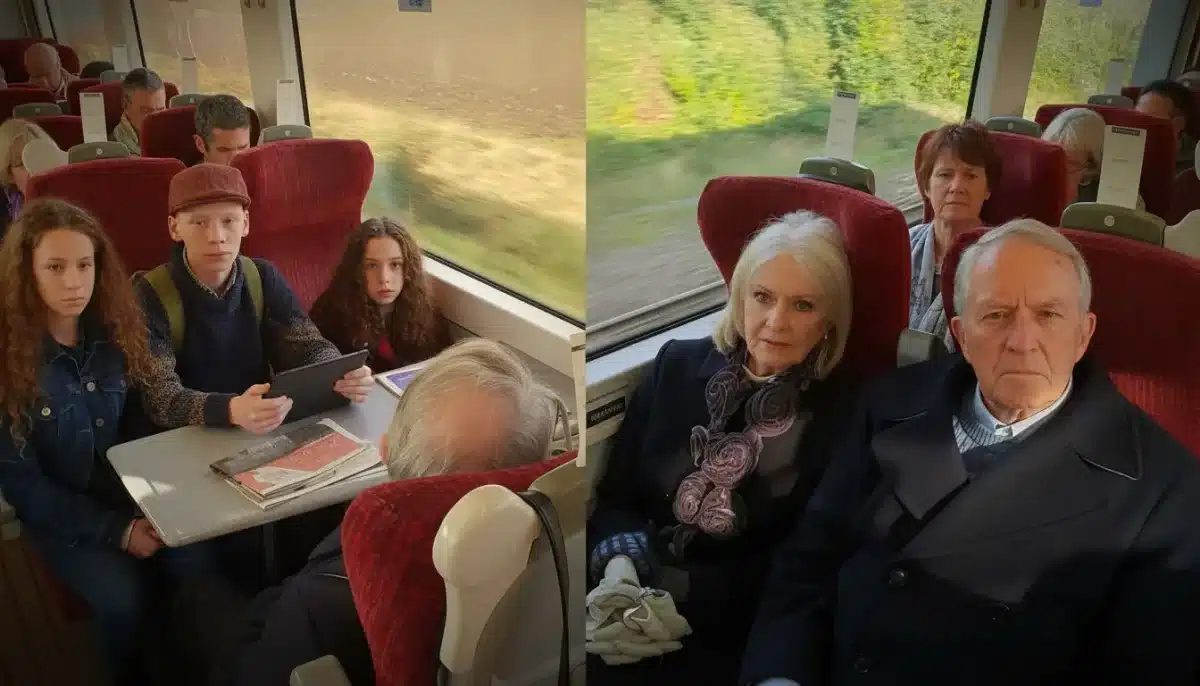
Traveling by train with kids is rarely a walk in the park, so 37-year-old Amanda came prepared on her journey across England with her three children. She had made sure to book four specific seats for the whole family, hoping to avoid any last-minute musical chairs in a crowded carriage. But as soon as she boarded, her plans started going off the rails: two older passengers were already comfortably settled in two of her reserved spots.
Resolving not to make a scene, Amanda politely asked the elderly couple to move from the seats she’d rightfully reserved. Instead of apologizing and making way, they responded—with more disdain than decorum—that reservations don’t matter. Apparently, in their book, seat assignments are just a mild suggestion. Faced with this stonewalling, Amanda had no choice but to seat her children in the two remaining reserved spots across the aisle.
Anglo-Saxon burial reveals “unprecedented” secrets: experts stunned by 1,400-year-old grave mysteries
What Your Instinctive Tree Choice Reveals About Your Personality—Experts Explain
An Unexpected Solution and a Viral Storm
Refusing to just let it slide, Amanda decided to inform the train manager about what had happened. To the staff’s credit, they quickly offered a solution: Amanda and her kids were upgraded to first class, which did help, if only for a little while. But as anyone who’s dealt with passive-aggressive travel behaviour knows, the frustration lingers long after you’ve changed carriages.
So Amanda turned to Twitter (now X), determined to share her story and spark a wider conversation about basic respect on public transport. Her post—and its underlying sense of ‘enough is enough’—struck a nerve.
“I’m always ready to give up my seat to someone who genuinely needs it. But ignoring my right to a reserved seat is unacceptable,”
wrote Amanda in her tweet. The message quickly went viral, amassing over 17,000 likes and unleashing an outpouring of indignation from fellow travelers.
Passive Rudeness—or a New Norm?
Amanda went on to stress that she would have understood if the couple had given her a valid reason, such as a health problem. But their arrogant attitude and categorical refusal were simply unfathomable. According to Amanda, this type of so-called ‘passive rudeness’ on trains might actually be far more common than people realise—and she hopes her viral experience will encourage rail companies to get stricter about enforcing reserved seating policies.
Why Courtesy Still Matters
This story throws a spotlight on a frustrating reality for many travelers: Sometimes, no matter how organized you are, someone else’s disregard for the rules can derail your journey (pun intended). Amanda’s account is a timely reminder that courtesy and mutual respect are still absolutely essential for making travel enjoyable for everyone—whether you’re heading into London for a meeting or off on a family adventure.