Show summary Hide summary
From household heroes to environmental villains?
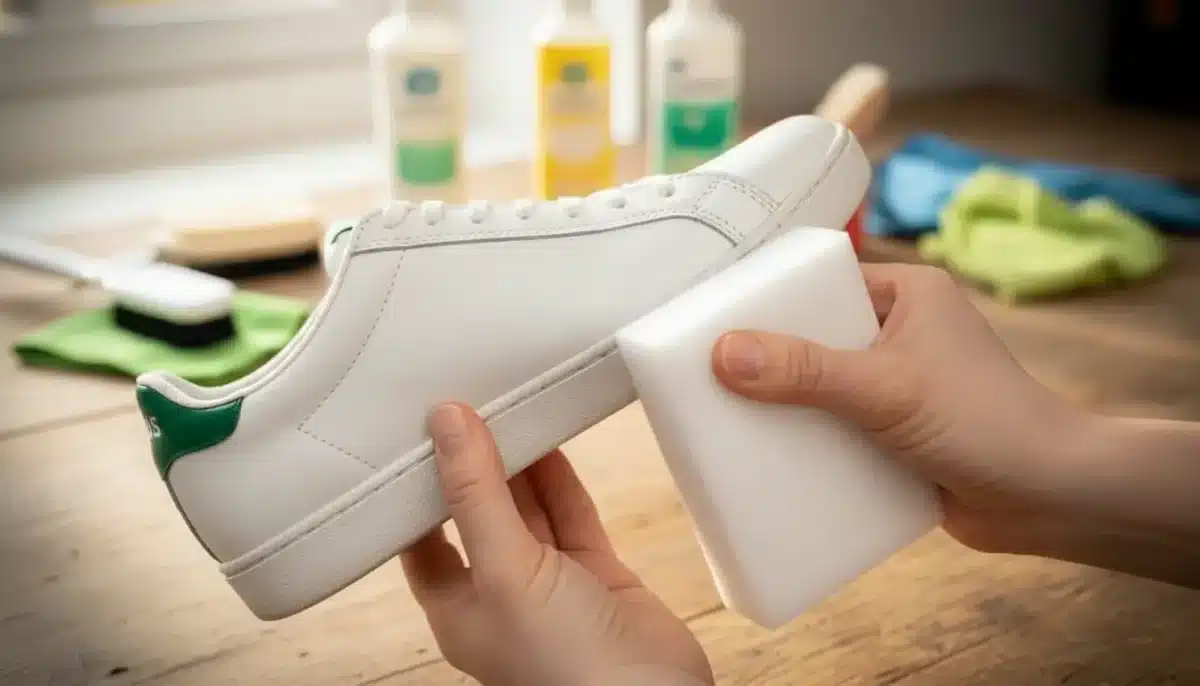
Magic sponges, sometimes called eraser sponges, have long been marketed as the ultimate effortless cleaning tool. Made from Basotect, a brand name for melamine foam, their claim to fame is their abrasive texture—just add a little elbow grease, and even the toughest spots on walls, kitchens, or bathrooms vanish. It’s no wonder they’ve become an essential item in homes across the US, UK, Australia, and beyond. However, recent revelations from scientists at Nanjing University in China suggest that these sponges may come with a hefty hidden price tag.
The hidden cost: microplastics unleashed
In a study published in the journal Environmental Science & Technology, the researchers exposed the secret downside of magic sponges: the release of microplastics during everyday use. Although melamine foam is often used for things like soundproofing, its structure breaks down as we clean, creating microscopic plastic particles. These fragments are tiny enough to slip right through sewage treatment filters and escape into nature’s waterways. Whether it’s the local river, a nearby lake, or the vast ocean, these microplastics do not stay put—they are increasingly showing up in aquatic wildlife, including fish and marine mammals.
Anglo-Saxon burial reveals “unprecedented” secrets: experts stunned by 1,400-year-old grave mysteries
What Your Instinctive Tree Choice Reveals About Your Personality—Experts Explain
And the problem doesn’t end there. The extremely small size of these particles means sewage treatment plants can’t catch them, so they’re discharged directly into the environment, fueling the ongoing crisis of microplastic pollution. The impact is two-fold: it’s dangerous not just for ecosystems and wildlife but ultimately for us humans, too.
On your plate—and in your body
Here’s where things get even less appetizing. As microplastics accumulate in fish and other aquatic organisms, they don’t just stay there; they creep up the food chain and wind up on our dinner plates. What started as a miracle scrub now poses a real threat to the food we eat. Scientific studies have discovered that these minuscule plastics can carry harmful chemicals, including toxic metals used in their manufacturing. These substances have been linked to hormonal disruptions and significant developmental issues for fetuses during pregnancy.
While a magic sponge costs just a couple of dollars at the store, the toll it takes on the environment and on our health is anything but cheap. Public health experts are growing increasingly concerned about the long-term impacts of microplastics and their cocktail of chemicals. According to the United Nations Environment Programme (UNEP), these pollutants can have serious repercussions for human health, particularly impacting women and developing babies—an alarming prospect by any measure.
Time for a cleaning rethink
It’s now more obvious than ever that the convenience of magic sponges simply doesn’t balance out the risks. Sure, they’re speedy tools for a spotless countertop, but the consequences for our planet—and our bodies—can linger far longer than any mess. The findings from Nanjing University serve as a wake-up call for all of us who’ve come to rely on these “miracle” sponges.
What was once seen as a miraculous product is now being recognized for its significant drawbacks. From microplastic pollution to health risks, it’s clear that the cost of using these sponges is much higher than we ever imagined.
With leading experts urging action, now might be the perfect time to reconsider our cleaning habits and search for alternatives that are safer for both the earth and ourselves. Clean doesn’t have to come at the cost of a dirty conscience—or a polluted plate.
Stay tuned for more on the latest tech and science. Whether you’re passionate about gadgets, artificial intelligence, cybersecurity, or the connected home, our team brings you in-depth analysis, honest product reviews, and clear guides so you can make smart decisions in today’s fast-moving digital world.