
Show summary Hide summary
Oosouji: The Ancient Art of Letting Go
Picture a ritual that’s over 400 years old, making its debut centuries before minimalism and the whole zen craze went mainstream. Oosouji, which literally means “big cleaning,” is rooted in deep Japanese tradition: at the end of each year, you cleanse your home not just of dust and clutter, but also the negative vibes that pile up over time. It’s not merely a quick tidy-up—it’s truly a ceremony for cleansing the home, where every object moved, every surface polished, lightens your mind and sets you up for a fresh start.
The Efficiency of Mindful Tidying
In our permanent rush of modern life, Oosouji resonates because it fuses efficiency with an inner quest for balance. Where our own attempts at organizing tend to wear us out, this method invites us to care for our living space in a short amount of time, but with full focus on what we’re doing. As winter approaches, and days grow shorter (not to mention we’re all spending more time at home!), the promise of a tidy house in just a few daily minutes starts to feel like the ultimate stress relief.
Anglo-Saxon burial reveals “unprecedented” secrets: experts stunned by 1,400-year-old grave mysteries
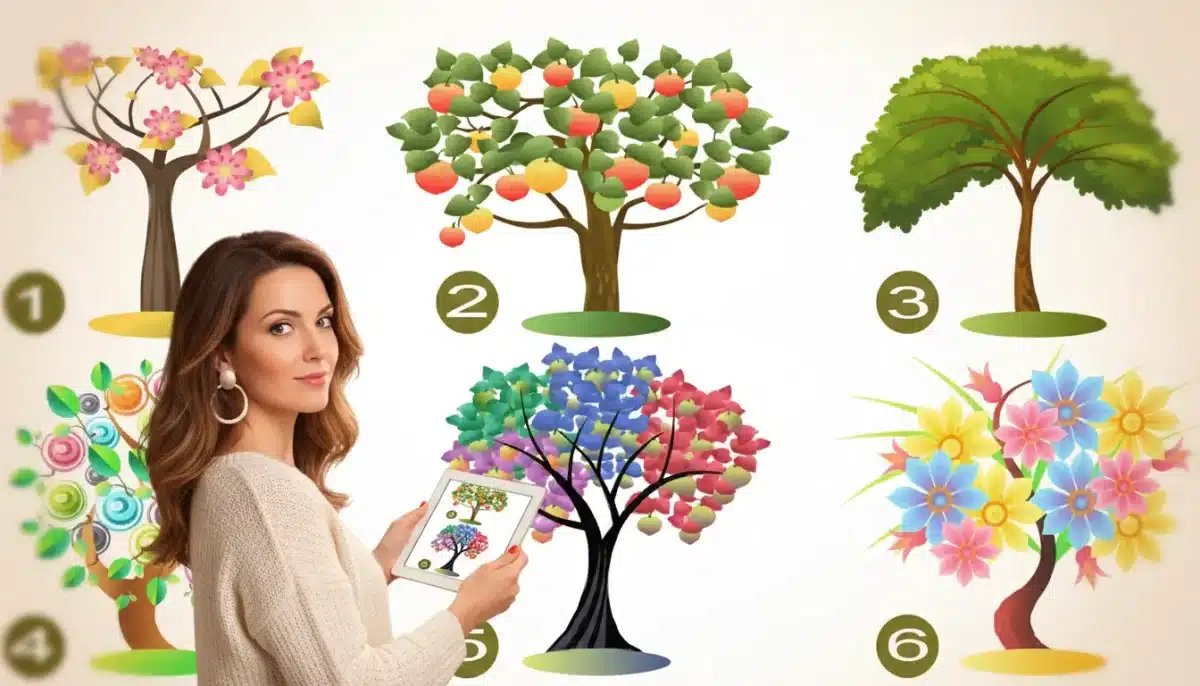
What Your Instinctive Tree Choice Reveals About Your Personality—Experts Explain
The heart of Oosouji? Never let disorder set in. Instead of pushing everything off until the weekend, the idea is to incorporate a mini daily ritual—brief, but effective. In just ten minutes, you’ll feel an immediate difference: energy flows again, your rooms can breathe. The real strength of this approach is the cumulative effect of small, well-chosen efforts, never falling into the trap of perfectionism or the never-ending chore. It’s an ideal mindset for the heart of autumn, as school starts back up and everything seems to slow for the season.
Ten Minutes to Change Your Space—and Your Mind
Here’s the secret: turn this ritual into a daily or weekly game, perhaps even a family affair. In ten minutes, an entire room can find a new face, and your spirit can feel lighter on the spot. Over the weeks, Oosouji becomes so much more than a well-organized home. As nature slows down in fall, this practice offers a gentle reconnection to yourself. There’s real calm when you walk through your front door, ready for evenings wrapped up at home, enjoying a hot chocolate or prepping the house for the festivities that come with winter. It’s not just about what you see: decluttering also clears out emotional baggage. You allow yourself to turn the page on the past, opening the way for renewal.
Oosouji and the Art of Contemporary Wellbeing
Embracing Oosouji means giving your family a living space that feels more fluid and harmonious, where everyone can easily find their belongings and energy flows freely. It’s also about adopting an anti-overload mindset—which, let’s be honest, is rather precious in this age of budgetary pressures and rising eco-awareness. The focus is on practical items, healthy materials, and the appreciation of linen, light wood, or cotton, which are especially in vogue this autumn from designers in Europe and beyond.
As winter nears, with new seasonal collections (like those from Maisons du Monde or Zara Home) emphasizing natural, warm, and streamlined atmospheres, Oosouji fits right in with this desire for “slow decor”: a home that’s beautiful and vibrant, but never overstuffed.
Behind the promise of a blitz clean-up, Oosouji actually invites us to care for our interiors, our minds, and our daily routines. As we long for more simplicity, wellbeing, and breathing room in our homes, this centuries-old Japanese ritual could very well become the ultimate ally for the colder months. And what if, this year, the true renewal began with ten minutes each evening—just before you light your candles and drink in the feeling of autumn?
Do you have a renovation, remodeling, or DIY project in mind? Not always easy to know whom to trust… At Pause Maison, we love to share our favorite finds: here’s our selection of reliable professionals—tested, recommended, or simply appreciated for their know-how.