Show summary Hide summary
Chicken and Microwaves: Not Always a Match Made in Heaven
Let’s start with a fridge classic: leftover roast chicken. On paper, nothing could be more innocent. But if your chicken still looks a little pink and you’re hoping the microwave will finish the cooking job… think again. This method heats unevenly, leaving cold spots where bacteria—think notorious salmonella—can happily thrive. It’s far safer to opt for thorough, even heating in the oven or in a frying pan, especially when it comes to white meats.
Underestimated Risks: Potatoes, Eggs, Rice, and Mushrooms
Another ingredient that seems harmless: the humble potato. Naturally rich in starch, potatoes don’t cope well with drastic temperature changes. Once cooled and then poorly reheated, they can become harder to digest or even toxic. Rather than tempting fate, turn them into a salad at room temperature, with a drizzle of olive oil and some fresh herbs. It’s simple, rustic, and most importantly, risk-free.
Anglo-Saxon burial reveals “unprecedented” secrets: experts stunned by 1,400-year-old grave mysteries
What Your Instinctive Tree Choice Reveals About Your Personality—Experts Explain
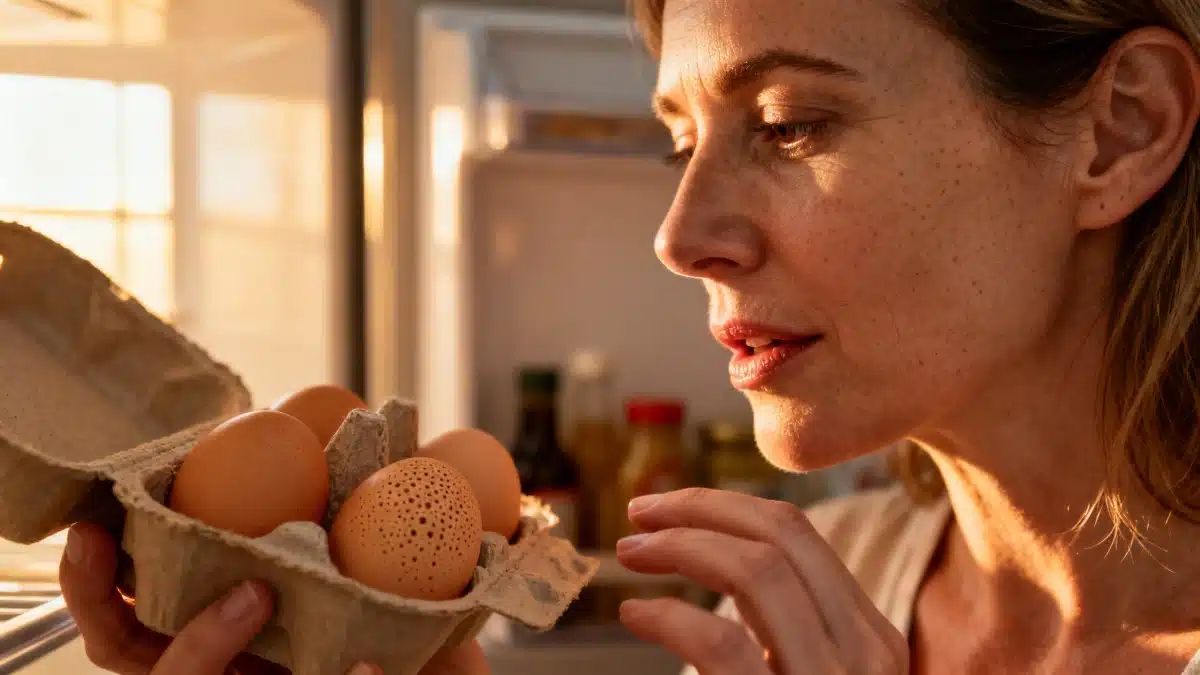
What about eggs—especially hard-boiled ones? In a word: explosion. Literally. Sealed in their shells, eggs heated in the microwave can swell up and burst if pierced afterward. This phenomenon, described in a study published in Science Daily, causes a bang rivals the sound of a jet taking off… and can cause severe burns if you’re too close. This hassle is easily avoided by enjoying your eggs cold, maybe sliced into a mixed salad.
Let’s talk rice. A staple of takeout meals, rice hides an unsuspected danger. If it’s not cooled down properly or has been left at room temperature for too long, it can develop a nasty bacterium called Bacillus cereus. The results? Bloating, digestive troubles, even food poisoning. The trick: cool rice quickly after cooking and pop it straight into the refrigerator.
As for mushrooms, we adore them sautéed or in creamy sauces… but watch out for their freshness. Once cooked, don’t let them hang around for more than two days. When reheated, they lose a bit of their flavor and can become tougher to digest. If you have too many, it’s better to freeze them quickly or toss them into a quiche the very next day.
How to Safely Handle Leftovers
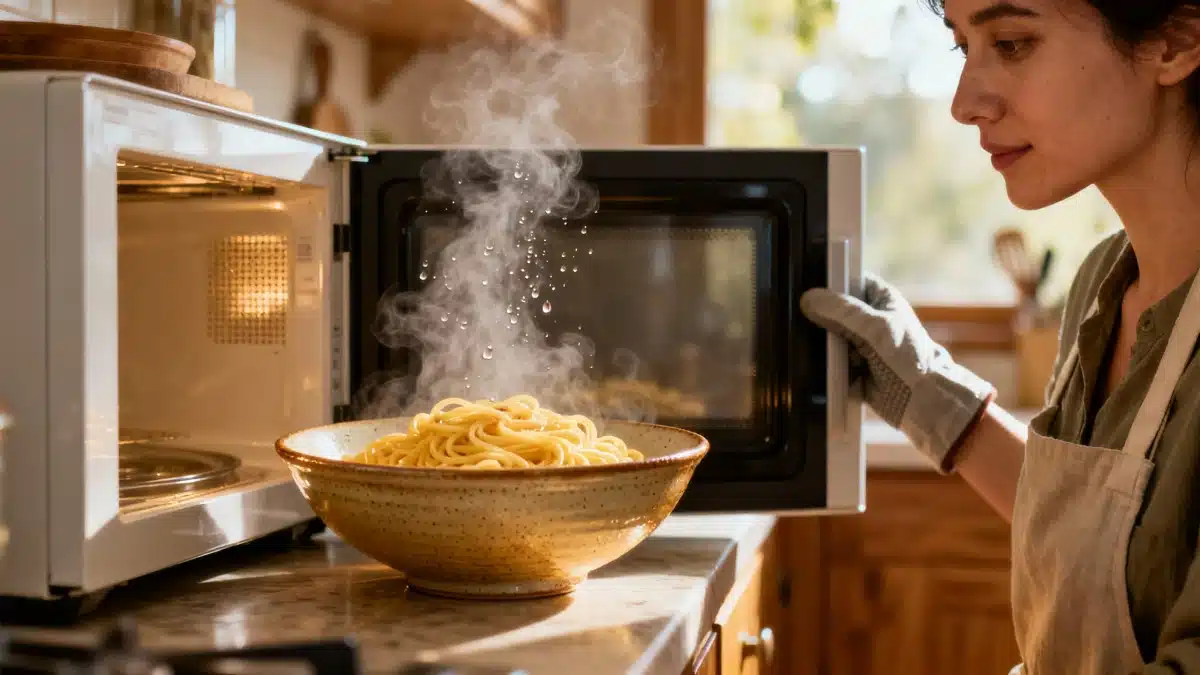
You can never say this enough: food safety is all about the cold chain. Any hot food should be cooled quickly (within two hours of cooking), then stored in the fridge at 39°F (4°C) maximum. And when it’s time to reheat, it’s best to stir halfway through or divide food into portions so the heat spreads evenly.
Sometimes Cold Is Best
And sometimes, the best option… is not to reheat at all. Some dishes are just as delicious served cold: a chilled lentil curry with a squeeze of lemon, a vegetable tart at room temperature, or a sautéed quinoa turned into a salad.
Preserving your meals’ flavor and safety doesn’t take much extra effort—just a bit of awareness. Cooking is all about pleasure, but eating well also means listening to yourself. So before slipping that container into the microwave, ask yourself: is this food ready to take the heat—or would it be better to give it another chance?
Web writer specializing in cooking, Mathilde shares accessible recipes, practical tips, and creative ideas to inspire all lovers of good food. Passionate about her subject, she celebrates the joy of cooking and sharing.