
Show summary Hide summary
Not Your Average Trash Bag
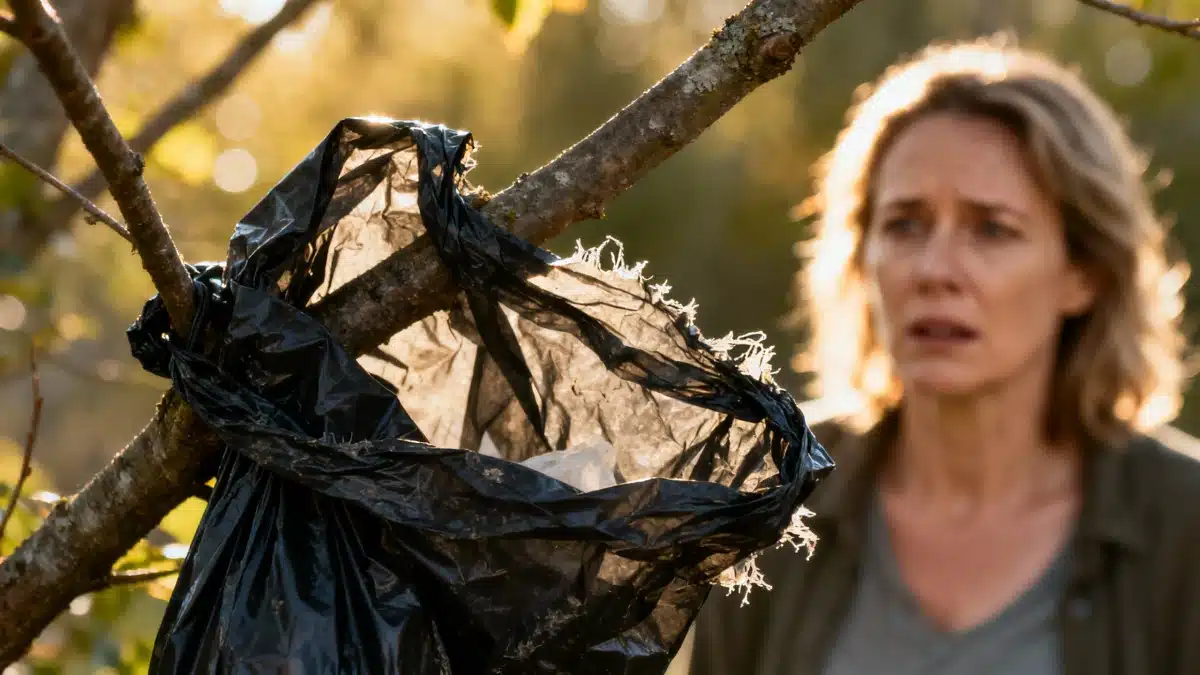
These black bags aren’t just tossed up at random. They’re eco-friendly traps, specifically designed and carefully positioned to manage the spread of processionary caterpillars—creatures notorious for damaging trees and posing a genuine health risk to humans. I’ve actually seen these bags myself multiple times and always assumed someone had been too lazy to take their rubbish with them, but it turns out they’re deliberately set up to address this particular pest.
The Menace of the Processionary Caterpillar
Why are these caterpillars such a problem? Well, they get their name from their peculiar habit of marching along in long rows, almost like a parade. But don’t be fooled by their choreography—they’re covered in toxic hairs. Those hairs float on the breeze and can cause anything from itchy skin and rashes to severe allergic reactions and breathing difficulties in both humans and animals. Not exactly the kind of parade you want to join.
Anglo-Saxon burial reveals “unprecedented” secrets: experts stunned by 1,400-year-old grave mysteries
What Your Instinctive Tree Choice Reveals About Your Personality—Experts Explain
How the Bags Actually Work
The traps function by guiding the caterpillars down into the bags when they try to leave the tree and head into the soil to pupate. Once inside, the caterpillars find themselves stuck in a dark, warm environment where they dry out—all without the use of any chemicals. It’s an environmentally friendly way to protect our trees and surroundings.
Even though the bags themselves aren’t harmful, you really need to be aware that the caterpillars they catch most definitely are.
I remember an incident in my neighborhood when a child suffered a severe allergic reaction simply by being near a tree where these caterpillars were present.
Symptoms like irritated skin, itching, and even breathing difficulties can kick in with just a little contact with those hairs—whether directly or through the air.
To keep these traps effective and steady, they’re often filled with sand or other heavy material. This stops them from flapping in the wind and, importantly, reduces the risk of those pesky caterpillar hairs getting blown even further afield.
A Growing European Issue
Processionary caterpillars are becoming an increasing headache in several European countries, especially during warmer summers. The trees often become shrouded in white silk nests that look eerily like giant cobwebs, and the caterpillars move together in large groups—usually at midday when they’re most active.
Some cities, like Cologne in Germany, have had to introduce extensive measures, including using special vehicles to spray biological agents along highways and in parks. These actions are necessary to stop the caterpillars from spreading to new areas and to safeguard both nature and public health.
While those black bags might look unusual, or even out of place, in the landscape, they actually play a vital part in keeping a commonly overlooked threat at bay. They’re part of a sustainable strategy to protect trees, people, and animals from these harmful pests—entirely without resorting to dangerous chemicals.
Next time you spot one of these bags hanging in a tree, it’s best to keep your distance—not because the bag itself is dangerous, but because it’s defending you from something that truly is. Nature has its fair share of challenges, but luckily there are clever solutions like this one to help us out.