Show summary Hide summary
Handwriting: A 5,000-Year-Old Superpower Under Threat
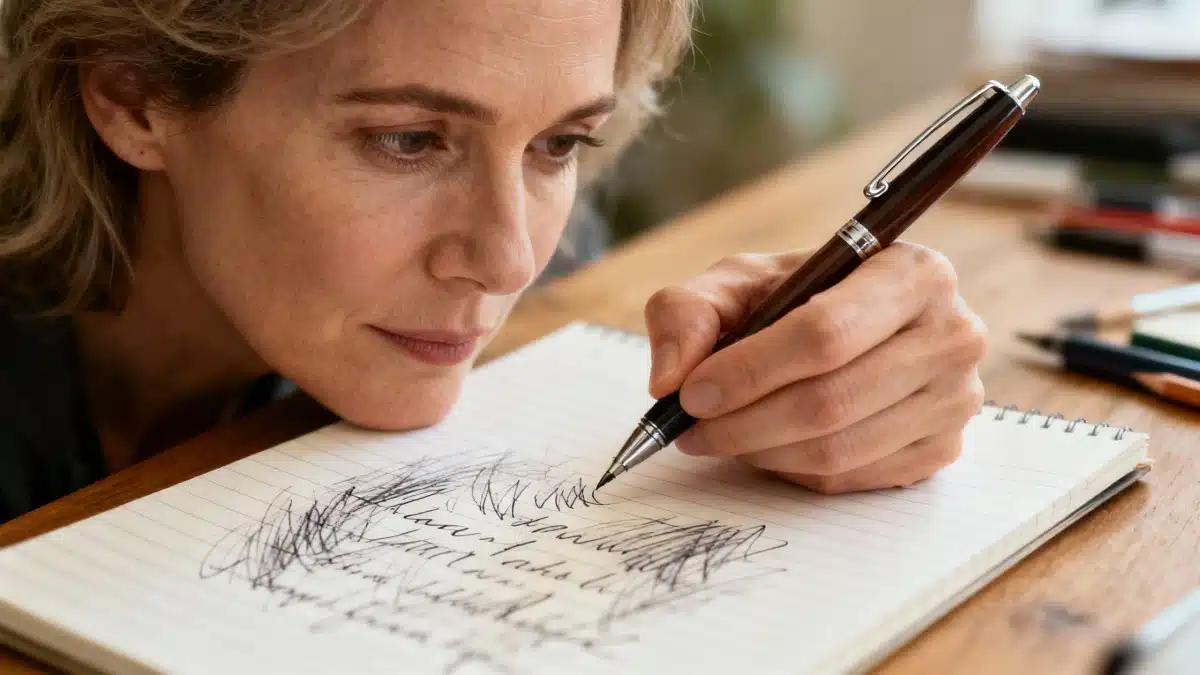
For over five millennia, handwriting has done a lot more than record shopping lists and birthday reminders. From the first clay tablets in ancient Mesopotamia to the swirling cursive letters of your grandparents (the ones you pretended to read), the way we write by hand has been a deeply personal, cognitively rich activity that’s shaped history and culture.
But in today’s digital-first world, many Gen Zers—those born between the late 1990s and early 2010s—just don’t pick up a pen unless absolutely necessary. A study from the University of Stavanger found that 40% of Gen Z participants consider handwriting difficult—a sharp contrast from just a generation ago. The usual suspects? Smartphones, tablets, and messaging apps, all favoring speed and brevity over depth and nuance.
Anglo-Saxon burial reveals “unprecedented” secrets: experts stunned by 1,400-year-old grave mysteries
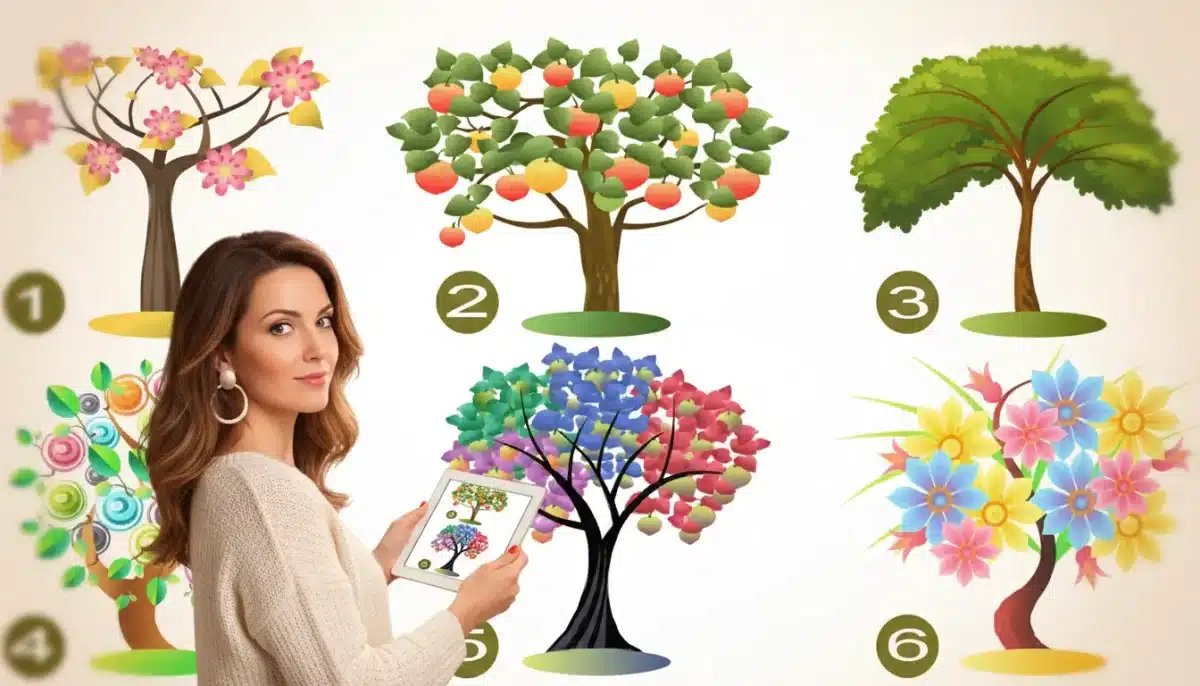
What Your Instinctive Tree Choice Reveals About Your Personality—Experts Explain
Screens May Boost Speed, But at What Cost?
Let’s face it, typing is quick, efficient, and fits right into the fast-paced lifestyle that so many of us have grown used to. Yet, something significant is lost in this rapid-fire communication. Professor Linda Andersson, a researcher at the National Institute of Education, puts it simply: digital communication often leads to short, superficial exchanges, sometimes at the expense of clarity and emotional subtlety.
For 20-year-old Emily, a college student balancing assignments and part-time work, handwriting feels almost alien. “It’s like I’ve forgotten how,” she confesses. “My brain moves faster when I type, but when I try to write on paper, I lose track of my thoughts.”
Emily’s struggle isn’t rare—it’s part of a broader trend with both educational and emotional consequences.
The Science (and Soul) of Handwriting
Before you start feeling nostalgic for nothing, science is on the case. According to studies by the American Psychological Association, writing by hand activates different brain regions compared to typing. It enhances memory, comprehension, and concentration. Dr. Michael Thompson, a cognitive psychologist, explains that handwriting involves using fine motor skills and critical thinking in unique and beneficial ways that typing just can’t reproduce.
There’s a creative upside, too. Many people find that handwriting helps organize ideas, sharpen thinking, and create a more intimate connection with their own thoughts. Whether it’s jotting lyrics in a notebook or scribbling through a trickier algebra problem, the tactile act of writing fosters deeper engagement with whatever you’re working on.
And losing touch with handwriting isn’t just about saying goodbye to charming traditions. There are real-life consequences. From writing thoughtful thank-you notes to handwritten exams or annotations, being able to write clearly and comfortably remains important. Dr. Anna Martinez, a global communication specialist, warns that Gen Z’s struggle with handwriting could harm their effectiveness in environments where well-rounded communication skills matter.
There’s also an emotional layer here. No emoji can replace the sentiment of a handwritten birthday card or the comfort of a note left on the kitchen table. These small, tactile gestures create moments of connection that are hard to match with text messages or voice notes, no matter how many animated stickers you use.
Finding Balance: Old Skills Meet New Tech
So—what’s the solution? No one is calling for mass keyboard burnings or abandoning the perks of digital life. It’s about balance. Teachers and parents are in a unique position to help here.
High school teacher Rachel Green has seen real benefits by reintroducing handwriting into her students’ daily routines. “It’s not about resisting change,” she says. “It’s about giving students more tools to express themselves.”
In her classroom, students switch between typing assignments and keeping handwritten journals. The goal? Build flexibility and fluency in every form of expression the modern world demands.
At its essence, handwriting is more than just a practical skill—it’s a chance to slow down, reflect, and truly connect with people. In a world hurtling forward with new tech, the thoughtful, hands-on nature of pen-and-paper writing still has a place. Maybe even a precious one.
For Gen Z, rediscovering this ability could bring not only academic and professional benefits, but a more nuanced, personal way to communicate. For everyone else, it’s a gentle reminder that even as technology races ahead, some of our best tools are the ones we’ve had for ages—the humble pen and a blank page.
As we look to the future, the question isn’t whether we must choose between screens or pens, but how we teach the next generation to move confidently between both, using the strengths of each to communicate with purpose and clarity.
Stay ahead of the curve with Glass Almanac—your go-to source for the latest in tech, science, and entertainment news. From augmented reality breakthroughs to the newest binge-worthy shows, we connect innovation and daily life so you never miss a beat.