Show summary Hide summary
Why the Homemade Dog Food Trend Has Taken Off
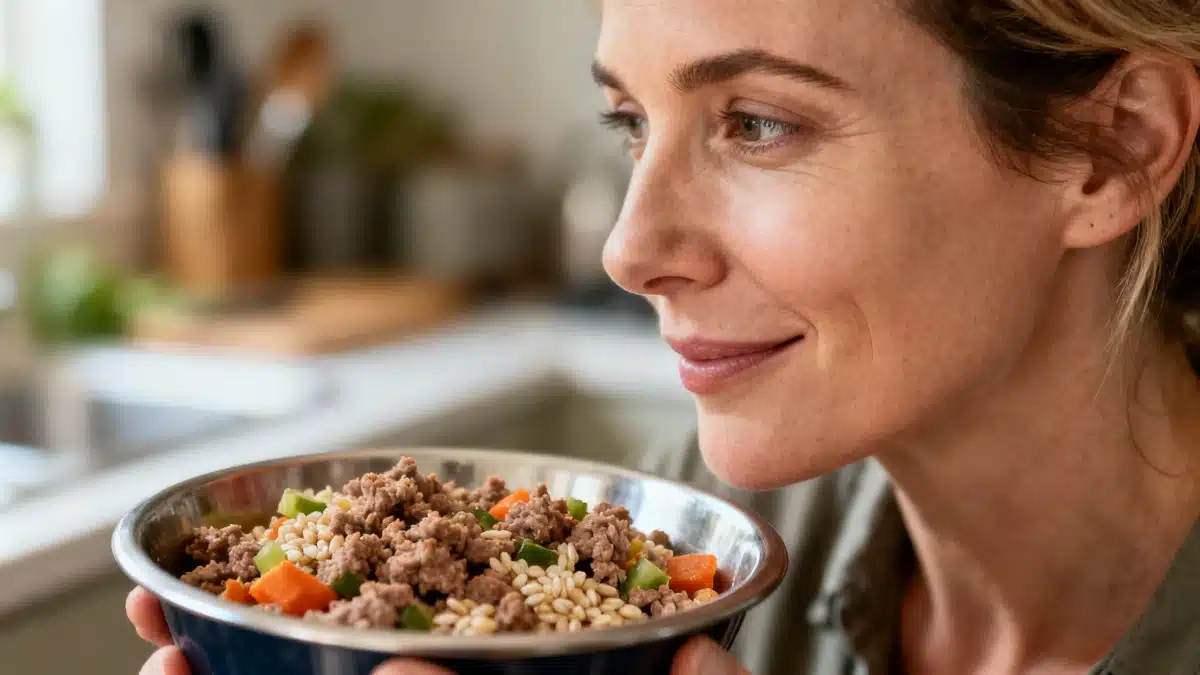
It’s easy to see the appeal. Spending a little extra time in the kitchen, prepping a special meal for your dog, can feel like the ultimate act of love. I’m guilty of it myself with my terrier mix, Sprout—even his name sounds like it belongs on a farm-to-table menu! But lately, insights from the veterinary world have me thinking twice before grabbing another sweet potato or chicken breast for his dinner.
According to a veterinarian interviewed by Buzzfeed (who preferred to remain anonymous—mysterious, but credible!), those home-cooked meals, as lovingly prepared as they may be, often fall short of providing the balanced nutrition dogs really need. Unlike us humans, who can get away with a wildly varied diet, our canine companions have precise dietary requirements. Meeting those at home? Not as easy as it looks.
Anglo-Saxon burial reveals “unprecedented” secrets: experts stunned by 1,400-year-old grave mysteries
What Your Instinctive Tree Choice Reveals About Your Personality—Experts Explain
The Problem with Homemade Meals: Nutritional Imbalances
Here’s where the well-intentioned plan can go sideways: nutritional imbalances. A pet owner’s best efforts might still lead to meals that lack vital vitamins and minerals, setting the stage for all kinds of health issues.
As the veterinarian pointed out, “As an animal health professional, I’ve seen cases where well-intentioned owners accidentally made their dogs ill by feeding them improperly. Unbalanced diets can lead to nutritional deficiencies, gastrointestinal disorders, and even more severe issues such as bladder stones.”
That’s not exactly the outcome we hope for when we’re donning an apron on our dog’s behalf. And to make things trickier, dogs’ nutritional needs can shift quite a bit based on their age, size, breed, and any health conditions. What fuels a young, energetic border collie could be all wrong for a senior pug with medical concerns. And if you think sticking to a “classic” like chicken and sweet potatoes is foolproof, think again—such a diet may still fall short in key nutrients and eventually cause health problems.
Safe Ingredients vs. Harmful Foods
If you’re determined to keep your dog’s mealtime interesting, variety matters—but so does safety. Some foods that are perfectly fine for us can spell disaster for dogs. The American Kennel Club, that trusted authority on all things canine, highlights the following foods as toxic for dogs:
- Chocolate
- Grapes
- Onions
So, before you let your pup sample your leftovers or introduce new ingredients into their bowl, it’s crucial to know what’s safe and what’s a no-go. And if in doubt? Your veterinarian is just a phone call away.
Consult the Experts—Your Dog Will Thank You!
As much as it might feel like a home-cooked dinner is the ultimate gesture of affection, your best move is to partner with a vet when planning your dog’s diet. They’ll help you craft a feeding routine that meets every nutritional need, keeping your furry friend both happy and healthy. At the end of the day, you want those tail wags (and enthusiastic dinner dances) to last for as many years as possible.