Show summary Hide summary
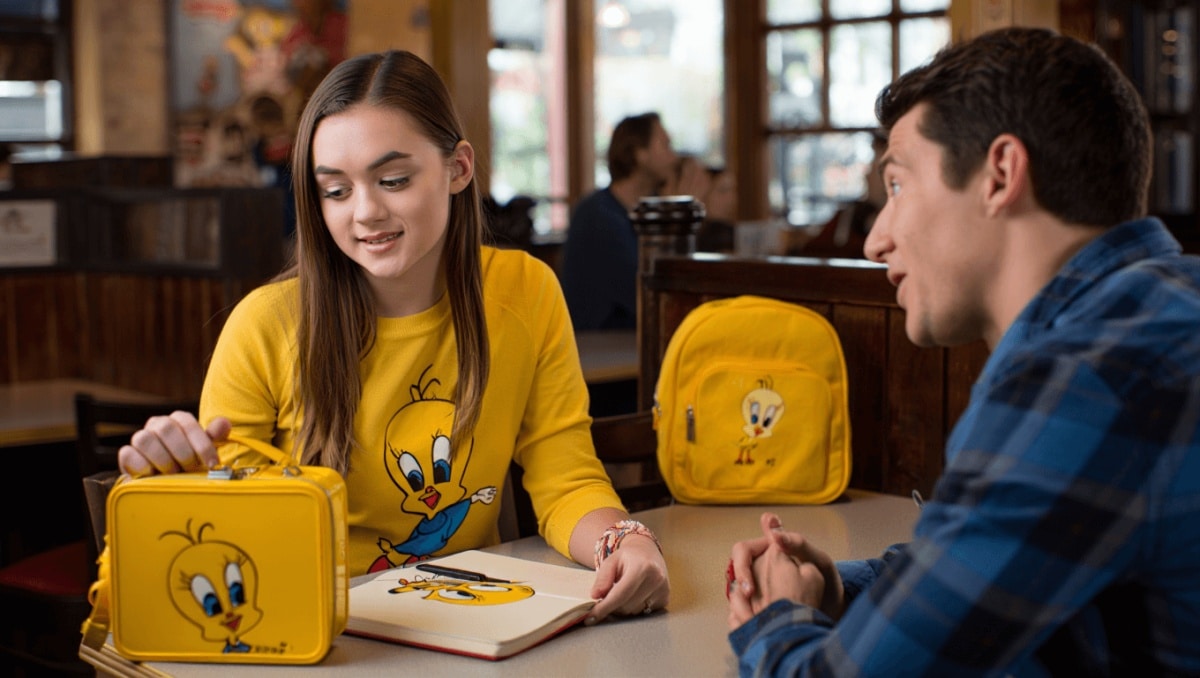
A viral TikTok clip asking where the girls who once dressed head-to-toe in Tweety Bird went has reignited a wave of nostalgia. The short post sent millennial users into the comments, trading memories of bedroom murals, lunchboxes and backpacks branded with the yellow Looney Tunes canary.
How one TikTok sparked a nostalgia conversation
A video posted in September 2025 by the creator @mansandalman posed a simple question: what happened to the women who centered their style and rooms around Tweety Bird? The clip drew hundreds of thousands of views and a fast flood of replies. The central mystery — why those fans seem less visible today — became a topic of debate on the platform.
Anglo-Saxon burial reveals “unprecedented” secrets: experts stunned by 1,400-year-old grave mysteries
What Your Instinctive Tree Choice Reveals About Your Personality—Experts Explain
In the short clip, the creator noted Tweety’s once-ubiquitous presence among girls in the late 1990s and early 2000s. He suggested a new generation of fans hadn’t emerged and even guessed, without evidence, that many had moved into nursing careers. That offhand claim only fueled responses.
Millennial fans answer back: memories and identities
Instead of disappearing, many original Tweety followers loudly identified themselves. Replies mixed humor, proof photos and personal updates. “Still here,” became a repeated refrain across comments.
- Users posted childhood photos and snapshots of Tweety-themed rooms.
- Many said they still cherish their vintage merch.
- Some shared current careers, from cosmetology to other professions.
- A common remark: the next generation favors Hello Kitty and other kawaii icons.
Several commenters noted age ranges, pointing out that many fans who were teenagers in 1998 are now in their 40s. Others joked about gendered cartoon allegiances, saying characters like Taz played a complementary role for boys.
Why Tweety Bird clicked with a generation
The Tweety craze wasn’t accidental. A mix of marketing, aesthetics and timing made the canary a Y2K staple.
Merch, media and millennial taste
- Retailers stocked licensed products everywhere in the late 1990s.
- Bright colors and cute design fit the era’s fashion and tween trends.
- Cartoon reruns and movie tie-ins kept the character visible.
Shifts in culture and retail that followed
- As teens aged, trends moved toward different brands and icons.
- Global kawaii culture exported Hello Kitty and similar characters.
- Fast fashion cycles and new media eroded older merchandising dominance.
These shifts help explain why Tweety’s peak look is less common today, even if many fans kept their affection privately.
Where Tweety fandom survives now
Nostalgia keeps the fandom alive in several pockets. Collectors and online communities preserve the icon, and platforms like TikTok surface retro content regularly.
- Vintage stores and marketplaces sell original apparel and bedroom items.
- Social feeds host “show-and-tell” videos of childhood collections.
- Fan groups trade restoration tips and memorabilia stories.
Occasional pop-culture revivals and retro drops also bring Looney Tunes back into view. Younger users sometimes discover Tweety as a retro aesthetic rather than a primary fandom.
What the debate reveals about memory and fandom
The exchange exposed more than a question about merch. It highlights how childhood symbols become part of personal identity. When someone asks, “Where did they go?” it can feel like a challenge to a whole shared history.
- Fans framed Tweety as a marker of adolescence and belonging.
- Others used the moment to compare generational iconography.
- Social media turned a small query into a collective flashback.
Identity and nostalgia often travel together. The TikTok thread shows how a single character can anchor memories across decades, even as tastes evolve and new characters take the spotlight.