
Show summary Hide summary
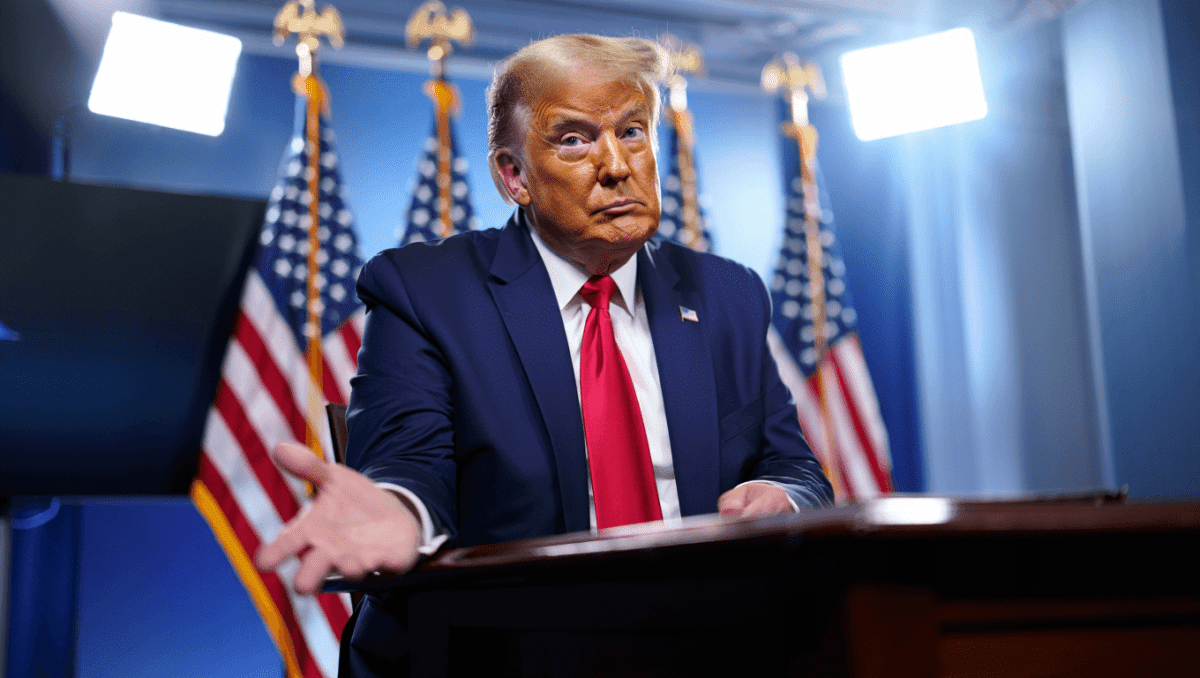
President Donald Trump pushed back this week against reports that he promised Americans $2,000 checks funded by tariff revenues, dismissing the idea in a terse reply that left allies and critics alike parsing what he meant. The exchange reignited debate over whether tariff receipts could finance direct payments to households and highlighted the confusion between campaign rhetoric, offhand remarks and formal policy commitments. Report by Anna Good — Jan. 14, 2026.
What Trump actually said and where the denial appeared
Trump publicly rejected the claim during a social media post and a short press exchange. He asked, “When did I do that?” and added that he had not made a firm promise to deliver $2,000 checks funded by tariffs.
Anglo-Saxon burial reveals “unprecedented” secrets: experts stunned by 1,400-year-old grave mysteries
What Your Instinctive Tree Choice Reveals About Your Personality—Experts Explain
His comments came after several conservative commentators and some supporters circulated the idea that tariff revenue could be redirected to direct payments for Americans. The president’s response was brief and noncommittal, leaving room for differing interpretations.
How lawmakers and advisers reacted
- Senators from both parties offered cautious statements, with some expressing skepticism that tariffs could sustainably fund widespread checks.
- Close White House advisers emphasized that no formal plan had been approved.
- Progressive activists criticized the denial and called for clarity on any future economic relief proposals.
How tariff-funded $2,000 checks would work
Proposals to use tariff receipts for direct payments rely on a simple premise: taxes collected at the border generate government revenue, which could be redirected to households. In practice, the mechanism is complex.
Key mechanics and hurdles
- Tariff revenue is unpredictable and tied to trade volumes.
- Budget rules may require legislative approval to reallocate funds.
- Long-term reliance on tariffs could affect import prices and inflation.
Experts caution that one-off checks paid from tariff income would need a steady revenue stream to be repeated. Lawmakers would face choices about whether to treat the payments as temporary relief or a recurring entitlement.
Economic and political implications
Using tariffs to fund direct payments mixes trade policy with social policy. That blending has consequences for markets and voters.
- Economic impact: Tariffs can raise consumer prices, offsetting benefits from a $2,000 check.
- Distributional questions: Tariff incidence often falls on consumers and importers, not producers alone.
- Political signaling: Promising large checks can energize supporters but risks backlash if promises are withdrawn.
Fact-checking the promise: evidence and public record
Investigators looked for formal commitments in speeches, transcripts and policy memos. So far, there is no clear, documented pledge by Trump to deliver $2,000 checks specifically funded by tariff receipts.
Some proponents point to casual statements and campaign messaging that suggested support for broad relief. Opponents highlight the lack of legislative text or budget directives to support the claim.
Voices on both sides
- Supporters argue that creative funding sources are needed to deliver fast relief.
- Critics warn that tapping tariffs for payouts could be short-sighted and inflationary.
- Independent economists urge caution and call for analyses on net effects before any commitment.
What to watch next
Key developments to monitor include Congressional proposals, White House briefings, and any new statements from the president clarifying intent. If lawmakers introduce bills tying tariff receipts to direct payments, the debate will move from rhetoric to legislation.
Additionally, analysts will track tariff receipts and trade flows to gauge the feasibility of sustained $2,000 disbursements without broader fiscal changes.
Questions voters are likely to ask
- Would such checks be one-time or recurring?
- How would tariffs affect prices for everyday goods?
- Who would qualify for payments, and how would eligibility be determined?
- Would Congress be required to approve the funding plan?