
Show summary Hide summary
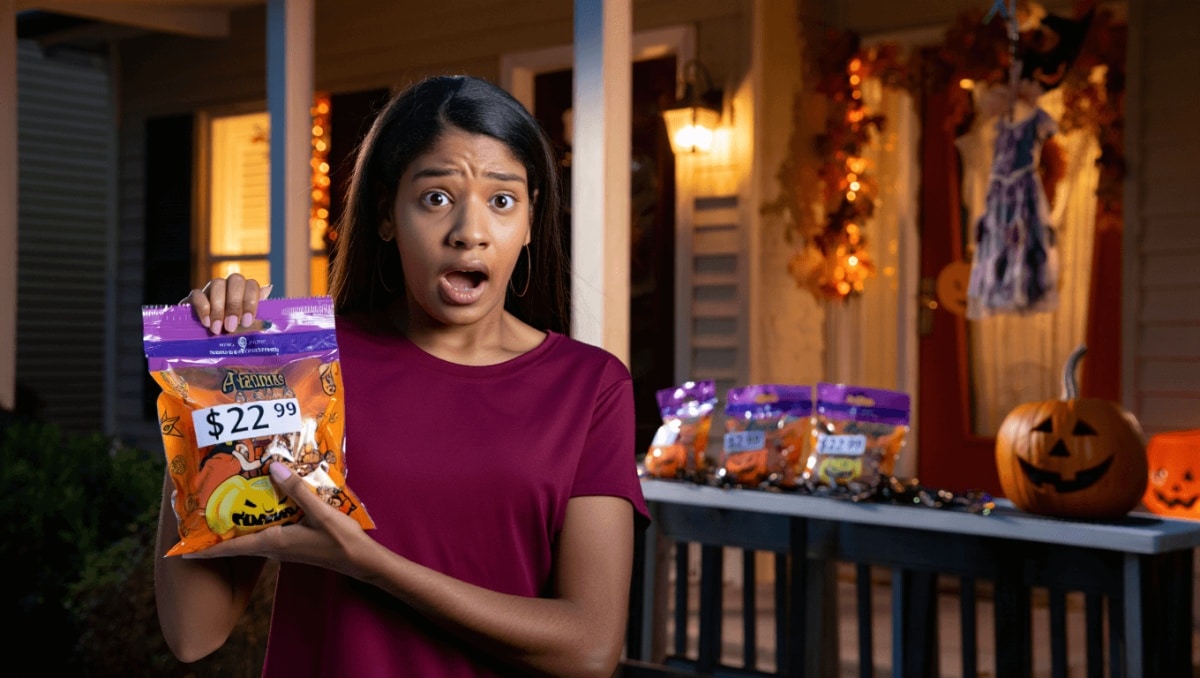
Halloween season has turned into a price debate after a TikTok user shared photos of prepackaged candy marked at nearly $20 to $25 a bag. The clip sparked a wave of online reaction and fresh questions about how much trick-or-treat traditions will cost families this year.
Viral clip ignites conversation about handing out treats
A short video posted by @jmarie1250 showed several bags of Halloween candy with price tags that many viewers called shocking. The creator added text to the footage to explain they planned to keep their porch light off this year rather than buy expensive sweets.
Anglo-Saxon burial reveals “unprecedented” secrets: experts stunned by 1,400-year-old grave mysteries
What Your Instinctive Tree Choice Reveals About Your Personality—Experts Explain
- Platform reaction: The post quickly drew likes and comments on TikTok and other social apps.
- Community split: Some users said they would cut purchases. Others defended spending for the joy of trick-or-treating.
- Alternatives suggested: People recommended buying larger value packs, switching to non-candy treats, or handing out smaller portions.
How candy prices climbed: key data and drivers
Price trackers show candy has climbed faster than many staples in recent years. The Consumer Price Index for candy and gum illustrates steady increases that many shoppers have noticed.
Numbers to watch
- Recent data cited a year-over-year jump of roughly 7.5% and an increase near 20% since 2021 for candy prices.
- That rise has been covered widely in national reporting and consumer guides.
Trade policy and supply impacts
Trade decisions altered import costs for a key ingredient: cocoa. New tariffs applied this year range from 10% to 25% on imported cocoa, with discussions of raising them further.
- Manufacturers warned tariffs could add substantial costs to production. One major chocolate maker estimated millions in potential tariff-related expenses.
- Canada and Mexico maintained more favorable terms, allowing some manufacturers there to produce at lower cost and export more to the U.S.
- Result: Canadian chocolate shipments to the U.S. rose in the first months after the tariff changes.
Shopper strategies: how families are responding
Faced with sticker shock at the store, households are shifting tactics. Some are trimming treat budgets. Others are pursuing bulk value or low-cost alternatives.
- Buying larger bags at warehouse stores to reduce the per-piece cost.
- Offering items like chips, cookies, or small toys that are individually packaged.
- Reducing portion sizes or handing out non-food prizes such as stickers.
Many parents noted that the annual experience of kids running door-to-door still feels worth the expense, while others said rising grocery prices have forced them to drop items from their usual shopping lists.
Social platforms amplify mixed feelings and practical tips
Comments across TikTok and X captured a range of responses. Some users sympathized with the decision to skip handing out candy entirely. Others posted practical tips to stretch a Halloween budget.
- Suggesting bulk retailers as a way to lower cost per unit.
- Recommending non-candy giveaways to avoid inflation on chocolates.
- Sharing local deals and promotions to help neighbors save.
Local context matters: Households that expect dozens of visitors feel the pinch more than those who hand out treats to a handful of children. The conversation online mixes humor, frustration, and real budgeting advice as families plan for the holiday.