Show summary Hide summary
- What the visitor found at Munich’s Oktoberfest
- Why the video went viral on TikTok
- How Americans reacted to the comparison
- Historical ties: Why Midwestern fairs and Oktoberfest share similarities
- Tourist expectations versus local perspectives
- What the footage reveals about travel and cultural myths
- Local reactions and the broader conversation online
A traveler from the United States flew to Munich expecting the full, cinematic Oktoberfest experience — only to post a tongue-in-cheek video saying the famous German festival felt more like an American county fair. The clip snowballed across TikTok, igniting debate over expectations, authenticity, and why some aspects of Oktoberfest seem oddly familiar to people from the U.S. heartland.
What the visitor found at Munich’s Oktoberfest
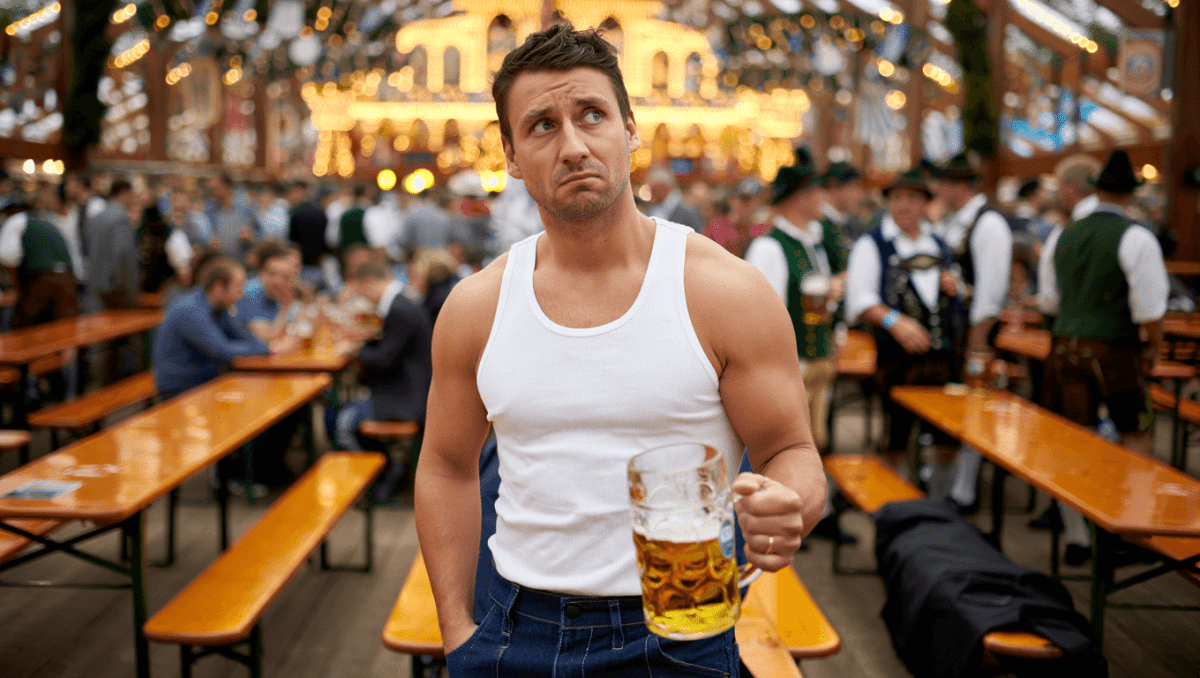
Arriving at the sprawling festival grounds, the tourist filmed food stalls, game booths, and a handful of small amusement rides. Rather than vast beer halls and historic Bavarian pageantry, much of what he captured resembled common fair attractions.
Anglo-Saxon burial reveals “unprecedented” secrets: experts stunned by 1,400-year-old grave mysteries
What Your Instinctive Tree Choice Reveals About Your Personality—Experts Explain
- Large tents serving beer and traditional dishes
- Stalls selling sweets like funnel cake-style treats
- Family rides and carnival games lining the grounds
- Visitors wearing lederhosen and dirndls among the crowds
In his short clip, he joked that he could have had the same experience closer to home. A local overheard him and suggested he was missing the point: Oktoberfest is about the atmosphere as much as the beer. The traveler acknowledged he was enjoying himself despite the mismatch with expectations.
Why the video went viral on TikTok
The post rapidly gained views and shares. Part of the appeal was the contrast between expectation and reality. Many people online had imagined a historic Bavarian street scene full of old stone buildings and cobblestones. Instead, the footage showed a lively, commercial festival space.
Short, relatable humor and a clear visual comparison helped the clip spread. Viewers could quickly judge for themselves: was this the authentic Oktoberfest or something closer to an American fair?
How Americans reacted to the comparison
Commenters offered a mix of surprise, amusement, and cultural context. Reactions fell into a few common camps:
- Those who expected storybook Europe were surprised by the carnival feel.
- Some found it funny that someone would fly overseas and encounter rides and snacks they also find at U.S. fairs.
- Others defended the festival, noting its unique traditions and scale despite modern attractions.
Several commenters pointed out that many U.S. fairs and festivals share the same formula: food, rides, and a convivial crowd. That made the comparison feel familiar rather than insulting.
Historical ties: Why Midwestern fairs and Oktoberfest share similarities
Historians and online commenters alike highlighted migration patterns and cultural exchange. Large numbers of German immigrants settled in the American Midwest in the 19th and early 20th centuries. They brought foods, music, and celebration styles that evolved into regional fairs.
Key factors linking the two traditions
- Immigrant influence: German settlers shaped local customs and festival formats.
- Commercialization: Both events adapted to attract large crowds and tourists.
- Family focus: Rides and games make these gatherings accessible to all ages.
- Culinary crossover: Foods like sausages, fried dough, and beer became staples in both settings.
Some commenters argued that rather than Iowa-style fairs copying Munich, both traditions stem from common cultural roots that emphasize harvest-time celebration and community.
Tourist expectations versus local perspectives
Expectations of a romanticized, old-world Oktoberfest often clash with the reality of a modern, massively attended festival. Locals and frequent visitors stress different aspects:
- Locals: Value the social rituals, tents, and beer culture.
- First-time tourists: May seek architectural charm and historical ambiance.
- Festival organizers: Balance tradition with attractions to satisfy diverse visitors.
That tension explains why a traveler might feel surprised, while others see the experience as quintessentially Munich: a communal celebration that has adapted over centuries.
What the footage reveals about travel and cultural myths
The clip sparked a wider conversation about how travel marketing shapes expectations. Photos of ornate halls, traditional costumes, and pastoral images often highlight one side of a festival. Yet, contemporary events also accommodate families, tourists, and commercial vendors.
Key takeaway: Modern festivals are living traditions. They blend history with entertainment to remain relevant and accessible.
Local reactions and the broader conversation online
The traveler’s video inspired both playful jabs and thoughtful replies. Some users celebrated the familiarity, saying Midwestern culture reflects a version of German traditions adapted to American life. Others playfully defended their hometown fairs as just as legitimate.
Reporters reached out to the creator for comment, while viewers continued to share photos and stories comparing their regional fairs to Munich’s long-running celebration.