Show summary Hide summary
- Why the NFL likely chose Bad Bunny: streaming reach and global pull
- Bad Bunny’s profile: music, roots and American connections
- What critics are saying: the MAGA response and common claims
- How the internet pushed back: satire, facts and viral mockery
- Voices on both sides: quotes and reactions shaping the story
- What people expect from the halftime performance and the fallout
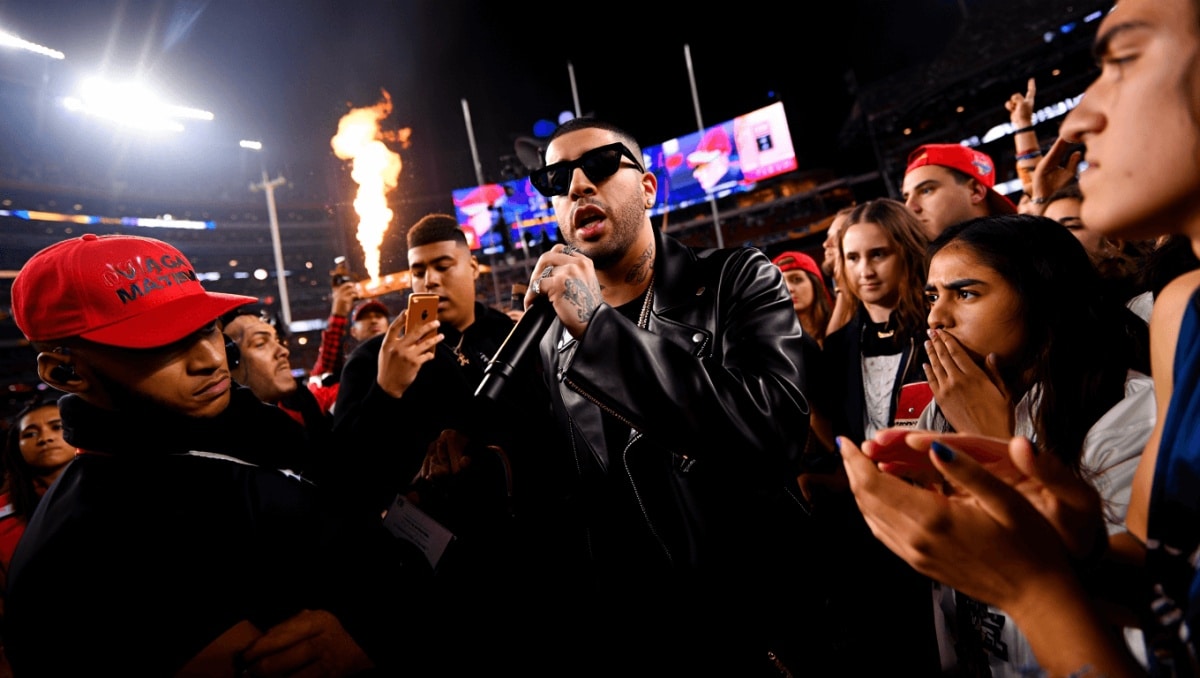
The NFL’s choice of Bad Bunny for the Super Bowl halftime show has ignited a fierce backlash from conservative corners online, sparking debates over language, nationality and culture that have dominated social feeds since the announcement.
Why the NFL likely chose Bad Bunny: streaming reach and global pull
The league has pursued new audiences for years. Bad Bunny’s streaming numbers and international fanbase make him a strategic pick.
Anglo-Saxon burial reveals “unprecedented” secrets: experts stunned by 1,400-year-old grave mysteries
What Your Instinctive Tree Choice Reveals About Your Personality—Experts Explain
- He has ranked among the world’s most-streamed artists on major platforms.
- His crossover appeal spans Latin America, Europe and sizable U.S. Hispanic audiences.
- Pick a half-hour star who draws eyeballs worldwide, and advertisers notice.
Industry observers see this as part of the NFL’s effort to broaden viewership beyond traditional markets. Global streaming metrics matter more than ever when choosing a halftime headliner.
Bad Bunny’s profile: music, roots and American connections
Bad Bunny, born Benito Antonio Martínez Ocasio, rose from Puerto Rico’s vibrant music scene. He blends reggaeton, trap and pop influences.
- Multiple chart-topping albums and billions of streams mark his catalog.
- He has branched into acting and even professional wrestling.
- Despite some public confusion, he is Puerto Rican and holds U.S. citizenship through that status.
Fans and commentators note that his Spanish-language material has not prevented mass appeal. He ranks among the most streamed artists in the United States as well as globally.
What critics are saying: the MAGA response and common claims
On announcement day, some conservative voices framed their objections around language and politics.
- Complaints that the halftime set contains “no songs in English.”
- Calls to boycott NFL broadcasts or advertiser products.
- Misstatements about his citizenship and alleged political activism.
These reactions mixed legitimate tastes in music with harsher rhetoric about identity. Many posts confused Puerto Rican nationality with non-citizen status, despite Puerto Ricans being U.S. citizens.
Notable talking points from high-profile critics
- Some public figures argued the Super Bowl should prioritize English-language performers.
- Others suggested replacing the act with artists known for patriotic themes.
- A handful urged fans to stop watching or to pressure advertisers.
How the internet pushed back: satire, facts and viral mockery
Responses to the backlash quickly flooded timelines. Many users highlighted factual errors and mocked the intensity of the outrage.
- Social users corrected the record on Puerto Rican citizenship.
- Commenters pointed out Bad Bunny’s strong U.S. streaming performance.
- Memes and jokes framed the critique as performative culture-war posturing.
Public figures and ordinary users alike posted rebuttals and quips. Some praised Bad Bunny’s stage presence and crossover hits. Others emphasized that music transcends language for vast audiences.
Voices on both sides: quotes and reactions shaping the story
From athletes to podcasters, the announcement produced a stream of short, fiery responses.
- Critics argued the halftime show should cater to a domestic audience.
- Supporters celebrated the diversity and cultural significance of a Latino superstar.
- Neutral commentators noted the commercial logic behind the selection.
Online debate blended entertainment critique with political commentary, turning a music booking into a broader cultural flashpoint.
What people expect from the halftime performance and the fallout
Anticipation now centers on what Bad Bunny will perform and how advertisers and viewers will react.
- Will the set include English-language material or political statements?
- How will corporations respond to calls for boycotts?
- Can one performance sway public opinion or ratings?
Fans predict a dynamic, theatrical show. Critics promise resistance. Meanwhile, the debate continues to play out on social media and in op-eds, signaling that the halftime announcement has become more than a music booking.