Show summary Hide summary
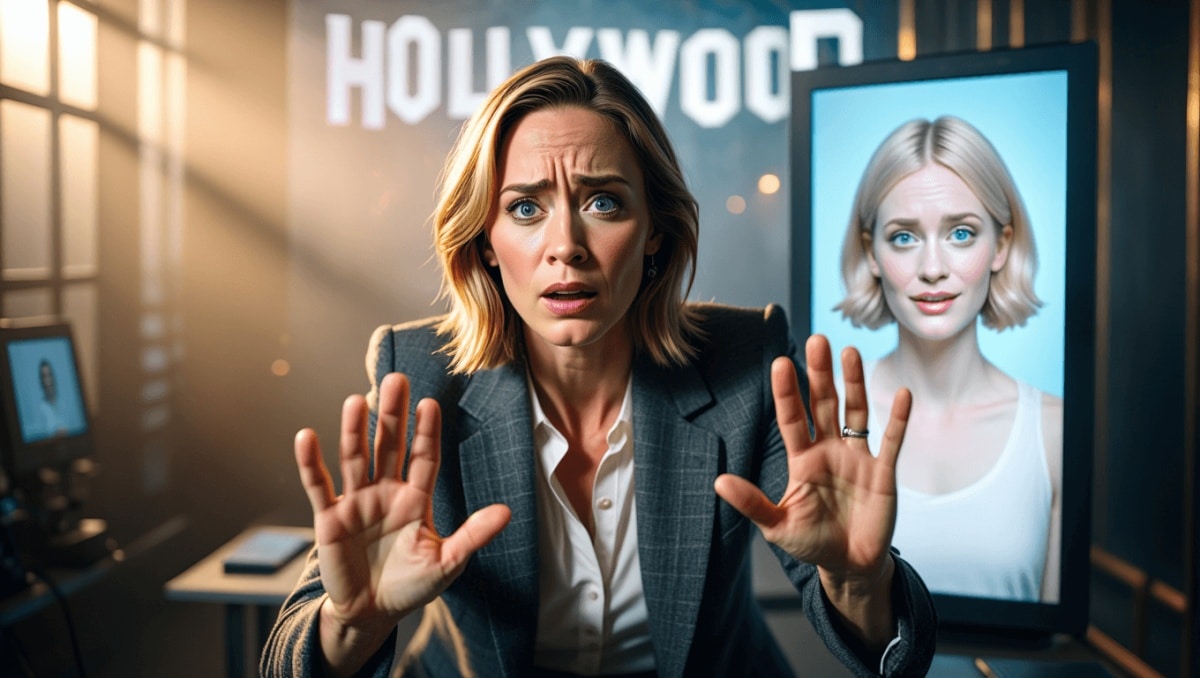
After seeing images of a digitally created performer, Emily Blunt voiced sharp concern about artificial actors moving into film. Her reaction has added momentum to a growing debate over whether AI-created talent can — or should — replace living performers.
Emily Blunt’s public alarm over AI-generated performers
When shown visuals of a virtual actress, Blunt responded with visible unease. She asked agencies to think twice before promoting manufactured faces as talent.
Anglo-Saxon burial reveals “unprecedented” secrets: experts stunned by 1,400-year-old grave mysteries
What Your Instinctive Tree Choice Reveals About Your Personality—Experts Explain
Blunt argued that the heart of cinema is human connection, and she urged industry gatekeepers to preserve that bond. Her comments reflect rising anxiety among actors about being sidelined by synthetic alternatives.
Who made Tilly Norwood and why she matters
An AI studio named Xicoia introduced the virtual persona called Tilly Norwood. Creator Eline Van der Velden presented the character at a major film festival in Zurich.
The project was described as a young, composite brunette shaped from multiple references. The developers compared the digital model to high-profile stars and suggested it could attract casting interest from agencies and brands.
- Created by an AI talent studio and unveiled at a film festival.
- Built from composite imagery and promotional storytelling.
- Marketed as a new, bankable face for screen and advertising work.
Studios see advantages in such creations. AI “stars” can remain unchanging, uncontroversial, and cheaper to deploy than human performers. That combination explains why some companies are curious about virtual talent.
Actors and unions respond: ethical and creative concerns
Several performers spoke out after Tilly Norwood surfaced. One former child actor questioned whether the faces used to train the model came from real women who might have benefited from real roles.
SAG-AFTRA issued a public critique, describing the digital persona as a product of code rather than a performer with lived experience. The union emphasized that audiences seek emotional authenticity.
The union’s core point: a generated character lacks the life history and emotional depth that real actors bring to a role, and that matters to viewers.
Questions raised by critics
- Were real people’s likenesses used without fair consent?
- Does an AI “actor” undermine jobs for trained performers?
- How will audiences respond to stories told by nonhuman figures?
The creator’s defense: art versus replacement
Van der Velden defended Tilly Norwood as a creative work, not a substitute for human talent. She said the character was intended to provoke discussion.
In public posts, she framed the project as an artistic experiment. Supporters see it as a new medium that can coexist with traditional filmmaking, rather than displace it.
Practical implications for casting, agencies, and audiences
Interest from agencies in a virtual performer highlights a business dilemma. Casting directors weigh cost, control, and audience appeal when they consider new options.
Key practical issues include:
- Contractual rights: Who owns a generated likeness?
- Transparency: Should productions disclose when a face is synthetic?
- Audience trust: Will viewers accept characters untethered to human experience?
As studios experiment, legal and ethical frameworks may lag behind. That gap leaves performers and unions pressing for protections while creators push artistic boundaries.