
Show summary Hide summary
- San Antonio clip shows dramatic year-over-year jump in oil-change costs
- Behind the numbers: why routine oil changes cost more
- Workers say they aren’t reaping the benefits of price hikes
- Public reaction: inflation, corporate pricing, and politics
- How drivers can respond to rising oil-change bills
- Questions the industry faces as costs rise
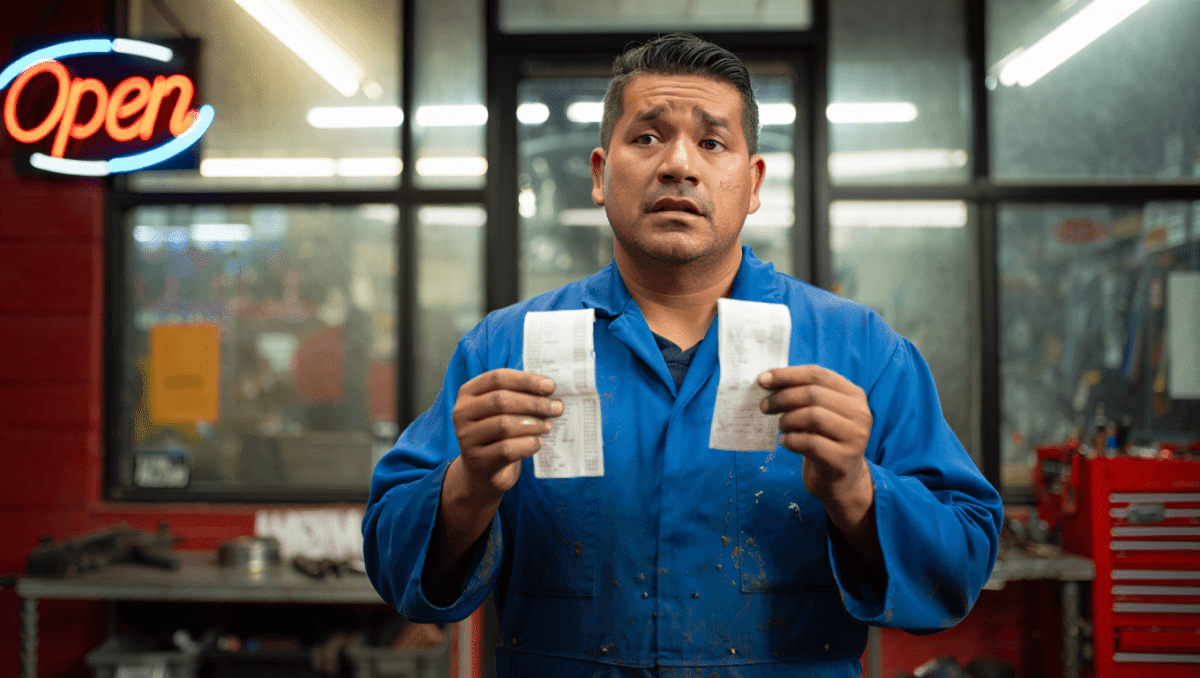
A San Antonio mechanic turned his shop’s rising service prices into a viral moment on TikTok, sparking a wider debate about why even routine jobs like oil changes now carry steep price tags.
San Antonio clip shows dramatic year-over-year jump in oil-change costs
In a short video, the mechanic, who posts as Skyler on TikTok, walked viewers through the shop’s price signs. He traced a steady climb from a <$39.95 oil change to roughly $80 within a year.
Anglo-Saxon burial reveals “unprecedented” secrets: experts stunned by 1,400-year-old grave mysteries
What Your Instinctive Tree Choice Reveals About Your Personality—Experts Explain
Prices highlighted in the video:
- $39.95 — previous year listing
- $59.95 — intermediate increase
- $69.95 — later update
- $79.99 — the price reported after the clip gained traction
- $120 — cited price for a full synthetic oil change
Skyler told viewers he isn’t a politics buff, yet he found the pace of increases alarming. His post racked up hundreds of thousands of views and ignited many comments.
Behind the numbers: why routine oil changes cost more
Mechanics and industry analysts point to several forces pushing service prices up. These factors stack on top of one another and change what a basic oil change actually costs.
Parts and fluids have climbed in price
- Motor oil, filters and fluids rose due to supply chain strains and higher raw-material costs.
- Specialized blends and additive requirements add to per-service expenses.
- Refining, recycling and compliance fees also increase ingredient costs.
Labor and technician pay are shifting
- Skilled technicians now command higher wages in many areas.
- Modern cars often require diagnostic time and proprietary tools.
- Longer service times raise labor charges even for simple tasks.
Shop overhead and industrywide inflation
- Rent, utilities, insurance and shop supplies have all become costlier.
- Replacement parts and specialty tools add recurring expense.
- Even modest material cost increases can be amplified by labor and overhead.
The bottom line: a seemingly similar oil change today can cost twice what it did last year because many incremental costs add up.
Workers say they aren’t reaping the benefits of price hikes
One striking theme Skyler raised was that higher customer prices don’t always mean higher pay for technicians.
He noted: the people doing the work often do not see proportional raises.
That disconnect has fueled resentment among both shop staff and customers who expect price increases to trickle down to wages.
Public reaction: inflation, corporate pricing, and politics
Comments under the viral clip ran the political and economic gamut. Many viewers rejected simple inflation as the only cause.
- Some blamed corporate markups and owner-side profit-taking.
- Others pointed to broader policy issues, including tariffs and regulation changes.
- Many highlighted wage stagnation for frontline workers despite rising prices.
Debate showed how price changes for everyday services can become a flashpoint for larger grievances.
How drivers can respond to rising oil-change bills
Consumers have options if they want to limit what they pay for basic maintenance.
- Shop around—compare quotes from independent shops and quick-lube chains.
- Ask for a breakdown—request separate pricing for parts and labor.
- Consider DIY if comfortable—buy oil in bulk and change it at home.
- Opt for conventional oil when appropriate to save on full-synthetic costs.
- Look for coupons, loyalty programs, or off-peak discounts.
Questions the industry faces as costs rise
The viral clip raises broader issues for vehicle owners and repair shops alike.
- How can shops balance fair wages and transparent pricing?
- Will rising costs push more consumers toward DIY or deferred maintenance?
- Can clearer itemized receipts ease customer frustration?
Skyler’s video made those questions public, showing how a small service can reflect larger economic shifts.