
Show summary Hide summary
- Jake Paul’s TikTok Reply: Anger, Impact on Business, and Lawsuits
- What the Deepfakes Show: Drag, Fashion Gags, and Absurd Scenarios
- Public Pushback: Is It Harmless or Homophobic?
- Why This Resonated Differently Because the Target Is a Man
- Questions Around Authenticity and Platform Response
- Options for Creators and Platforms Tackling Deepfakes
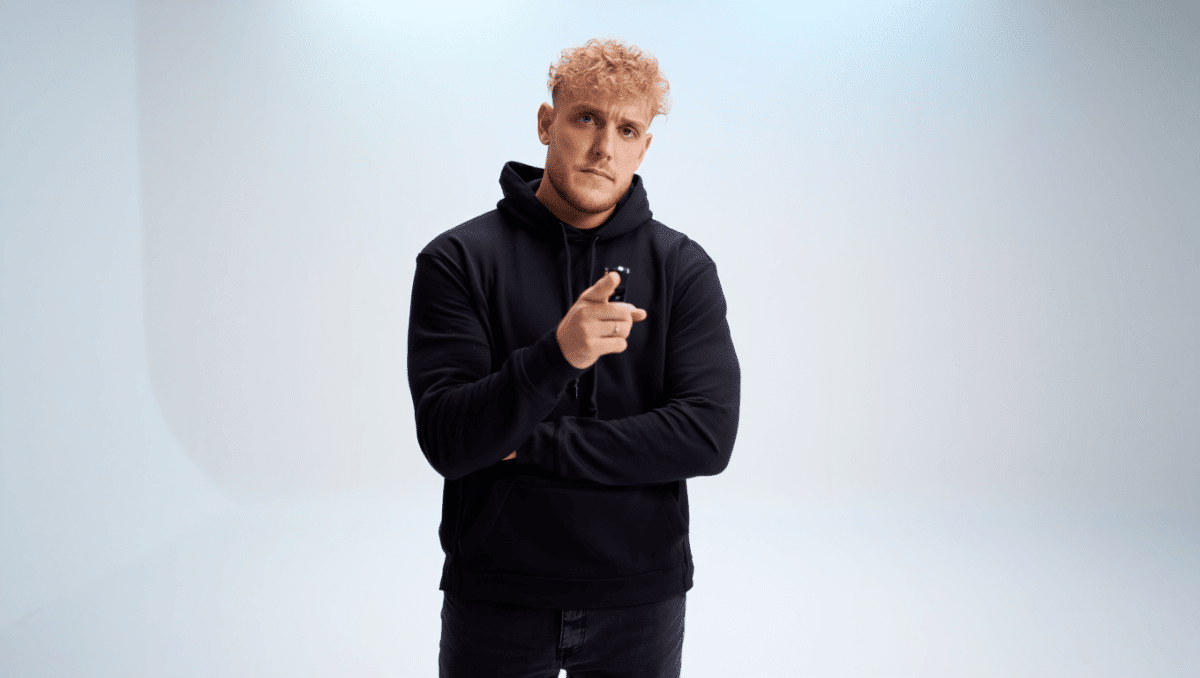
Jake Paul has pushed back against a wave of AI deepfakes that recast him in flamboyant and feminine roles, calling out creators on TikTok and warning of legal action. The controversy has sparked ridicule, debate over homophobia, and fresh questions about how platforms handle manipulated media.
Jake Paul’s TikTok Reply: Anger, Impact on Business, and Lawsuits
On Oct. 9, 2025, Paul posted a short TikTok labeled “Important announcement.” The clip drew millions of views within a day.
Anglo-Saxon burial reveals “unprecedented” secrets: experts stunned by 1,400-year-old grave mysteries
What Your Instinctive Tree Choice Reveals About Your Personality—Experts Explain
He said the fabricated videos are harming his personal life and business deals. He warned he will pursue legal steps against those spreading the clips.
Reactions were divided. Some followers defended him. Many others treated the posts as harmless satire and mocked his response.
- Supporters urged action against false content.
- Critics accused him of failing to laugh it off.
- Some users joked the response itself might be AI-generated.
What the Deepfakes Show: Drag, Fashion Gags, and Absurd Scenarios
The AI videos place Paul in exaggerated, feminine roles. Many clips portray him in dresses, doing makeup checks, or posing with rainbow imagery.
Examples circulated widely:
- Outfits and “fit check” clips with sequins and heels.
- Scenes staged as a mock arrest, with the line, “You can’t arrest a queen.”
- Absurd mashups, like reading with pop-culture figures or speaking in other languages.
Some creators lean into satire. Others use the images to ridicule Paul’s masculinity. The videos often blur parody and mockery.
Public Pushback: Is It Harmless or Homophobic?
Viewers split along familiar lines. Some laughed. Some called the clips cruel.
- Those who laugh say it’s a parody aimed at a public figure.
- Opponents say it reinforces harmful stereotypes about queer people.
Critics argue the content punches down by treating effeminacy as an insult. Supporters argue Paul, as a public persona, is fair game for satire.
Why This Resonated Differently Because the Target Is a Man
Commentators noted a pattern: deepfakes and abusive AI content have long targeted women. But responses only turned urgent once men faced humiliating portrayals.
Creator Meg (@alottameg) said the shift exposed bias in public concern. Her video about double standards earned widespread attention.
Many viewers agreed, pointing to earlier AI abuse aimed at women that received less mainstream outrage.
Questions Around Authenticity and Platform Response
Users also debated how these deepfakes were made and shared. Some asked how watermarks were removed. Others questioned detection tools.
- Platforms struggle to trace creators who upload altered clips.
- Automatic moderation often misses subtle manipulations.
- Legal options are complex when creators are anonymous or overseas.
Experts warn existing rules lag behind emerging AI tools that produce realistic forgeries.
Options for Creators and Platforms Tackling Deepfakes
Solutions discussed by experts and users include clearer policies and better tech. Platforms could act faster.
- Mandatory provenance labels and visible watermarks on AI-generated media.
- Improved detection algorithms and faster takedown pathways.
- Legal reforms to make it easier to sue malicious creators.
- Public education campaigns to raise awareness about manipulated content.
Practical steps users can take
- Report suspicious videos to the hosting platform.
- Save evidence and timestamps if you believe harm is occurring.
- Cross-check claims with trusted news sources before sharing.