Show summary Hide summary
- How the video unfolded and what viewers saw
- Family dynamics and the reactions filmed
- Social networks respond: outrage, support, and debate
- Why many call this unacceptable behavior
- Voices weighing in: personal accounts and expert angles
- What people suggested should happen next
- Broader lessons about consent and online stunts
A short TikTok clip meant as a family joke ignited a fierce backlash after it showed a man, sober for years, discovering he had eaten a cake laced with rum. Viewers accused his relatives of betraying his recovery, and the video surged across platforms as people debated whether the stunt was cruel or staged.
How the video unfolded and what viewers saw
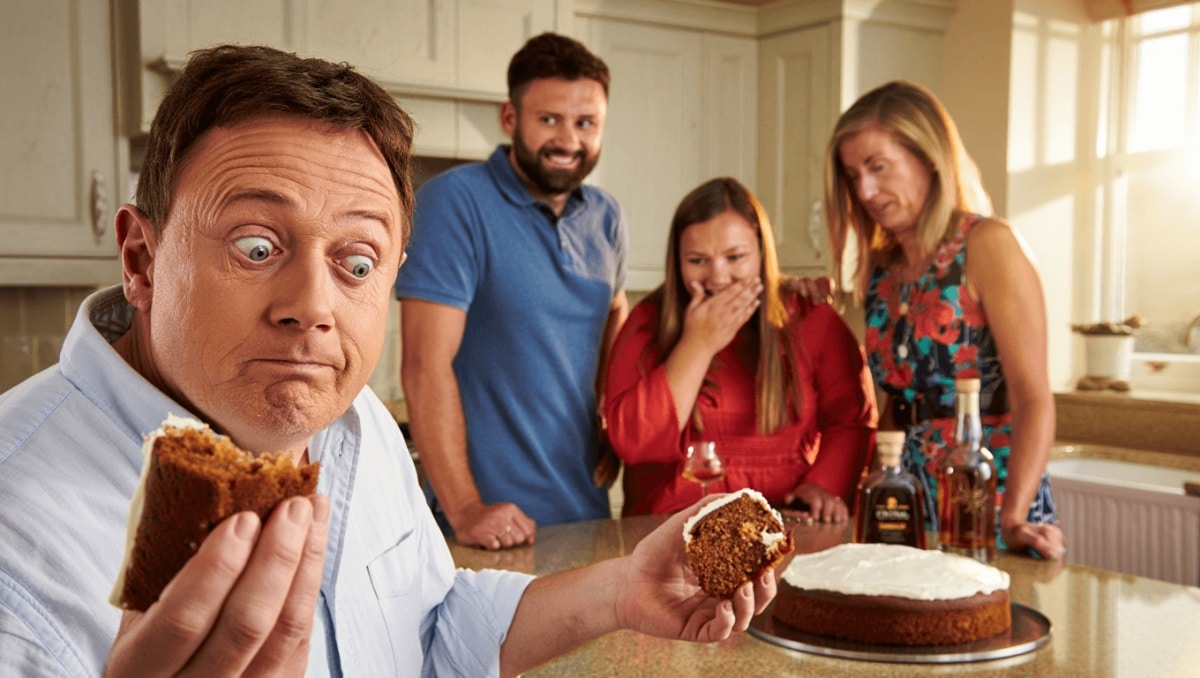
The original post, shared by creator Jessy under the handle @xo.jessyy, captured the immediate moment the man realized alcohol had been served to him unknowingly. His reaction shifted from awkward laughter to visible distress. That emotional turn is what many viewers found most troubling.
Anglo-Saxon burial reveals “unprecedented” secrets: experts stunned by 1,400-year-old grave mysteries
What Your Instinctive Tree Choice Reveals About Your Personality—Experts Explain
Key details revealed in follow-ups
- Jessy later explained the cake had been finished with rum after baking, meaning alcohol remained on the dessert.
- The brother reportedly asked if the cake contained alcohol before eating it and was reassured it did not.
- After discovering the truth, he experienced intense anxiety and indicated he wanted to distance himself from the family member who served it.
Family dynamics and the reactions filmed
In the footage, relatives appear to treat the incident as a prank. Some family members laugh, while others downplay the seriousness. That split—the casual laughter across from the brother’s pain—drove much of the online outrage.
Many critics said this was a breach of trust, not harmless fun. The man’s distress and the family’s response became the center of the debate.
Social networks respond: outrage, support, and debate
Across multiple platforms, users expressed anger and empathy. The clip gathered millions of views and thousands of comments, fueling wide discussion.
- On Threads and Instagram, commenters described the act as abusive and dangerous for someone in recovery.
- Reddit threads dissected the body language and what it suggested about long-term harm.
- Some sober influencers framed the incident as an example of how addiction affects whole families.
One common point: people argued the stunt ignored basic respect for boundaries. Another point: a few posts suggested the footage could be staged, though that claim has not been verified.
Why many call this unacceptable behavior
Observers highlighted several reasons the incident struck a nerve beyond mere taste in humor.
- Risk to recovery: Exposure to alcohol without consent can trigger relapse or severe anxiety.
- Breach of consent: Serving someone an item with an undisclosed ingredient violates trust.
- Emotional harm: Mocking or minimizing a loved one’s struggle can deepen trauma.
Voices weighing in: personal accounts and expert angles
A number of commenters who shared their own recovery stories warned that jokes like this can carry lasting consequences. Fitness and sobriety influencers posted reactions emphasizing community support and boundary setting.
Meanwhile, other users questioned the clip’s authenticity, calling it possible “rage bait.” That claim circulated but lacked clear evidence. The mix of opinions kept the conversation alive across platforms.
What people suggested should happen next
Users offered a range of suggested responses, both to the family and to viewers witnessing similar situations.
- Prioritize the affected person’s emotional and physical safety.
- Apologize and acknowledge the harm rather than dismissing it as a joke.
- Set firm boundaries if trust has been broken, including limiting contact if necessary.
- Seek professional help when a relapse risk or traumatic response emerges.
Broader lessons about consent and online stunts
Beyond this single incident, the episode sparked a larger conversation about the ethics of pranks shared online. Critics argued that viral content should not come at the expense of someone’s wellbeing.
Deception around food or drink touches on health, beliefs, and safety. Many said creators and families must weigh the harm before turning private pain into public content.