
Show summary Hide summary
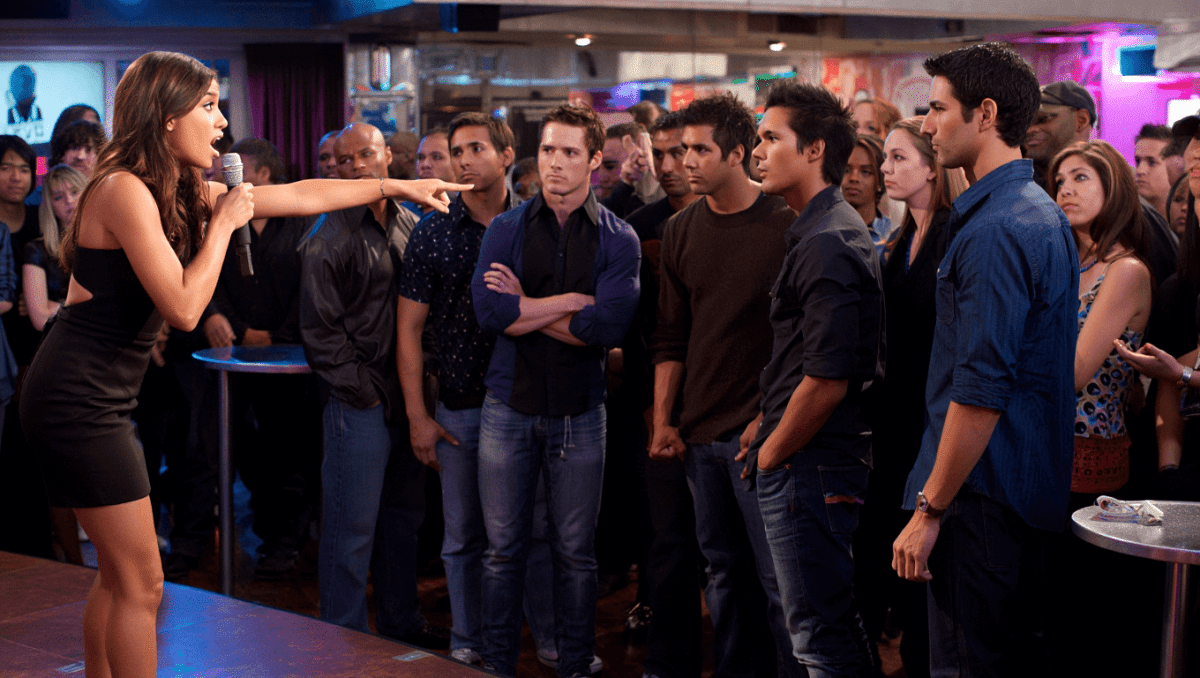
A fresh wave of viral videos is forcing a rethink of nightlife etiquette. Clips on TikTok show men crowding elevated stages and couches once reserved for women, and the debate has spilled into comment threads, think pieces and industry discussions.
Viral footage spotlights men on stages and couches
Short-form videos have captured groups of men standing on platforms, barely moving to the beat. Creators argue these scenes reverse long-standing club norms, where women traditionally claimed the spotlight.
Anglo-Saxon burial reveals “unprecedented” secrets: experts stunned by 1,400-year-old grave mysteries
What Your Instinctive Tree Choice Reveals About Your Personality—Experts Explain
One creator, known as Jusnene on TikTok, recorded a fiery take on the change in behavior. She framed the shift as more than a night out trend, saying it reflects new relationship expectations and a different appetite for attention.
Other users posted similar clips. Festival Kiera uploaded footage of six men on an elevated surface with a caption that scolded the group for taking a spot that usually showcased dancing. Another user filmed multiple men standing on couches in a crowded venue and asked why they behaved like “princesses” on raised furniture.
Across these posts, the common complaint is simple: elevated club space now often features passive men instead of women dancing and socializing. The result, many say, is a decline in the classic club vibe.
What’s driving the change in nightlife behavior?
Phones, cameras and the fear of going viral
Comedians and commentators point to one modern stressor: constant recording. When every move might end up online, people alter how they act.
Some nightlife insiders call this “social media anxiety.” Dancers who once owned the floor now hesitate. Being filmed can mean ridicule or unwanted exposure, so many choose to stay put.
Rising costs and changing priorities
Economic pressure also plays a role. Cover charges, expensive drinks and transportation add up. For many, a night out can cost more than $150.
- Cover fees often range from $30 to $50.
- Drinks commonly cost $15 or more each.
- Rideshare bills and late-night expenses increase the total.
Surveys echo this reality. A 2022 poll found only about one in four Gen Zers still keen on clubbing. Another study in the U.K. reported 61 percent of people aged 18 to 30 were going out less, citing cost as the main reason.
Online reactions: humor, frustration and controversy
Comment sections have turned into battlegrounds. Some responses are bemused and nostalgic. Others are sharply critical. A few comments even drift into discriminatory territory.
- Many older clubgoers reminisce about stricter enforcement and bouncers who kept stages reserved.
- Some posters demand men “go back to the ground,” urging a return to earlier norms.
- Several viewers note the irony that the men occupying platforms frequently aren’t dancing.
It’s important to flag that some reactions cross into homophobic or insulting language. Those remarks cloud the larger discussion about space, respect and changing gender roles in nightlife.
Operators and experts weigh in on possible fixes
Venue staff and nightlife experts suggest a mix of policy and design changes to reclaim dance floors while keeping patrons safe.
- Clear house rules that limit who may use stages and couch areas.
- Active enforcement by door staff to prevent crowding on elevated surfaces.
- Design tweaks that discourage passive congregation on platforms.
- Promotions that lower the cost barrier for target groups, like discounted hours.
Some managers also propose educating patrons on club etiquette and promoting events that encourage genuine dancing rather than posing for photos.
How this trend fits into broader nightlife shifts
What’s happening on stages is part of a larger cultural shift. Younger generations face economic strain and constant online scrutiny. Both influence how people socialize after dark.
Nightlife used to be a predictable ritual for many. Now, worries about privacy, cost and social norms change where people gather and how they behave in public places.
Voices calling for a new nightlife etiquette
Among creators and commentators, a recurring plea emerges: restore some balance without policing identity. Many want venues to be welcoming, energetic and fun again.
- Encourage inclusive spaces where dancing is celebrated.
- Discourage using stages purely as photo backdrops.
- Foster respect between genders without resorting to insults.
Proposals vary, but the common aim is to make nights out feel lively and safe for everyone who wants to dance, watch or simply be part of the crowd.