
Show summary Hide summary
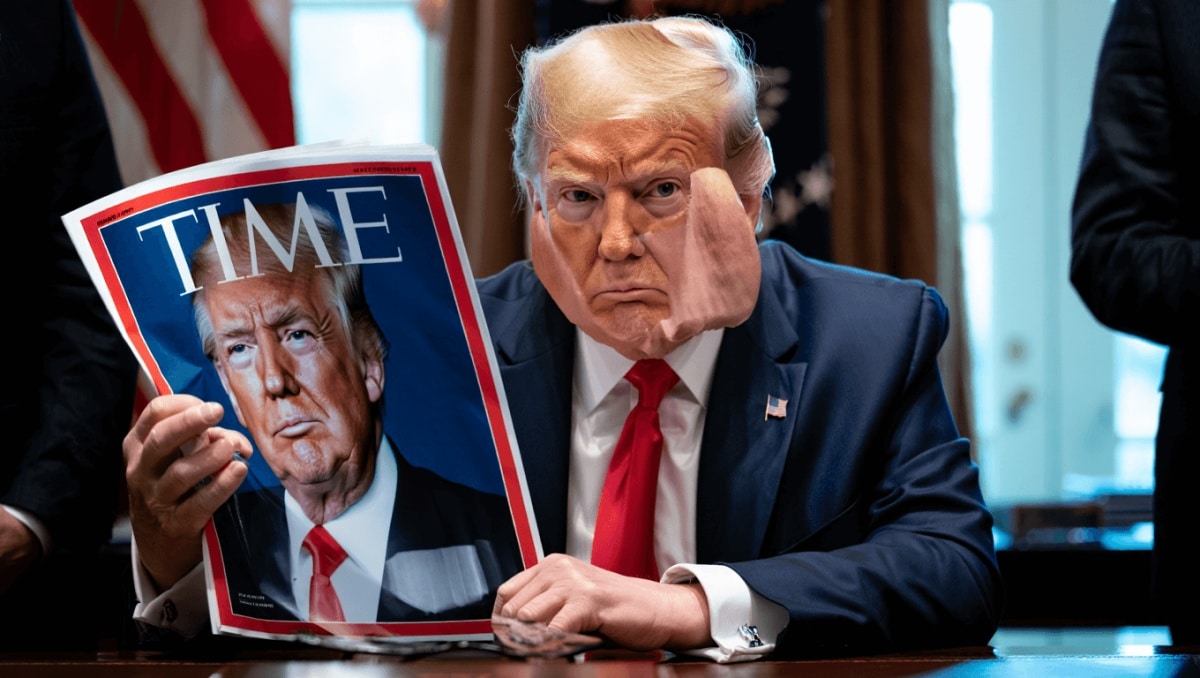
Time Magazine’s recent cover praising President Donald Trump for brokering a Gaza ceasefire has ignited a fresh round of attention — but not for the reason the magazine expected. While the feature celebrates a high-stakes diplomatic move, the story quickly shifted online after Trump focused on the cover photo. What followed was a cascade of reactions that mixed praise for the ceasefire with ridicule and debate about media, image and politics.
What Time highlighted about the Gaza ceasefire and Trump’s role
Time’s profile framed the negotiated pause in Gaza as a milestone connected to Trump’s second term. The magazine and its social posts noted the exchange of Israeli and Palestinian detainees as part of a broader agreement. Editors suggested the deal could become a defining accomplishment for the administration.
Anglo-Saxon burial reveals “unprecedented” secrets: experts stunned by 1,400-year-old grave mysteries
What Your Instinctive Tree Choice Reveals About Your Personality—Experts Explain
Key points the coverage touched on included:
- The phased release of hostages and prisoners.
- How the agreement might reshape U.S. influence in the region.
- Speculation about the ceasefire’s durability and political impact.
Why the cover image became the story
Instead of lingering on the diplomacy, attention pivoted to the portrait used on Time’s cover. The president publicly complained about the photograph on Truth Social. He criticized the angle and said the image altered his appearance.
Trump’s main gripe was that the photo minimized his hair and added a strange visual element above his head. He called the shot a poor choice and urged followers to notice it. The rant shifted the narrative away from policy and back to personality.
How social media and critics reacted
The response online was swift and mocking. Supporters and opponents both weighed in, but most commentary focused on the photo rather than the ceasefire story itself.
- Some users suggested every public photo of Trump gets the same critique.
- Others joked that the image simply reflected how he looks from that angle.
- A number of posts framed the cover as an awkward attempt by a legacy outlet to win favor.
Voices on X and other platforms posted memes, short takes and gifs. A common theme was that the outrage over a magazine photo seemed disproportionate given the coverage of a major foreign-policy development.
Why this clash matters for media and politics
The episode illustrates how small details can distract from big stories. A cover photo can reshape public attention. It can also reveal the president’s sensitivity to image and the media’s power to drive conversation.
Broader implications for news consumption
- Visuals often become the headline, even when text contains major reporting.
- Political figures can steer coverage by amplifying grievances on their own platforms.
- Readers may miss policy analysis when debate centers on aesthetics.
Context on the ceasefire and lingering questions
While the cover touted a diplomatic success, analysts and critics noted uncertainties remain. Observers asked whether the parties will honor the terms and how long the pause will last. Skeptics also flagged domestic issues tied to the administration that did not appear in the celebratory framing.
As the story continues, coverage will likely split between the mechanics of the ceasefire and the public theater around how leaders respond to media portrayal.