Show summary Hide summary
- How a TikTok clip put Auburn Walmart under the microscope
- Items shoppers say are routinely locked up
- Why retailers lock ordinary merchandise
- Customer reactions: switching stores and shifting habits
- Variation across locations: one company, many policies
- Practical advice for shoppers facing locked displays
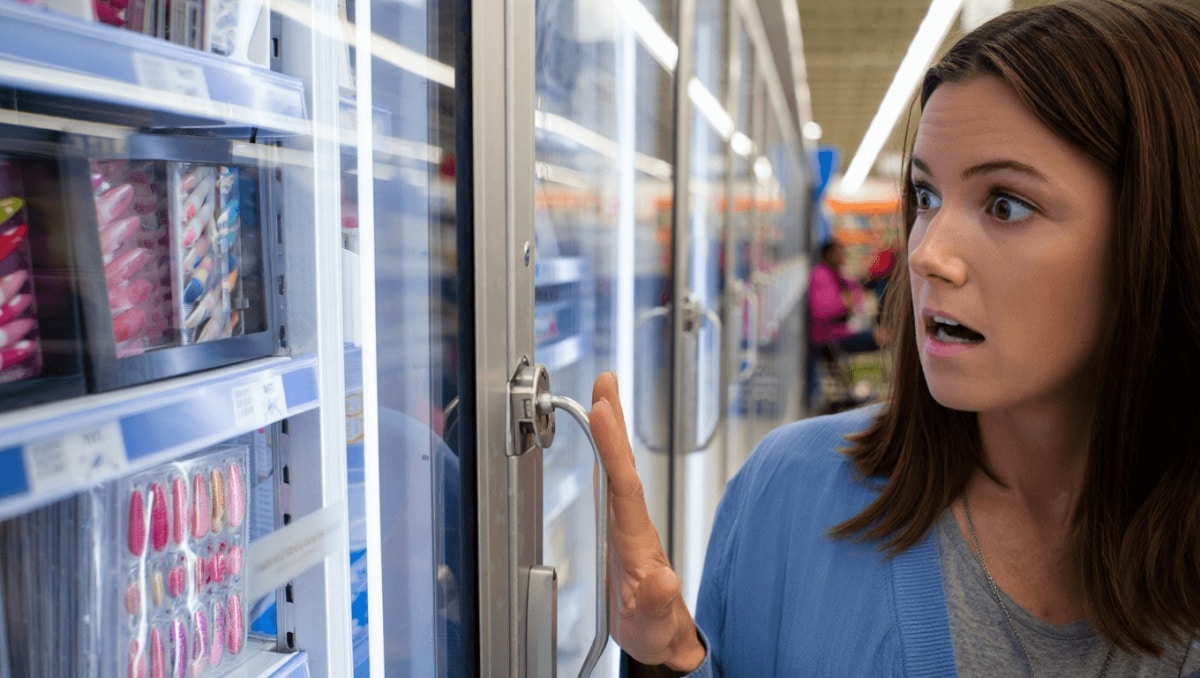
A routine trip for press-on nails turned into an unexpected lesson in retail security when a shopper in Auburn, Maine, found the item sealed behind glass. A short TikTok clip of the encounter has since sparked a broader debate about store theft prevention and how it affects everyday customers.
How a TikTok clip put Auburn Walmart under the microscope
A video filmed inside the Auburn Walmart showed an employee taking a boxed set of fake nails from a display and placing it into a small handheld plastic lockbox. The shopper was allowed to continue browsing while the item stayed secured until checkout.
Anglo-Saxon burial reveals “unprecedented” secrets: experts stunned by 1,400-year-old grave mysteries
What Your Instinctive Tree Choice Reveals About Your Personality—Experts Explain
The clip, posted on Oct. 14, 2025, drew thousands of reactions. Viewers said the scene reflected a wider trend at many big-box stores. Security measures meant to stop theft are now interrupting routine shopping trips, the video’s viewers said.
Items shoppers say are routinely locked up
Users who commented on the post listed many everyday items kept behind glass or in locked cabinets. Common mentions included:
- Socks and small apparel
- Children’s toys
- Snack foods and candy
- Makeup, press-on nails and cosmetics
- Body wash, deodorant and hygiene products
Some commenters also noted that stores sometimes place purchased items into a secondary lockbox so customers can keep shopping. Others reported being asked to complete payment before leaving that aisle.
Why retailers lock ordinary merchandise
Loss prevention teams say locking high-theft items reduces shrinkage. Smaller, easily concealed goods are frequent targets for shoplifting.
- Glass cases and locked cabinets create a visible barrier.
- Handheld lockboxes let staff secure a paid-but-not-yet-checked-out item.
- Some locations require a staff member to escort the product to the register.
Retailers balance theft prevention with the customer experience, but shoppers say the scales are tipping toward heavier restrictions in many stores.
Customer reactions: switching stores and shifting habits
The social posts revealed clear patterns in how consumers respond.
- Many said they now order online for pickup or curbside delivery.
- Some shoppers said they simply go to competitors like Target.
- Others complain they avoid browsing aisles that hold locked goods.
One user described choosing a different retailer rather than wait for staff assistance. Another noted that time-pressed shoppers often find curbside pickup more efficient than dealing with locked displays.
Variation across locations: one company, many policies
Commenters made clear that not every Walmart follows the same protocol.
- Some stores keep items behind glass but leave other products accessible.
- Other locations lock more aggressively, including hygiene or snack items.
- Staffing levels and local theft rates influence how strict a store becomes.
Local managers tailor loss-prevention tactics to their stores, which explains why shoppers see different rules at different branches.
Practical advice for shoppers facing locked displays
If you hit a locked case, consider these steps to save time and frustration:
- Check the retailer’s app for in-store pickup or curbside options.
- Ask an employee about checkout procedures before selecting the item.
- Use competitors or third-party sellers when timing is critical.
- Bring a list and plan which aisles you’ll visit to reduce back-and-forth.
Many shoppers find that a quick call to customer service or a look on the store app avoids the hassle of waiting for staff to retrieve locked items.