Show summary Hide summary
A Manchester, Missouri bar and grill used its cameras and a viral Facebook post to chase down a customer who left a phony bill and drove off. The man returned the next day, paid up in cash and added a tip after staff identified him from surveillance images.
How staff tracked down a dine-and-dash and recovered payment
Employees at Michael’s Bar and Grill say the incident began as a routine meal that ended with a surprising twist. A customer ordered food, handed over what looked like a large denomination note, then left the restaurant in a luxury vehicle when the server stepped away.
Anglo-Saxon burial reveals “unprecedented” secrets: experts stunned by 1,400-year-old grave mysteries
What Your Instinctive Tree Choice Reveals About Your Personality—Experts Explain
- Server leaves to get change.
- Customer departs in a Lexus.
- Staff review security footage and pull still images.
- The restaurant posts photos on Facebook to identify the patron.
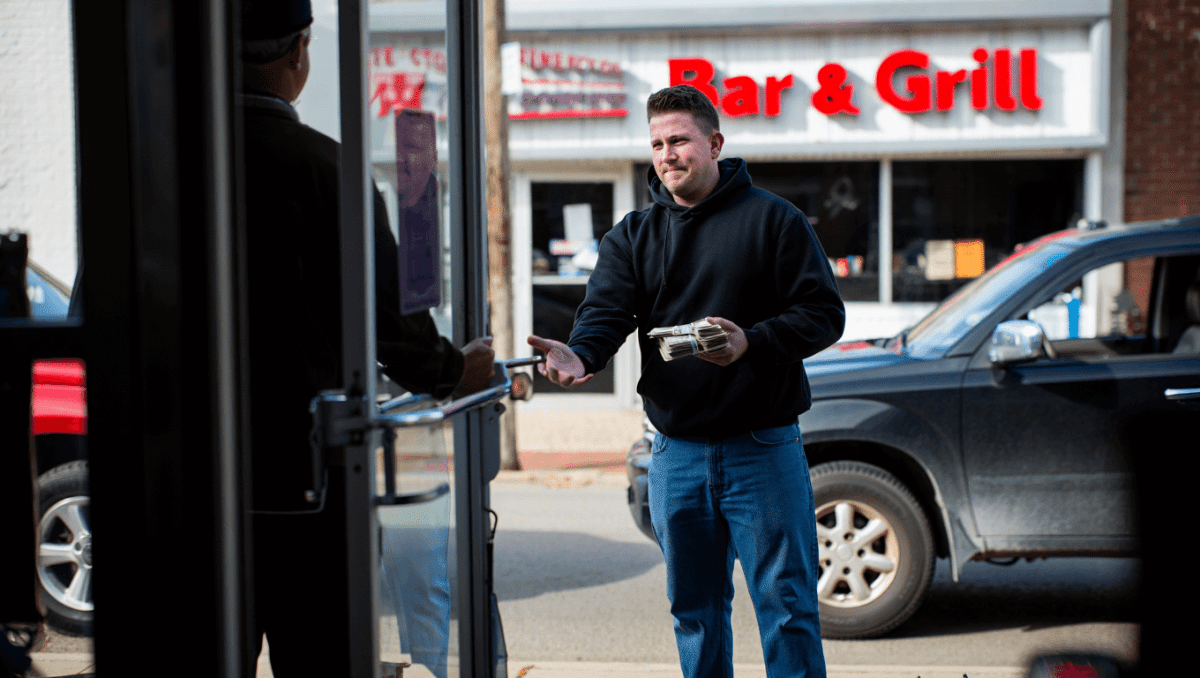
The next day the customer returned, settled the $1,000 tab in real cash and apologized. Staff say he also left a tip for the server he had shortchanged.
Security investments that made a difference
Management says the restaurant has upgraded its loss-prevention systems after repeated incidents. The toolkit now includes multiple cameras, license plate capture and facial recognition software.
According to the owner, these measures are part of a broader effort to protect small businesses from repeat offenders. Staff members argued the move was needed because servers depend heavily on tips, and unpaid tabs hit tight margins hard.
What the bill actually was and why it fooled staff
Investigators and commenters noted the note used in the scheme wasn’t real currency. It was a novelty item labeled for ceremonial use and not intended as legal tender.
These novelty notes are often produced for cultural rituals. In some traditions, printed “ancestor money” is burned in ceremonies to symbolically provide for the deceased.
Because the note bore decorative markings and a small disclaimer, it is not technically counterfeit. Yet, on a busy shift, the marking can be easy to miss.
Legal questions and public reaction online
On social platforms, many readers debated whether the act crossed into counterfeiting. In U.S. law, producing or passing fake currency can lead to federal charges.
Other commenters focused on the novelty nature of the note, and some mistakenly claimed certain denominations never existed. Historically, high-denomination notes were withdrawn from circulation decades ago, but that nuance fueled heated replies.
- Some users applauded the restaurant for using social media to recover losses.
- Others warned about privacy and the risks of naming suspects publicly.
- A number of posts mocked the poor choice of prop currency used in the stunt.
What the restaurant did after the man paid
Once the customer returned and settled the bill, management removed the public post showing his image. Staffers said the goal was deterrence, not permanent shaming.
Employees emphasized a simple message: if you dine and dash here, expect to be identified and asked to make it right.