
Show summary Hide summary
- Viral wake-up call: how a toothbrush and steam ended the secrecy
- Why parents’ nicotine use influences kids
- Where the numbers stand: youth vaping trends and public health
- Readers and online peers rally with support and tips
- Practical steps parents can take to quit vaping
- Voices from those who quit: lived experience matters
- How parents can reduce the likelihood of imitation
A father who thought he had kept his vaping habit secret changed course after a revealing moment with his six-year-old. A viral Reddit thread shows how a child copying steam from a shower as a pretend e‑cigarette pushed the parent to quit — and the story struck a chord online.
Viral wake-up call: how a toothbrush and steam ended the secrecy
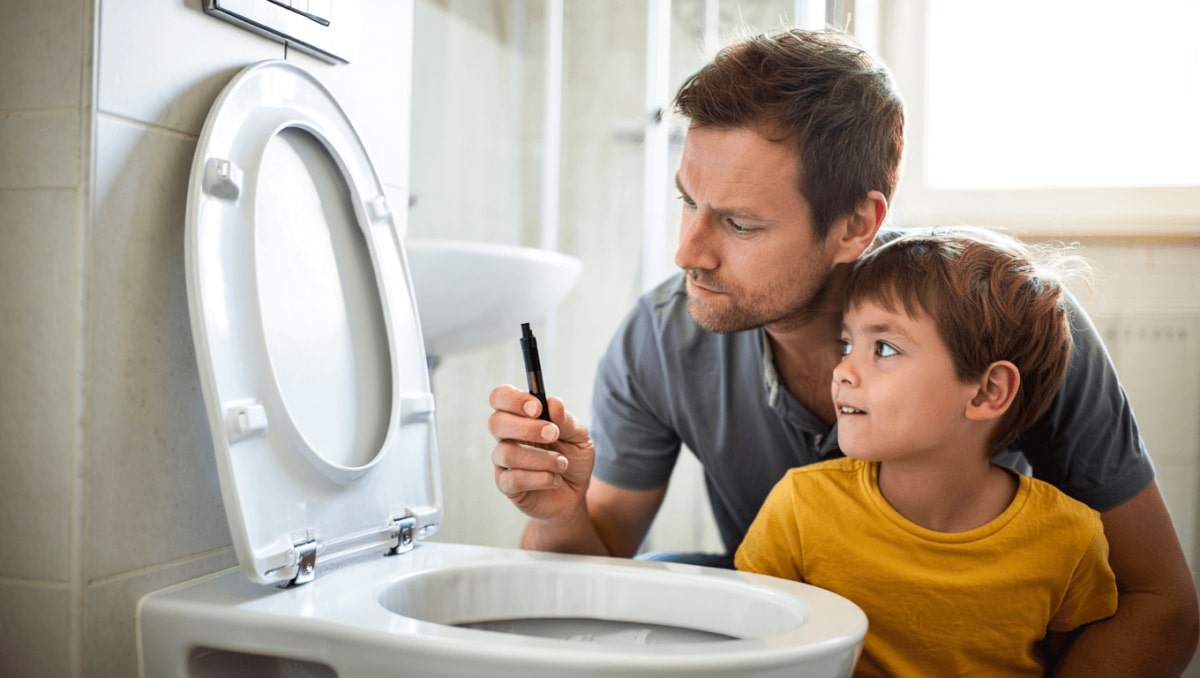
The story began on Reddit when user Rpark888 shared a short, blunt account of being discovered by his son. What started as a private habit became public in a tiny bathroom. The child was imitating the adult, using a toothbrush and shower steam to mimic vaping.
Anglo-Saxon burial reveals “unprecedented” secrets: experts stunned by 1,400-year-old grave mysteries
What Your Instinctive Tree Choice Reveals About Your Personality—Experts Explain
That image — a kid saying he was “just like dad” while making puffs of steam — prompted the poster to announce an abrupt decision to stop. The thread drew thousands of reactions and tens of thousands of upvotes within hours.
Why parents’ nicotine use influences kids
Children learn by copying adults. When parents vape or smoke, it normalizes the behavior for young eyes. Experts warn that early exposure can shape future choices and risk perceptions.
- Modeling matters: Kids often try to replicate what they see at home.
- Early normalization: Pretend play with vaping gestures can prime curiosity.
- Long-term risk: Habits modeled in childhood may increase likelihood of future tobacco use.
Where the numbers stand: youth vaping trends and public health
Regulators have tracked changes in teen tobacco use. The U.S. Food and Drug Administration reported 2.25 million middle and high school students used tobacco products last year. That is a decline from 2.8 million in 2023.
Authorities attribute part of the drop to fewer youths using e‑cigarettes. Still, isolated incidents of very young children mimicking vaping keep the issue top of mind for parents and public health advocates.
Readers and online peers rally with support and tips
Responses to the Reddit post combined encouragement with practical advice. Commenters praised the decision to quit and offered strategies drawn from personal experience.
- Messages of support celebrated the first day of quitting and urged the poster to share progress.
- Former smokers urged persistence and reminded the parent that quitting pays off.
- Many suggested nicotine replacement or professional help to manage withdrawal symptoms.
Practical steps parents can take to quit vaping
For adults ready to stop, a mix of behavioral changes and supports increases chances of success. The online responses emphasized realistic, actionable measures.
- Set a quit date and mark it publicly to increase accountability.
- Remove devices and supplies from the home immediately to reduce temptation.
- Use nicotine replacement such as gum or patches to ease cravings.
- Seek peer support through forums, friends, or support groups.
- Talk with a health professional about medications or counseling options.
Voices from those who quit: lived experience matters
Several commenters who had stopped after years of use shared candid reflections. They highlighted how hard the first days can be and how meaningful the long-term benefits feel.
One former long‑term user noted the ripple effect of quitting: a healthier home, a stronger example for kids, and improved personal wellbeing. Others offered small, pragmatic tips like destroying leftover products to avoid relapse.
How parents can reduce the likelihood of imitation
Beyond quitting, parents can take steps to lower the chance their kids pick up the behavior.
- Open conversations: Explain why vaping is harmful in age-appropriate terms.
- Monitor media: Limit exposure to influencers and ads that glamorize vaping.
- Create vape-free spaces: Make home and car zones strictly smoke- and vape-free.
- Model healthy coping: Show alternative ways to handle stress.