Show summary Hide summary
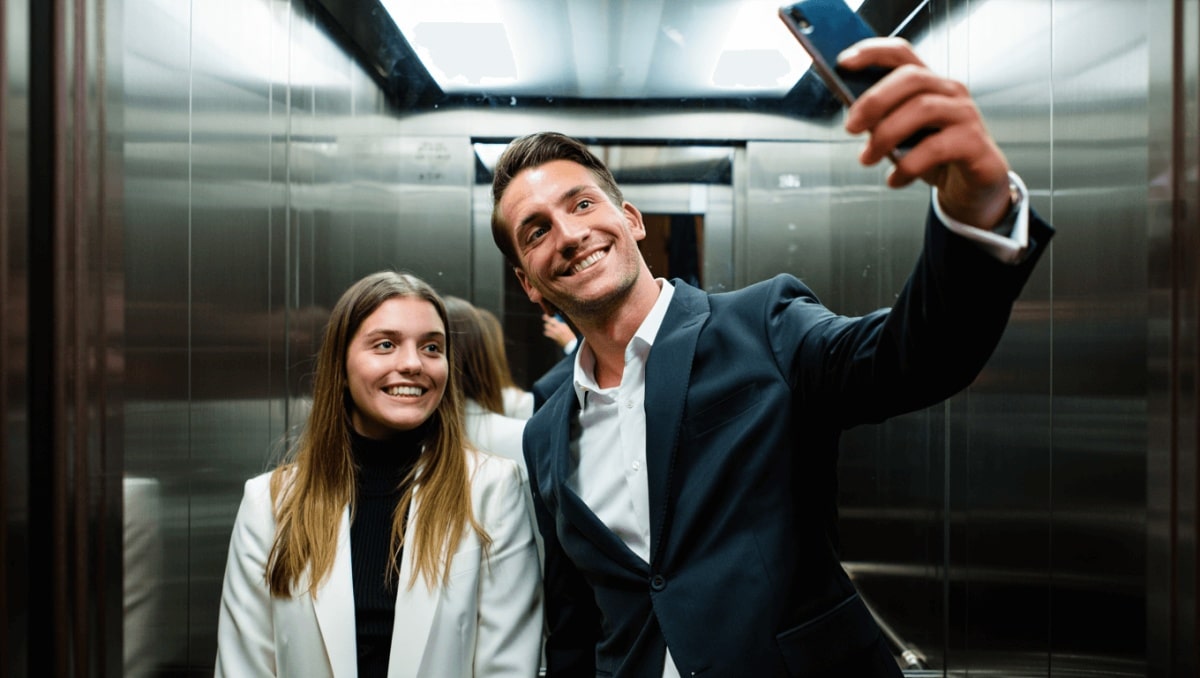
Glossy images of people posing with famous faces inside metallic elevator cabins have flooded TikTok feeds. A new wave of generative-AI features in apps like CapCut, Meitu and Google Gemini lets anyone craft a sleek “celebrity elevator selfie” in minutes.
Why AI elevator selfies are dominating TikTok
Creators are using built-in AI templates and image generators to stage short, high-gloss moments. The visual is familiar: a reflective, sterile lift, two figures angled toward an unseen camera, and a moody, slightly detached expression. That aesthetic reads as cinematic and aspirational.
Anglo-Saxon burial reveals “unprecedented” secrets: experts stunned by 1,400-year-old grave mysteries
What Your Instinctive Tree Choice Reveals About Your Personality—Experts Explain
These posts spread fast because they’re easy to make and tap into celebrity fascination. Many creators use them to provoke reactions, reshape online personas, or simply get attention. Views and likes climb quickly, which encourages more people to try the trend.
How to spot a fabricated elevator selfie
Not every polished elevator photo is real. AI leaves fingerprints. Watch for repeated visual patterns and subtle anatomical quirks.
- Matching lighting and reflections: Many fakes show the same metallic glare and symmetrical reflections that feel too uniform to be accidental.
- Stiff or similar poses: Figures often tilt their heads the same way, with neutral or mildly aloof expressions across different images.
- Facial inconsistencies: Look for odd teeth, asymmetrical ears, or hands that blur into the body.
- Background repetition: If several images use identical elevator interiors, it’s likely a generated template.
Step-by-step: Make a celebrity elevator selfie with CapCut
CapCut templates have simplified the trend into a few taps. Follow these steps to try it yourself.
- Find a trending elevator selfie clip on TikTok and tap the share menu.
- Copy the video link to your clipboard.
- Open CapCut and choose “Try this template” from the shared clip.
- Choose the AI or template option inside CapCut.
- Upload one photo of yourself and one of the public figure or character you want to include.
- Confirm and wait for CapCut to generate the combined image.
Results vary by photo quality and the app’s model. Experiment with different source images for better realism.
Other apps to try: Meitu and Google Gemini
Meitu often includes stylized portrait tools, while Google Gemini can generate images from prompts. Each tool has a different approach to lighting and detail, so creators mix and match to get their preferred look.
Creative uses, risks and best practices
Not all uses are harmless. The elevator aesthetic can be playful, but there are ethical and legal lines to consider.
- Do not falsely present public figures: Passing AI images as real photos of celebrities can mislead audiences.
- Respect privacy and consent: Avoid inserting real people into scenes without permission.
- Label AI-generated content: Transparency builds trust and reduces potential harm.
- Be mindful of deepfake laws: Some jurisdictions regulate or ban deceptive AI-generated media.
- Use it for creativity: Try fictional characters or stylized composites for safer, entertaining content.
Why the look works and where it could go next
The elevator selfie mixes glamour with ordinariness. It makes the ordinary setting feel cinematic. Expect the aesthetic to evolve as generators offer finer control and photographers remix the trend into new formats, like group shots or cinematic backdrops.