Show summary Hide summary
- Sneaker shop owner’s viral message sparks concern
- Examples of steep markdowns on sought-after models
- Both buyers and sellers are staying on the sidelines
- Industry reports point to a broader slowdown
- Why younger buyers are more vulnerable to economic shifts
- Community reaction: from sympathy to criticism
A short TikTok from a small Southern California sneaker shop has reignited a debate about whether the high-flying resale market is cooling for good. The owner’s urgent plea and the reactions it provoked point to shifts in buyer behavior, changing brand strategies, and growing economic pressure on discretionary spending.
Sneaker shop owner’s viral message sparks concern
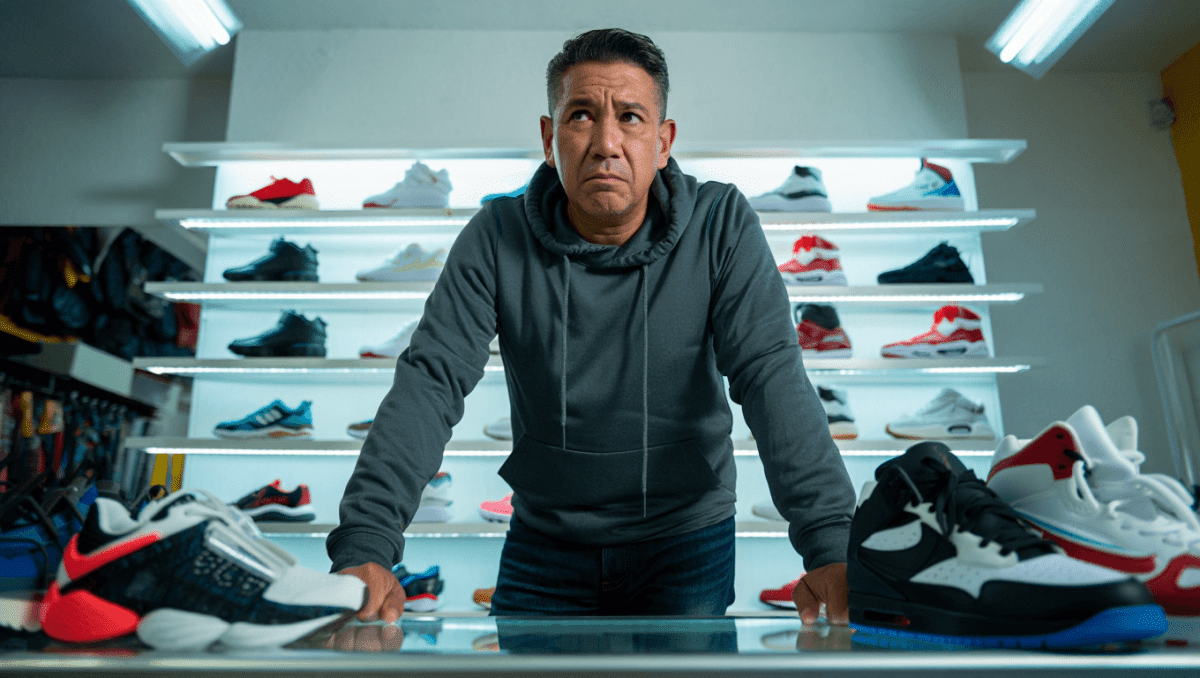
The clip, posted by the owner of Hidden Realm in Placentia, has drawn millions of views and sparked wide discussion. In it, the shopkeeper asks why interest has collapsed and shows piles of inventory priced far below what collectors once paid.
Anglo-Saxon burial reveals “unprecedented” secrets: experts stunned by 1,400-year-old grave mysteries
What Your Instinctive Tree Choice Reveals About Your Personality—Experts Explain
The video’s visibility turned a single small-business worry into a national talking point. Viewers immediately questioned whether the slump is cyclical or structural.
Examples of steep markdowns on sought-after models
The store owner walks through multiple pairs with prices cut aggressively. These examples give a snapshot of how resale premiums have narrowed.
- Yeezy model: originally $210 at retail, listed at $110 in the shop.
- Off-White Lot Dunks: once resold for $500–$600, now offered for about $320.
- Nike SB Navy: a used pair priced near $210, roughly equal to retail.
- Shattered Backboard Jordan 1: a recent release being sold under its retail tag.
- Lucky Greens and Royal Toes: Jordan 1 colorways listed below retail across the floor.
- Yellow Ocher: offered for $90 while retail sits much higher.
These discounts show resale is no longer guaranteed profit. Scarcity that once drove premiums is fading for many silhouettes.
Both buyers and sellers are staying on the sidelines
More troubling than low sales is the lack of new inventory arriving from consumers. The owner says people aren’t bringing in pairs to sell, even as secondary prices dip.
Sellers often re-enter the market when prices fall, to liquidate holdings. That rebound hasn’t materialized. The result is a market that is not just slow but stagnant.
Industry reports point to a broader slowdown
Market analysts and fashion press suggest the sneaker slump echoes a larger pullback in luxury and niche streetwear.
Key data points and analyst views
- Release premiums down: less than half of 2024 sneaker launches are selling above retail.
- Shift to lower-priced models: buyers favor budget-friendly Dunks and Sambas amid inflation.
- Luxury growth cooling: forecasts show much smaller gains for luxury brands over the next few years.
- Macro risk: firms warn that a weak economic outlook and market corrections could hurt discretionary categories.
Experts point to two main drivers: changing consumer budgets and deliberate overproduction by major brands. When companies flood stores with popular silhouettes, scarcity falls and resale margins shrink.
Why younger buyers are more vulnerable to economic shifts
Sneaker flipping is concentrated among younger consumers. That makes the segment highly sensitive to rising living costs.
High food, housing, and fuel costs reduce extra spending on collectibles. For many, sneakers move down the priority list during tight months.
At the same time, a return to broader retail distribution of hyped models erodes the exclusivity that once fueled the market.
Community reaction: from sympathy to criticism
The TikTok’s comments show a range of responses, from empathy to blunt economic realism. Many viewers tied the slump to bigger financial pressures.
- “Groceries and bills come first,” one user wrote, noting basics outrank collector culture.
- “People are strapped for cash,” another commented, calling the situation a sign of tough times.
- Some argued the culture is shifting: “Consumers are done with overconsumption.”
- Others pointed to a simpler fix: cheaper replicas now satisfy some buyers.
The debate reveals how economic strain, changing tastes, and supply choices are reshaping resale. Small shops and resellers alike are watching closely as prices and demand adjust.