Show summary Hide summary
- FAA approval marks end of Hawaiian’s separate call sign
- What Alaska promises to keep from Hawaiian
- Flight crews share intimate goodbyes online
- Why staff feel they’re losing more than a logo
- Personal accounts: gratitude and grief in equal measure
- How passengers may notice changes — and what won’t change
- Voices from TikTok: snapshots of a transition
- What this means for the airline workforce
Alaska Airlines has completed the operational takeover of Hawaiian Airlines, and the final flights under the Hawaiian call sign this week have left many crew members visibly moved. Videos and posts from flight attendants and pilots have spread across social platforms, capturing farewells to uniforms, traditions, and a carrier identity that has stood for decades.
FAA approval marks end of Hawaiian’s separate call sign
On Oct. 29, the Federal Aviation Administration gave the merged carrier permission to fly using a single call sign. That regulatory nod effectively folded Hawaiian’s operational voice into Alaska’s system.
Anglo-Saxon burial reveals “unprecedented” secrets: experts stunned by 1,400-year-old grave mysteries
What Your Instinctive Tree Choice Reveals About Your Personality—Experts Explain
This technical move follows the corporate merger announced last year. For passengers, the change is mostly invisible on booking pages, but for staff the shift signals the end of an era.
What Alaska promises to keep from Hawaiian
Company statements stress that some Hawaiian elements will remain visible to travelers. Alaska says customers will still be able to:
- Search and book flights marketed as Hawaiian Airlines.
- See Hawaiian-branded aircraft imagery and tail art in digital channels.
- Experience certain Hawaiian service touches from crew trained in ho‘okipa hospitality.
Still, the operational consolidation means the distinct radio identity, known to aviation crews as the HA call sign, will no longer be used.
Flight crews share intimate goodbyes online
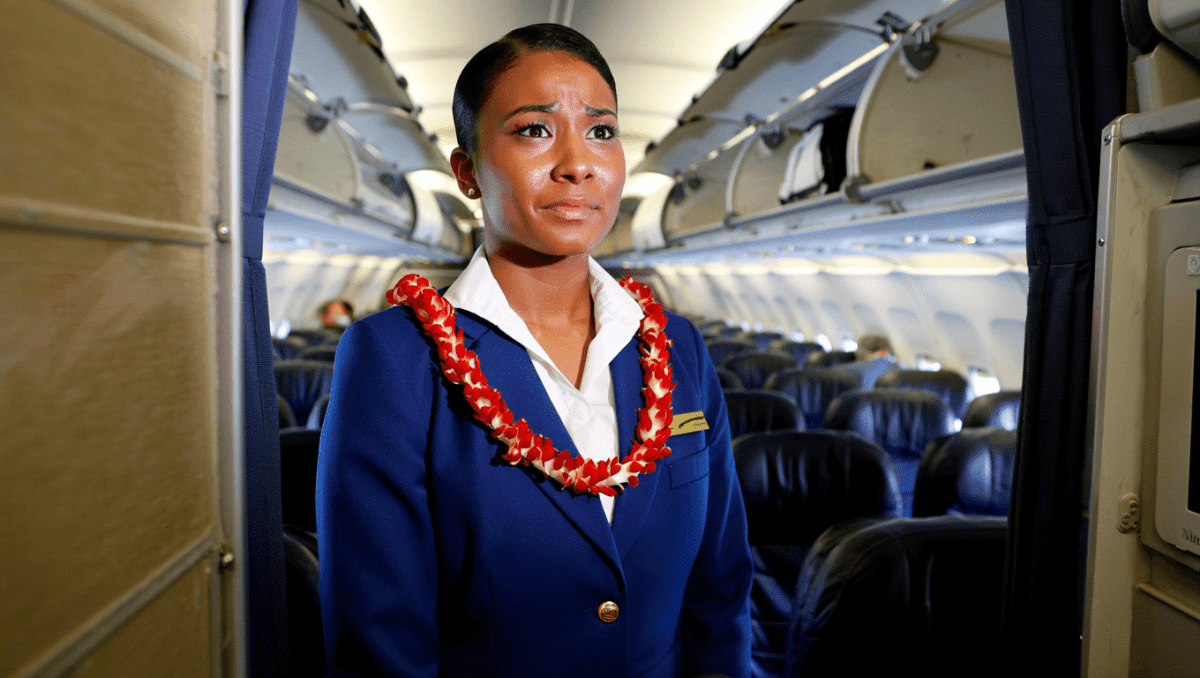
Employees recorded their last days in Hawaiian uniforms and posted them to TikTok and other platforms. Those clips show a mix of pride, nostalgia, and sadness.
Scenes from the gate and cabin
- A flight attendant films himself buttoning a blue Hawaiian shirt and making a final gate announcement under the Hawaiian name.
- A pilot documents team photos and pins, calling the day the highlight of a career and vowing to carry the airline’s spirit forward.
- Another attendant fights back tears while giving the last boarding call under Hawaiian branding, months before the full transition.
Why staff feel they’re losing more than a logo
For many employees, Hawaiian Airlines stood for community and cultural connection. The carrier’s identity has roots in local traditions, language, and decades of service in the islands.
Some crew members describe the change as not only operational, but cultural. They say the move strips a visible part of a 95-year-old legacy.
Comments shared online include sorrow and gratitude. One attendant wrote that, although the call sign is gone, the airline’s spirit remains embedded in its people.
Personal accounts: gratitude and grief in equal measure
Several crew members used captions and short monologues to explain their feelings. Common themes include:
- Thankfulness for careers spent with Hawaiian.
- Hurt over losing a distinct brand tied to community identity.
- Hope that Hawaiian traditions will survive within the larger airline.
“Mahalo,” appears repeatedly in posts, a Hawaiian word for thanks that staff use to honor the airline’s past.
How passengers may notice changes — and what won’t change
Travelers should expect the following:
- Booking engines may continue to list Hawaiian flights and show Hawaiian imagery.
- Aircraft may still display Pualani tail art or branding for a period.
- Air traffic and operational communications will use Alaska’s single call sign.
Alaska has emphasized continuity in passenger-facing aspects, even as it consolidates backend systems and radio communications.
Voices from TikTok: snapshots of a transition
The short-form videos that circulated capture private moments and public announcements. They served as a digital archive of final shifts, uniform fittings, and last boarding calls.
Some posts include brief, reflective captions. Others pair archival footage with music, creating poignant montages that resonated with both colleagues and customers.
What this means for the airline workforce
Employees face practical and emotional shifts. Operational standardization often brings new procedures, training, and branding guidelines.
- Expect updated communications protocols for pilots and dispatchers.
- Cabin crew may receive new uniform elements over time.
- Internal training will align service standards across the merged carrier.
Beyond logistics, workers are navigating identity questions tied to place and history, and many remain vocal about preserving Hawaiian culture within the combined airline.