
Show summary Hide summary
- Settlement details: what the agreement means for consumers and payouts
- Why the class action was filed: the recyclability dispute explained
- How recycling actually works for K‑Cups and why confusion arose
- Public reaction: customers voice frustration and change habits
- Steps consumers should take now to protect their rights
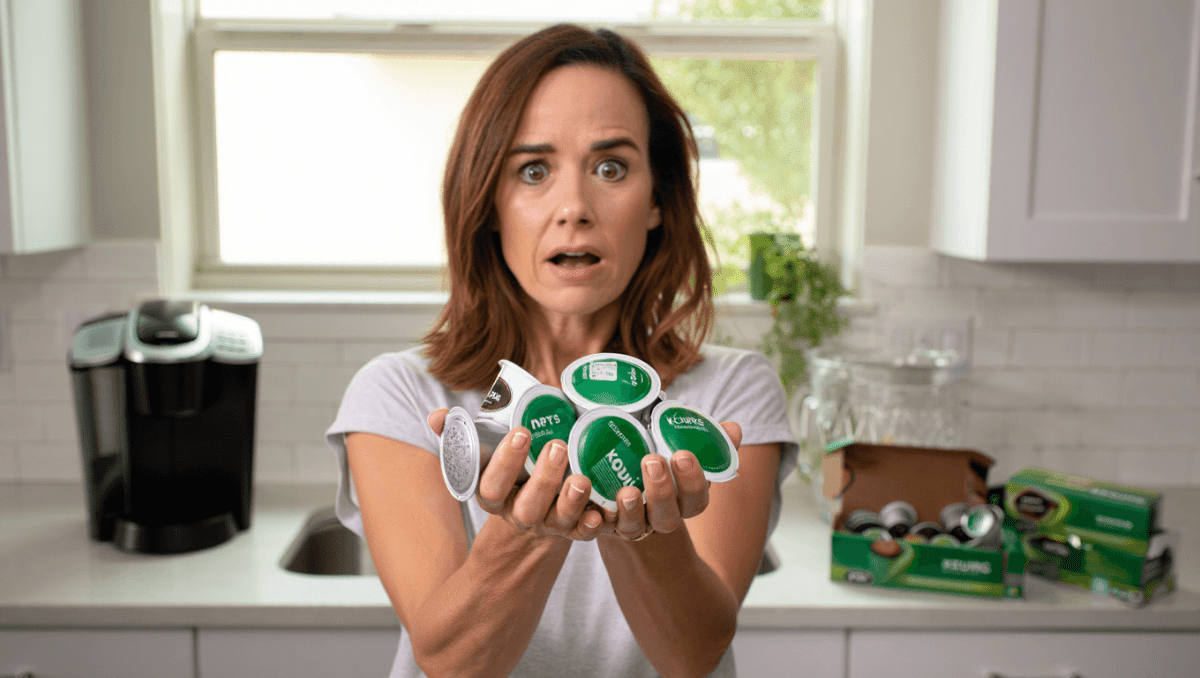
Keurig will send payments to Canadian buyers after a court challenge found the brand’s recycling guidance for single‑use pods misleading. The ruling could affect anyone who bought K‑Cups or a Keurig machine in Canada since mid‑2016.
Settlement details: what the agreement means for consumers and payouts
A proposed class‑action settlement requires Keurig to pay up to $1.85 million in Canada. Eligible consumers may receive as much as $50 per person, subject to court approval.
Anglo-Saxon burial reveals “unprecedented” secrets: experts stunned by 1,400-year-old grave mysteries
What Your Instinctive Tree Choice Reveals About Your Personality—Experts Explain
- Who qualifies: buyers of K‑Cups or Keurig machines in Canada from June 8, 2016 to today.
- Approval timeline: the court will consider the settlement in December.
- How to claim: a claim portal will open once the court signs off on the deal.
The settlement offers a simplified path for refunds rather than individual lawsuits. Consumers should watch the official settlement website for claim deadlines and documentation requirements.
Why the class action was filed: the recyclability dispute explained
Plaintiffs argued Keurig gave consumers a false impression that K‑Cups were universally recyclable. The core issue is a mismatch between Keurig’s packaging claims and some municipal recycling rules.
- Issue: Some local programs do not accept the small, mixed‑material pods.
- Regulatory action: Canada’s Competition Bureau fined the company in 2022.
- Related U.S. action: the Securities and Exchange Commission filed charges last year for similar statements.
Keurig maintains the pods are recyclable in many places and says it is working with partners to improve collection and processing.
How recycling actually works for K‑Cups and why confusion arose
Recycling of single‑serve coffee pods varies by community. Acceptance depends on local sorting systems and whether a program accepts small or mixed plastics.
- Common hurdles: pods contain multiple materials that must be separated.
- Extra steps: some programs ask consumers to rinse, remove labels, or drop pods at special facilities.
- Practical result: in many areas, following Keurig’s label still won’t allow curbside recycling.
Consumers were left with mixed messages—product labels suggested recyclability, while municipal rules told a different story.
Public reaction: customers voice frustration and change habits
The legal actions have prompted sharp responses online and among shoppers. Many users said they feel misled and are reconsidering single‑use pods.
- Backlash included calls to stop buying pods because of excess waste.
- Some argued fines are treated as a business cost and won’t change corporate behavior.
- Others noted many people have already switched to reusable or alternative brewing methods.
Comments ranged from skepticism about corporate sustainability claims to relief that some redress may be available for affected buyers.
Steps consumers should take now to protect their rights
If you purchased K‑Cups or a Keurig machine during the eligibility window, prepare to act once the settlement is approved.
Practical checklist
- Monitor the official settlement website for claim forms and deadlines.
- Gather proof of purchase like receipts or bank statements where possible.
- Note the purchase period: items bought on or after June 8, 2016 may qualify.
- Keep an eye on the court date in December for final approval news.