
Show summary Hide summary
- White House posts retro “MySafeSpace” page as shutdown continues
- Visual style and nostalgia: how the spoof mimics early social media
- Mock sections: “Top friends,” biography and contact prompts
- Political claims and legal context behind the messaging
- Online reaction: ridicule, outrage and questions about spending
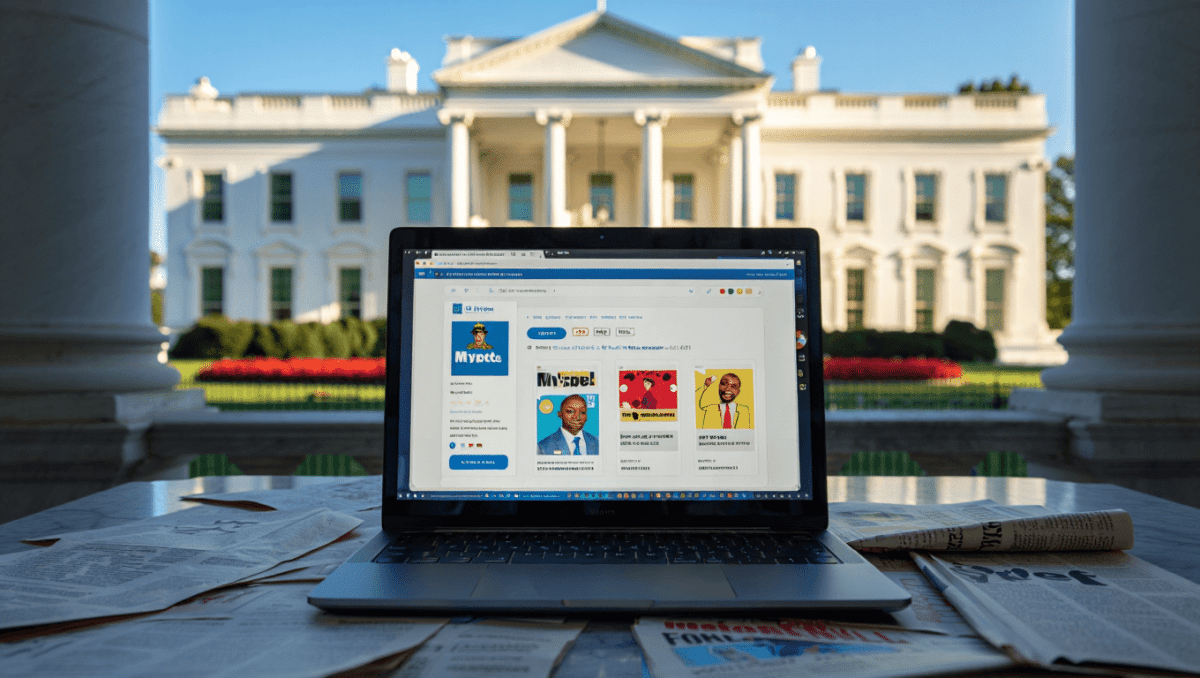
The White House surprised many this weekend by publishing a retro, Myspace-style parody page on its official site. The cheeky mock-up singles out top Democrats and quickly went viral, reigniting debate over who is responsible for the continuing government shutdown.
White House posts retro “MySafeSpace” page as shutdown continues
Anglo-Saxon burial reveals “unprecedented” secrets: experts stunned by 1,400-year-old grave mysteries
What Your Instinctive Tree Choice Reveals About Your Personality—Experts Explain
The page, labeled MySafeSpace, appeared on the White House website while the shutdown entered its second month. It frames the shutdown as the result of Democratic obstruction and features images and copy that lampoon Senate Minority Leader Chuck Schumer and House Minority Leader Hakeem Jeffries.
Officials running the administration’s message argued the page underscores a GOP claim: Senate Democrats declined to support a stopgap spending measure that Republicans said would reopen federal agencies.
Visual style and nostalgia: how the spoof mimics early social media
The design intentionally echoes mid-2000s social profiles. A repeated sombrero pattern fills the background and the profile photo pairs Schumer and Jeffries, with graphical additions to mock their appearance.
- Retro layout and loud background image.
- Profile photo modified with humorous elements.
- Sections labeled like old social pages: blog entries, music links, and a contacts area.
Music, links and a pointed “voting record” reference
The page included a link to a popular rock song’s official video and another link to media coverage alleging that Senate Democrats repeatedly blocked funding bills. Those links steer visitors toward the administration’s narrative about who slowed passage of spending legislation.
Mock sections: “Top friends,” biography and contact prompts
The spoof borrows classic social features to lampoon political opponents. One area lists a satirical “Top 8 Friends,” pairing public figures with teasing images. Another section mimics an About Me box, casting Democrats in an exaggerated, negative light.
- “Top 8” entries pair names with edited photos.
- An About Me section uses inflammatory, caricatured language.
- A contact image links to a pre-filled email to Schumer and Jeffries urging them to reopen the government.
Pre-written email and direct calls to action
Clicking a contact graphic opens the visitor’s mail client with a subject line urging leaders to reopen the government. The body of the message is pre-populated to prompt direct public outreach.
Political claims and legal context behind the messaging
The parody repeats GOP talking points that Democrats refused to back a funding plan. It also ties objections to immigration-related policy changes, a point of contention in budget negotiations.
Republicans argued Democrats sought concessions related to benefits for undocumented immigrants. Federal law, however, has limits on who can receive many federal health benefits, complicating the claims.
The page also nods to earlier partisan accusations about the use of an autopen to sign documents, referencing controversies tied to the administration.
Online reaction: ridicule, outrage and questions about spending
The spoof spread quickly across social platforms. Users questioned whether tax dollars were used to produce the page and criticized the White House for prioritizing a parody over governing tasks.
- Some posts accused the administration of wasting public funds on a stunt.
- Others said the gimmick made officials look unserious at a tense moment.
- A number of commentators mocked the decision to reference an outdated social platform as a campaign tactic.
Responses ranged from scorn to bemused commentary, and the page became a talking point for both critics and supporters as the shutdown stalemate continued to dominate headlines.