Show summary Hide summary
- How the Sephora holiday ad spread across social feeds
- Why viewers read the ad as a comment on work and healthcare
- Reactions on TikTok and calls for a boycott
- What public figures and creators contributed to the conversation
- Responses from media outlets and the brand
- Why the timing and tone resonated with audiences
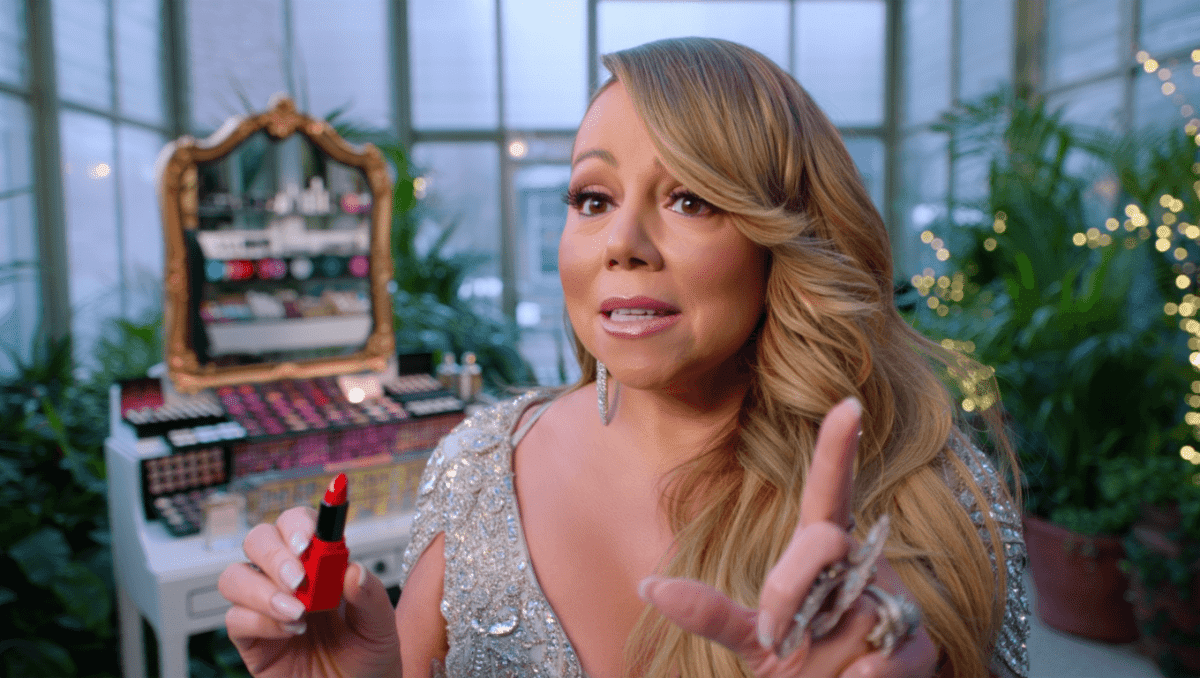
Mariah Carey’s latest holiday spot for Sephora has become an internet moment — and not everyone is laughing. The short ad, which mixes festive spectacle with celebrity cameo, exploded on TikTok and quickly sparked debate about whether its humor misses the mark amid today’s economic and labor concerns.
How the Sephora holiday ad spread across social feeds
The clip, posted to Mariah Carey’s official channels, amassed massive attention within days. It crossed the 100 million views mark on TikTok, driven by shares and reactions from high-profile creators. The premise is simple and cinematic: Carey confronts a mischievous elf, played by comedian Billy Eichner, who is seen slipping away with luxury beauty items from a Sephora display.
Anglo-Saxon burial reveals “unprecedented” secrets: experts stunned by 1,400-year-old grave mysteries
What Your Instinctive Tree Choice Reveals About Your Personality—Experts Explain
The elf declares a kind of holiday revolt and jokes about using the proceeds for his own wellbeing. Carey then stops him in a fantastical twist, transforming the character into a snow figure and delivering a wink to her signature persona.
Why viewers read the ad as a comment on work and healthcare
Many users saw more than a gag. They interpreted the elf’s “strike” and comments about therapy as a metaphor for real-world struggles. Viewers connected the ad to ongoing debates over wages, union actions, and rising medical expenses.
Key themes raised by the audience
- Labor solidarity and the optics of mocking strikes.
- Healthcare affordability and mental health costs framed as a punchline.
- Perceived disconnect between luxury brands and everyday hardships.
Creators pointed out that recent changes in health coverage and inflation have left many Americans vulnerable. That context amplified the reaction to the commercial for some.
Reactions on TikTok and calls for a boycott
Responses ranged from sharp criticism to bemused defense. A number of trending videos argued the ad was tone-deaf. Others urged followers to reconsider spending at Sephora.
- Some viewers described the spot as mocking people who are struggling economically.
- Others said the commercial felt out of step with the season’s usual message of modesty.
- A portion of the audience defended the ad as lighthearted and not intended to be political.
Comments clustered around two threads: those who saw an intentional jab at workers and those who felt critics were overinterpreting a holiday sketch.
What public figures and creators contributed to the conversation
Several influencers posted viral responses that broadened the discussion. Their videos repurposed clips of the ad while adding commentary about corporate behavior and economic pressure.
- Some creators framed the ad as emblematic of corporate indifference.
- Others emphasized the gap between celebrity luxury marketing and everyday realities.
Responses from media outlets and the brand
News organizations and social platforms amplified the debate. Journalists and commentators noted the ad’s timing and the broader cultural backdrop of labor activism.
Outlets have reached out to Sephora and to creators for comment. At the time of reporting, public statements from the brand addressing the controversy were limited.
Why the timing and tone resonated with audiences
The spot landed during a season when many consumers feel economic strain. That made a comic take on an elf’s “revenge” read differently for some viewers.
Using festive imagery to sell high-end goods also struck some as contradictory to the song Mariah Carey made famous, which many associate with a simple, sentimental holiday spirit.
Meanwhile, the ad’s light comedic twist — transforming an elf into a snowman — split opinions. For some it was harmless holiday fantasy. For others it highlighted a widening cultural divide between elite branding and everyday concerns.