Show summary Hide summary
A playful clip of people looping sunglasses around their waists has become one of TikTok’s most talked‑about moments — not for humor, but for the heated debate it ignited about body image online. The trend, which spread quickly after a reality TV star tried it, split users into camps and forced platforms to step in.
How the sunglasses-waist challenge spread across TikTok
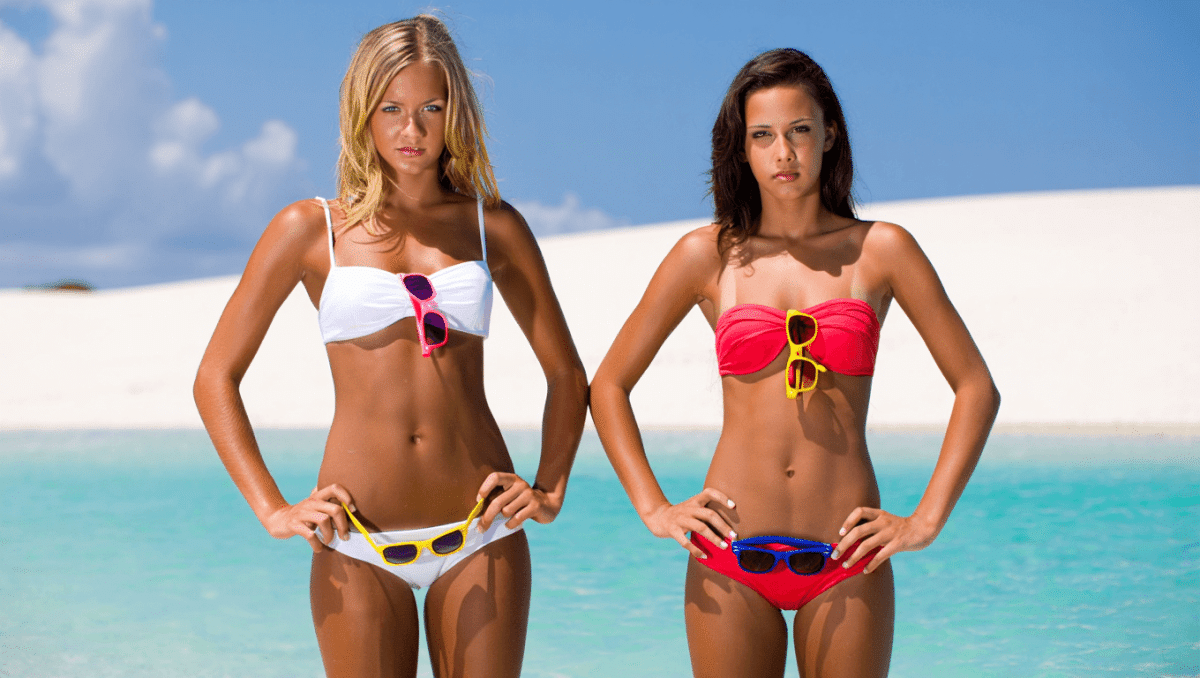
The trend uses the beat of Sir Mix-A-Lot’s song “Bark Like You Want It.” Creators place the temples of their sunglasses on either side of their ribcage. The clip format is simple, visual, and easy to copy.
Anglo-Saxon burial reveals “unprecedented” secrets: experts stunned by 1,400-year-old grave mysteries
What Your Instinctive Tree Choice Reveals About Your Personality—Experts Explain
A wider audience noticed the stunt when a Love Island alum took part. That clip racked up views and inspired countless recreations, boosting the challenge into mainstream attention.
- Short, repeatable format made it viral.
- Celebrity participation increased visibility.
- Reposts across X, Instagram and Reddit amplified reactions.
Why many critics call the trend harmful to body acceptance
Observers say the challenge encourages constant body checking. Instead of celebrating diversity, critics argue it promotes comparison.
Several trends and industry shifts have already strained body inclusivity. Some creators note fewer inclusive clothing options and less work for plus-size models.
- Body checking can normalize narrow size ideals.
- Retail and marketing moves have reduced visibility for larger sizes.
- Medical weight‑loss drugs and diet culture intensify anxieties.
For many, the sunglasses stunt felt like a step backward in the fight for broader representation.
Public reactions: from outrage to defense
Responses ranged from calls to condemn the trend to defenses insisting it’s harmless fun. The conversation quickly became polarized online.
Types of reactions you saw
- Direct criticism arguing the clip normalizes thinness and could harm those with eating disorders.
- Supporters saying the act is playful and not meant to exclude anyone.
- Voices pointing to race and influence: some argued backlash targeted a person of color unfairly.
- Nuanced takes noting harm regardless of the creator’s race or intent.
Comment threads and posts blended personal testimony, cultural analysis, and calls for platform responsibility. Some users urged creators to consider their influence before posting.
Platform response and the creator’s follow-up
TikTok placed an eating disorder resource notice on searches for the challenge and removed the original clip from its feed. The move aimed to direct vulnerable users to support services.
The creator who popularized the challenge later addressed the backlash. She affirmed support for all body types and said she did not intend to promote a single standard of beauty.
- Platform action: content flagged and support links added.
- Creator response: message emphasizing inclusivity and clarification of intent.
- Community impact: the debate continued across social channels.