Show summary Hide summary
- How the Bearista cup became the must-have holiday item
- Video of a store confrontation goes viral
- Starbucks responds to shortages and customer frustration
- Public reaction: from amusement to criticism
- Resellers, scarcity and the economics of a viral product
- What customers are saying in-store
- How the craze could shape future holiday drops
Starbucks’ new holiday “Bearista” cold cup has ignited a buying frenzy that’s spilling into stores and social feeds. Shoppers raced to snag the collectible, lines formed at dawn, and a viral video shows tempers flaring when scarcity collided with hype.
How the Bearista cup became the must-have holiday item
Starbucks dropped its holiday collection on Nov. 6, 2025, and one item dominated attention: the limited-edition Glass Starbucks Bearista Cold Cup. Priced at $29.95, it quickly vanished from shelves.
Anglo-Saxon burial reveals “unprecedented” secrets: experts stunned by 1,400-year-old grave mysteries
What Your Instinctive Tree Choice Reveals About Your Personality—Experts Explain
- High demand: Many coffeehouses received only a handful of cups.
- Supply gaps: Some locations reported no shipment at all.
- Resale spike: Listings on resale sites jumped, with some offers topping $500.
Video of a store confrontation goes viral
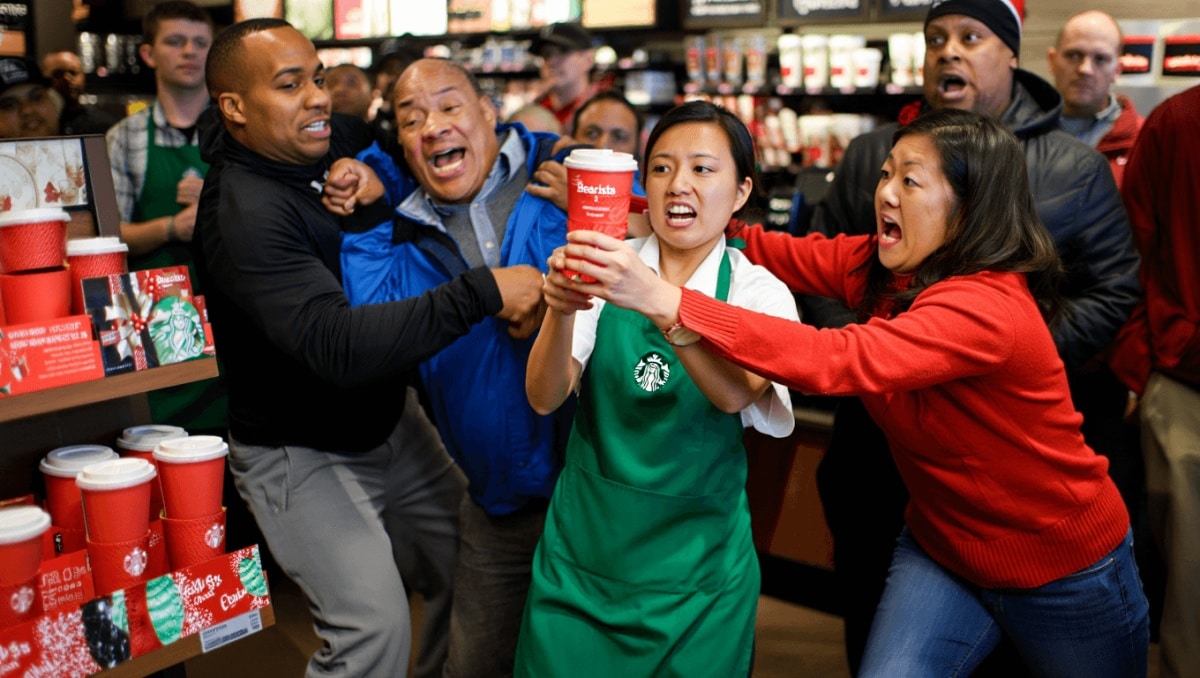
A confrontation recorded at a New Jersey Starbucks captured the public’s attention. TikTok user Jeriana Ricciardi uploaded footage showing a physical altercation over the cups.
What happened in Roseland
The clip was shot at a Starbucks on Eisenhower Parkway in Roseland, N.J. Witnesses say customers surged inside when doors opened.
- Only two Bearista cups were reportedly available at that store.
- A customer who had waited overnight was among those first in line.
- Conflict erupted when another patron tried to move ahead to claim a cup.
Ricciardi later told reporters that the rush and the limited quantity helped spark the scuffle.
Starbucks responds to shortages and customer frustration
Company officials acknowledged the shortage and offered an apology for the disruption. In a message to the press, Starbucks said the holiday item performed beyond expectations.
Starbucks emphasized that they shipped more of the Bearista cup than nearly any other seasonal product, but demand outpaced availability and many stores sold out quickly.
Public reaction: from amusement to criticism
Social media split between disbelief and amusement as clips and comments circulated.
- Some users mocked adults fighting over a collectible cup.
- Others pointed to aggressive reselling as a symptom of modern consumer culture.
- A number of posts criticized customers who pressured baristas; one account said an employee was made to cry.
Tweets and comments capturing the mood
Voices on Twitter framed the craze in broader terms. One user noted the contrast between people paying hundreds for a cup and many Americans living paycheck to paycheck. Another observed that brands can create intense desire for low-cost items through marketing.
Resellers, scarcity and the economics of a viral product
Collectors and resellers reacted quickly. Limited stock plus viral attention created a classic supply-and-demand spike.
- Some buyers listed cups on auction and resale platforms at steep markups.
- Collectors said rarity and holiday packaging drive value.
- Critics called the trend a sign of excessive consumerism.
What customers are saying in-store
Reports from multiple locations describe long waits and occasional frustration. Some customers camped out for hours or overnight hoping to secure the cup.
- Lines that began before dawn were common in busier markets.
- Store staff faced pressure as stock dwindled within minutes.
- Claims of staff hoarding were made in some places, prompting local complaints.
How the craze could shape future holiday drops
Retailers will likely watch this episode closely. Limited releases that go viral can boost brand buzz but also risk alienating customers and straining store teams.
- Companies may rethink distribution plans for high-demand items.
- Shoppers might shift to online queues or authorized resale channels.
- Community response could prompt stricter in-store controls during future launches.