
Show summary Hide summary
- Footage shows linens submerged in a guest spa at Expressway Suites
- Hotel staff offer explanation as local officials weigh in
- Public outcry and social media reactions
- Health and hygiene risks experts point out
- How travelers are responding and precautions to consider
- Broader implications for hotel standards and guest trust
A viral video out of Fargo has travelers talking after a hotel employee was recorded dropping stained bed linens into a bubbling guest hot tub. The footage, shot at an Expressway Suites property, ignited a storm of online outrage and renewed questions about hotel cleaning standards.
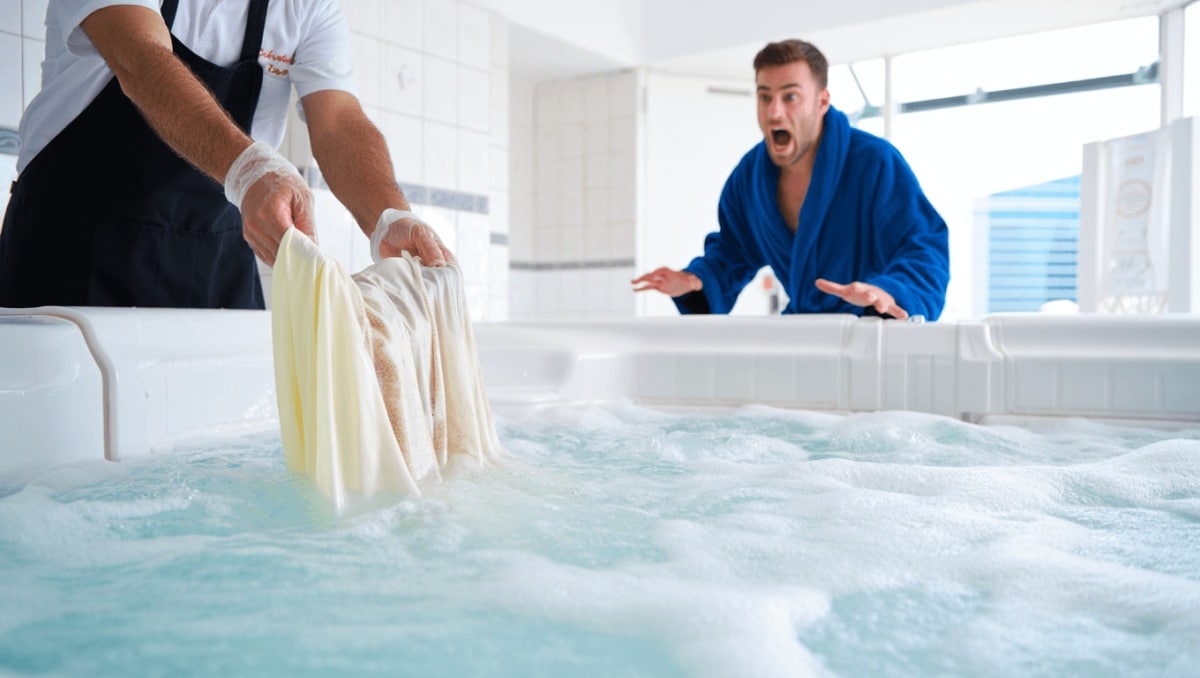
Footage shows linens submerged in a guest spa at Expressway Suites
The clip surfaced online this week and quickly circulated across social platforms. It captures an employee placing piles of sheets into a heated, chlorinated spa and stirring them. Onlookers who filmed the scene said they were stunned to see bedding treated in the same water used by guests.
Anglo-Saxon burial reveals “unprecedented” secrets: experts stunned by 1,400-year-old grave mysteries
What Your Instinctive Tree Choice Reveals About Your Personality—Experts Explain
Viewers described the moment as unsettling and unsanitary. Some guests said they left the property immediately after watching the video.
Hotel staff offer explanation as local officials weigh in
Staff description of the practice
An unnamed worker told reporters the hotel uses the hot tub as a last-resort spot to help lift stubborn stains. According to that employee, linens are first laundered and then briefly soaked in the spa before it is drained and professionally sanitized.
The worker said the hot tub is then cleaned by a powerful deep-cleaning machine, and that management does not intend guests to witness the procedure.
Management response and investigation
Hotel leaders later characterized the method as an infrequent emergency measure. They said they will consult city health authorities to determine whether the practice breaches local codes.
Authorities and health inspectors were reported to be contacted after the video gained attention.
Public outcry and social media reactions
The recording prompted strong reactions online. Many commenters urged caution and questioned how widespread similar practices might be in the lodging industry.
- Some users warned others never to use commercial hot tubs, citing safety and cleanliness concerns.
- Others shared personal stories about hotel laundry processes that left them distrustful of public bedding.
- Several viewers speculated that other properties may follow the same shortcut, calling for inspections.
Health and hygiene risks experts point out
Public health specialists say using a hot tub to soak linens is problematic. Spa water is treated for short-term sanitation, not fabric laundering.
- Filtration systems are not designed to remove organic matter from textiles.
- Chemical disinfectants in spa water can interact with detergent residues unpredictably.
- Soaking contaminated sheets in shared water raises cross-contamination risks.
Health officials typically recommend laundering linens in commercial washers with proper detergents and temperatures.
How travelers are responding and precautions to consider
The incident has prompted some travelers to change habits and bring personal bedding on trips. Others say they will avoid hotel hot tubs and pools until they see proof of proper protocols.
- Ask hotel staff about their linen-handling and laundry practices before booking.
- Inspect pool and hot tub areas on arrival; if closed or visibly unclean, report it.
- Consider carrying a pillowcase or travel sheet if you have strong concerns.
- Report questionable cleaning methods to local health departments or consumer agencies.
Broader implications for hotel standards and guest trust
Incidents like this have ripple effects on industry reputation. Even isolated events can erode confidence and prompt calls for clearer regulations.
Many consumers now expect transparency about how hotels clean and disinfect linens. Public pressure may push more properties to publish their cleaning protocols and undergo regular inspections.