Show summary Hide summary
Bob Iger’s recent comments about bringing generative AI to Disney+ set off a storm online. Creators, fans and industry observers reacted fast and loudly. The proposal touches on sensitive issues: art, jobs and the future of a platform that millions subscribe to for human-made stories.
What Bob Iger announced about AI on Disney+
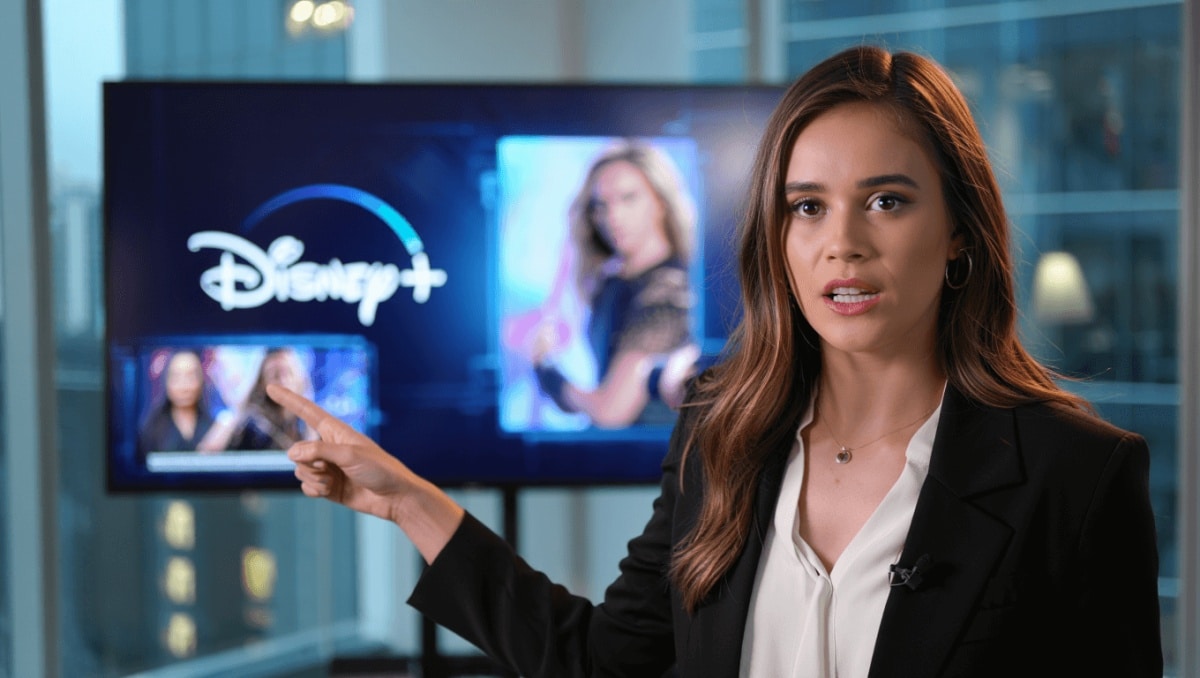
On the company’s latest earnings call, Disney’s CEO said the streaming service could soon offer tools that let subscribers make AI-driven content. He framed the move as a way to boost engagement and give users new creative options.
Anglo-Saxon burial reveals “unprecedented” secrets: experts stunned by 1,400-year-old grave mysteries
What Your Instinctive Tree Choice Reveals About Your Personality—Experts Explain
Iger mentioned possible partnerships with artificial-intelligence companies to add large language model features to the platform. He did not share a timeline or technical specifics. The announcement was short on details but clear on intent: Disney is exploring ways to integrate AI into the Disney+ experience.
For many viewers and creators, that single sentence sparked deep concern.
Why many creators and viewers object
The reaction focused on two central fears. First, that AI tools will replace the human talent who write, animate and perform. Second, that the quality and authenticity of art will suffer when content is assembled by machine models.
- Job security: Creatives worry about layoffs and fewer paid opportunities.
- Artistic integrity: Fans fear beloved styles could be replicated or diluted by algorithms.
- Copyright and credit: There is anxiety over how training data is sourced and whether original artists will be compensated.
- Platform economics: Critics suspect AI-generated content could be a cost-saving substitute for licensed or commissioned work.
A recent industry study cited in public debate linked shifts in AI adoption to thousands of lost positions. That research has been used to underline the economic stakes.
Prominent artists and social pushback
Several high-profile creators publicly denounced the idea. One animated series creator urged fans to abandon Disney+ if the company moved forward. She encouraged supporters to keep making and sharing original art instead of paying for an AI-driven substitute.
Across social platforms, responses ranged from anger to organizing. Many users called for unsubscribes. Others recommended redistributing work independently. The common theme was a demand for human storytelling to remain central.
- Some posts framed the issue as an existential threat to craft and tradition.
- Others focused on practical outcomes, like lost wages and fewer jobs in animation and writing.
- A number of voices urged collective action to pressure platforms and studios.
How this fits into a broader entertainment trend
Disney is not alone in experimenting with AI. The industry has already seen AI-generated music and even virtual performers. Those developments have intensified debates about ethics and labor.
Advocates argue AI can democratize creativity. Skeptics point to examples where tools recycled existing artists’ work with little accountability. The tension is widening as studios look for new engagement strategies and cost efficiencies.
Evidence of disruption so far
- Reports of layoffs and role changes across entertainment companies.
- High-profile disputes over AI-generated songs and synthetic likenesses.
- Public campaigns by creators demanding rights protections and fair compensation.
What creators and platforms might do next
Industry responses could take several forms. Some ideas are already floating in the debate.
- Clearer licensing rules for training data and AI outputs.
- Revenue-sharing or royalty schemes for artists whose work informs models.
- Opt-in systems where creators consent to AI use of their material.
- Hybrid workflows that keep humans central to creative decisions.
Policy makers, unions and advocacy groups may press for regulations that protect workers. Platforms could also introduce guardrails that prioritize credit and transparency.
Questions still unanswered
- How will Disney define “user-generated” when AI reshapes the work?
- Who owns the output created by a subscriber with AI tools?
- Will creators be able to opt out of having their work used to train models?
- How will platforms verify that AI outputs do not infringe existing copyrights?
These are technical and legal issues that will affect creators, audiences and corporate strategy alike. The debate is just beginning, and the coming weeks may reveal whether Disney’s plans evolve or prompt sharper industry rules.