
Show summary Hide summary
- Where you can use a passport in Apple Wallet right now
- How Apple describes the security of Wallet IDs
- Major privacy and safety concerns flagged by experts
- Civil liberties groups weigh in on broader implications
- Who might be left out by a digital-ID shift
- Voices online: skepticism, anger, and jokes
- Practical tips for travelers considering Wallet passports
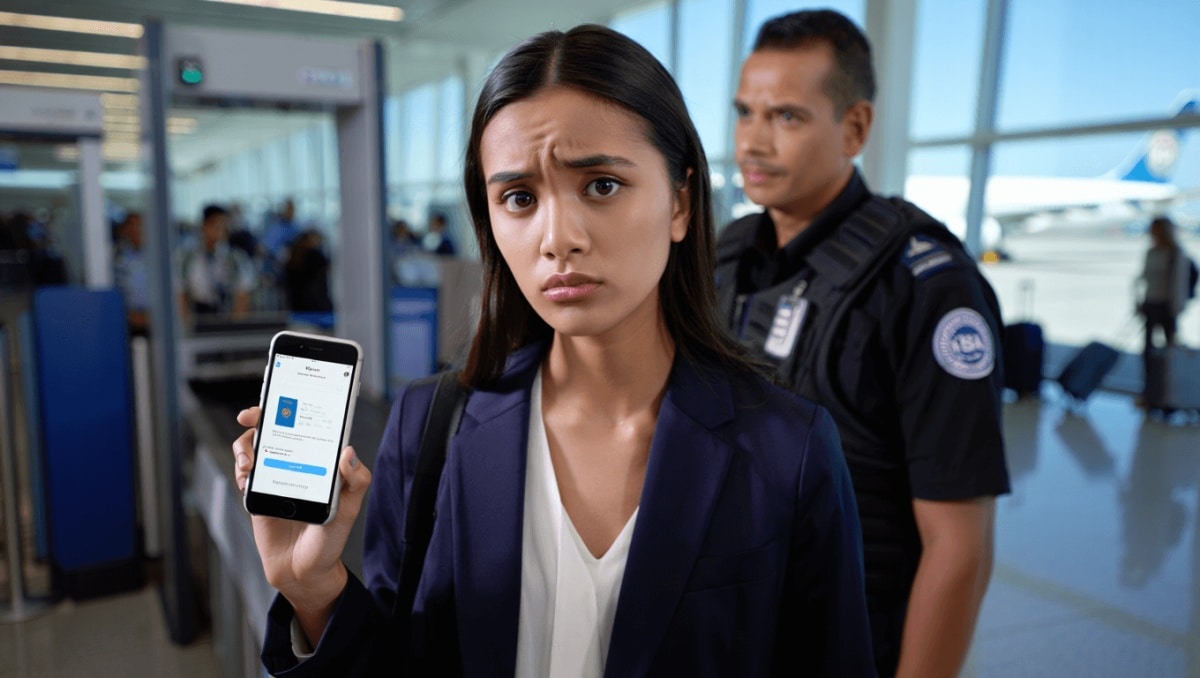
Apple’s latest iPhone update now lets U.S. travelers add passport information to Apple Wallet for use at some domestic airport checkpoints. The rollout promises speed and convenience, but it has also reignited debates over privacy, corporate control, and fairness in access to vital ID systems.
Where you can use a passport in Apple Wallet right now
The Transportation Security Administration says the Wallet passport option is accepted at select airports in 11 states and territories. Those locations include Arizona, California, Colorado, Georgia, Hawaii, Iowa, Maryland, Montana, New Mexico, Ohio, and Puerto Rico.
Anglo-Saxon burial reveals “unprecedented” secrets: experts stunned by 1,400-year-old grave mysteries
What Your Instinctive Tree Choice Reveals About Your Personality—Experts Explain
Apple markets the feature as a time-saver at TSA screening lanes. Officials and the company emphasize a streamlined process for travelers who opt in.
How Apple describes the security of Wallet IDs
Apple maintains the passport upload is protected by its existing device security layers. The company points to encryption, biometric locks, and on-device processing as safeguards.
Apple frames the feature as both private and practical. The firm says sensitive data stays under user control and only transfers when authorized.
Major privacy and safety concerns flagged by experts
Researchers and digital-rights groups warn that storing passport data on phones creates new attack surfaces.
- Risk of hacking: Phones can be targeted by criminals seeking identity data.
- Surveillance dangers: Corporations could link IDs to location, purchase history, and other profiles.
- Single point of failure: A breach, subpoena, or system error could expose many users at once.
One nonprofit warned that credentials introduced for airport use could later be pressed into other services, from banking to employment checks.
Civil liberties groups weigh in on broader implications
Advocates argue the shift toward digital credentials affects legal protections and everyday interactions.
Some researchers note that routine smartphone ID checks could change how police and authorities conduct searches. Others point to the need for clearer statutory limits if phones become central to identity verification.
Who might be left out by a digital-ID shift
Access is a major concern. Studies show many older adults and lower-income households lack modern smartphones.
Mandating digital IDs could deepen existing inequalities by making travel or services harder for people without compatible devices.
Voices online: skepticism, anger, and jokes
Social media users reacted strongly. Many expressed distrust of handing passport data to a single tech company.
- Some warned that an optional feature could become effectively mandatory over time.
- Others feared corporate tracking and loss of control over personal data.
- Many joked about the risk of data breaches and identity theft after uploading sensitive documents.
Practical tips for travelers considering Wallet passports
- Check whether your departure and arrival airports accept Wallet IDs.
- Keep a physical passport available as a backup.
- Review device security: enable strong passcodes and biometrics.
- Understand opt-in settings and how to remove credentials from your device.
- Watch for policy changes that could expand how digital IDs are used.