Show summary Hide summary
- What the viral “fake spit-up” prank looks like
- How people react in the videos — patience, panic, and ruined clothes
- How audiences and creators framed the stunt online
- Ethical and safety concerns critics raise
- Safer alternatives and smarter ways to test compatibility
- Moderation and platform response to viral prank content
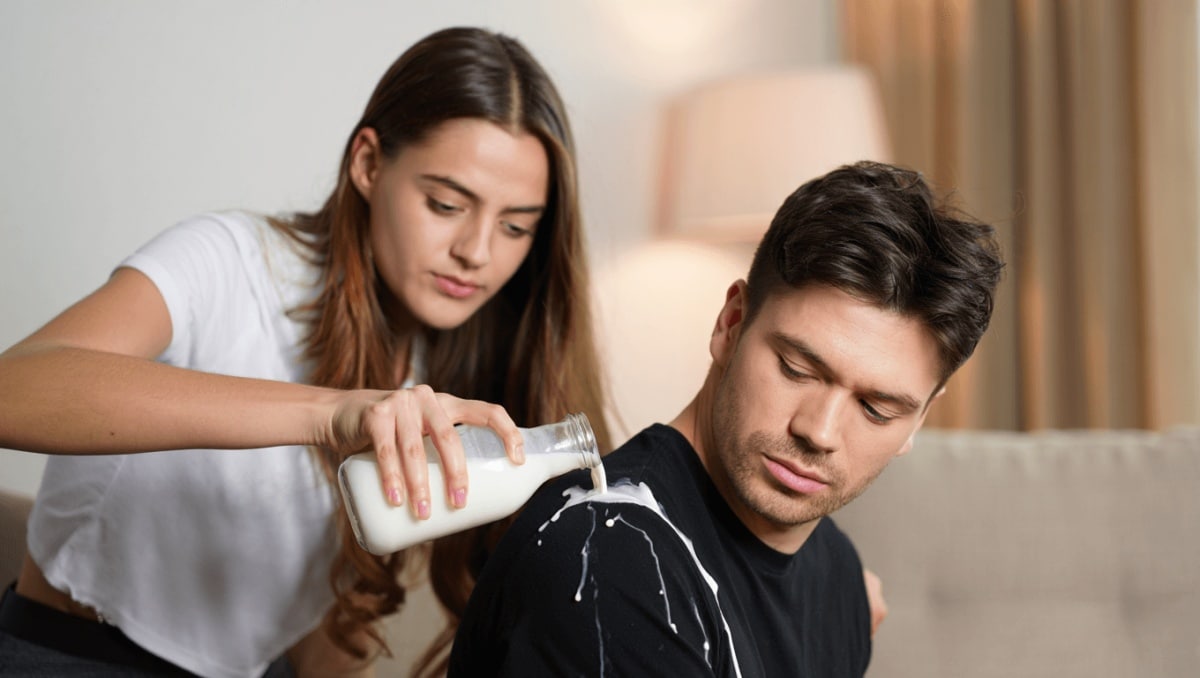
A messy new TikTok stunt has people spitting up milk on partners to test their patience, and the clips are stirring big debate online. Videos show creators sipping milk, leaning into loved ones and letting liquid drip like infant spit-up. Some viewers call it a playful relationship test. Others see it as mean-spirited and invasive.
What the viral “fake spit-up” prank looks like
The trend is simple and shocking. Someone drinks milk or holds it in their mouth, cuddles a partner or family member, then lets the liquid run out.
Anglo-Saxon burial reveals “unprecedented” secrets: experts stunned by 1,400-year-old grave mysteries
What Your Instinctive Tree Choice Reveals About Your Personality—Experts Explain
- Often filmed as a quick reveal for TikTok.
- Tagged with phrases like “relationship test” and “baby readiness.”
- Some creators add captions that frame the prank as humorous or revealing.
On the surface, it borrows imagery from parenting. But in practice it turns an intimate gesture into a surprise physical prank.
How people react in the videos — patience, panic, and ruined clothes
Reactions in the clips vary wildly. Some partners barely flinch and are praised for staying calm.
- Others jump up in alarm or burst into anger.
- Several recordings show expensive shirts, blankets, or furniture getting stained.
- In a few clips, the person hit by the prank immediately leaves the scene.
Calm responses are often labeled as proof of a good relationship by commenters. But not every calm reaction means the person was comfortable.
When the prank causes real distress
Not all outcomes are funny. Some people who experienced the prank disclosed deeper harms.
- One partner screamed and fled because they have emetophobia, a fear of vomiting.
- Others reported feeling humiliated or violated after being used in a public clip.
- Pranking older relatives or parents also produced mixed, sometimes upset, responses.
These moments remind viewers that a viral joke can trigger past trauma or strong phobias.
How audiences and creators framed the stunt online
Comment threads split into cheerleaders and critics. Many users praised patience and likened calmness to readiness for long-term care.
- Supporters wrote things like “He can handle mess” and “That’s husband material.”
- Others urged creators to stop, calling the pranks disrespectful.
- Several suggested less invasive tests, like open conversations about parenting and duties.
Some creators defended the content as harmless comedy. Others admitted they went too far after seeing negative reactions.
Ethical and safety concerns critics raise
Experts and everyday users alike flagged multiple red lines around the trend.
- Consent: Surprise physical acts can cross personal boundaries.
- Hygiene and health risks from spilling dairy on clothes or skin.
- Emotional harm when someone with a phobia or trauma is targeted.
- Power dynamics when one partner feels pressured to “be funny” on camera.
Pranks posted publicly also risk shaming or embarrassing people in front of a wide audience.
Safer alternatives and smarter ways to test compatibility
Viewers suggested constructive replacements for stunt-style tests. Many stressed the value of conversation over shock value.
- Ask direct questions about caregiving and household roles.
- Run low-stakes teamwork exercises that don’t involve surprises.
- Role-play parenting scenarios without physical pranks.
- Agree on boundaries beforehand and use mutual consent for recordings.
Clear communication was the most recommended route for assessing emotional readiness.
Moderation and platform response to viral prank content
Platforms like TikTok often rely on community reports and algorithm signals to limit harmful content.
- Some clips drew swift viewer backlash and were reported by users.
- Creators who crossed ethical lines faced criticism and calls to remove videos.
- But many prank videos remain viewable and continue to spread.
The persistence of the trend raises questions about moderation, virality, and the value placed on clicks over care.