Show summary Hide summary
- Jim Lee’s firm promise: AI will not replace DC creatives
- Reasons behind DC’s anti-AI position
- Earlier controversy: fan suspicion and artwork changes
- How rival studios have handled AI talk
- Fan reaction online: praise, skepticism and jokes
- Implications for creators, editors and the market
- What to watch next as the debate continues
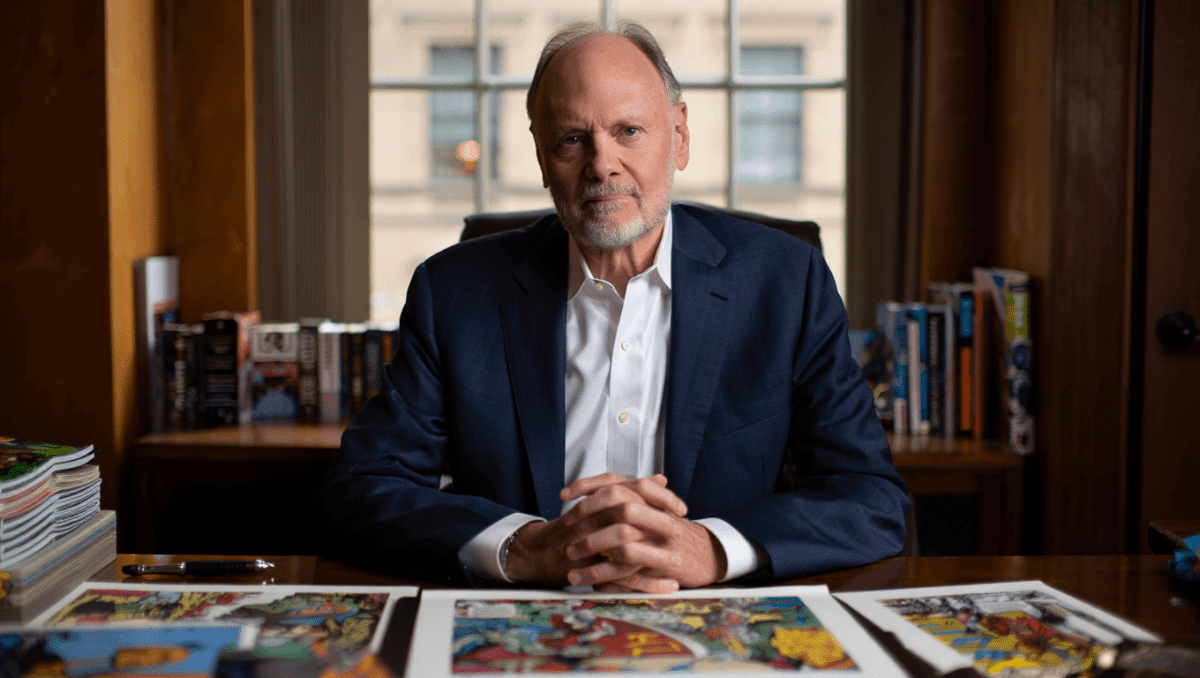
DC Comics president Jim Lee has drawn a firm line in the sand, telling audiences the publisher will not rely on AI to produce comics. The declaration has sparked wide conversation online, reigniting debates about creativity, technology and the future of comic-book storytelling.
Jim Lee’s firm promise: AI will not replace DC creatives
Speaking at a public event, Lee made it clear that DC will not incorporate AI-generated art or text into its creative process while he and his leadership team remain in place. The moment quickly spread across social platforms.
Anglo-Saxon burial reveals “unprecedented” secrets: experts stunned by 1,400-year-old grave mysteries
What Your Instinctive Tree Choice Reveals About Your Personality—Experts Explain
He argued that automated systems stitch together material from what exists, rather than inventing new symbolic worlds. DC’s stance emphasizes human imagination over algorithmic assembly.
Reasons behind DC’s anti-AI position
- AI models rely on vast data sets of prior work and remix existing styles.
- According to DC leadership, algorithms do not produce original narratives or emotional meaning.
- Maintaining a cohesive universe and long-term mythos requires human stewardship.
- DC frames fan-made content as distinct from the canon that defines characters and continuity.
Lee noted that while fan creations have a place, the identity of characters like Superman is tied to the publisher’s curated world. That continuity, he said, is not something an AI can invent from scratch.
Earlier controversy: fan suspicion and artwork changes
The announcement followed a small but notable controversy. Fans had flagged certain DC images as possibly AI-assisted. In response, the company replaced the questioned art and reaffirmed its support for human artists and writers.
That episode fed into broader mistrust about automated content in comic art circles. Publishers everywhere are navigating pressure from fans, creators and commercial partners over how and when to use new tools.
How rival studios have handled AI talk
Disney — parent company of Marvel — recently faced criticism for comments suggesting AI could let fans generate personal content and reduce the need for some human roles. The remark widened the discussion about corporate strategies and the value of skilled creators.
Fan reaction online: praise, skepticism and jokes
Responses on X and TikTok ranged from wholehearted approval to sarcastic takes.
- Supporters praised DC’s decision as refreshing and principled. One fan said more executives should take a similar stand.
- Some commenters hailed Lee as a defender of creators and called the move a win for the craft.
- Others joked that AI might have improved certain recent stories, naming specific titles in jest.
- On TikTok, an animator with a degree applauded DC and urged viewers to pick up a comic to see why human-made work matters.
The reaction mix shows a split between protecting creative labor and a desire for better stories.
Implications for creators, editors and the market
For artists and writers
- Policies banning AI use may protect freelance income and creative credit.
- Clear mandates could shape hiring and contract language across the industry.
For publishers
- Refusing AI may attract fans who value traditional craftsmanship.
- Publishers face trade-offs: speed and lower cost versus perceived artistic authenticity.
For the industry at large
- Legal disputes over training data and copyrighted work remain unresolved.
- Two different models may emerge: anti-AI houses and studios that integrate generative tools.
- Fan expectations will influence sales and brand trust going forward.
What to watch next as the debate continues
Keep an eye on how DC translates this pledge into policy for freelancers and staff. Watch for contract updates, editorial guidelines and any public responses from rival publishers.
Also watch creator communities and trade groups as they lobby for protections or explore responsible uses of generative technology. The conversation is likely to shape how comics are made and who gets credit for the work.