
Show summary Hide summary
A terse exchange on an Air Force One gaggle has reignited debate about presidential behavior toward the press. A Bloomberg reporter’s question about newly released Jeffrey Epstein emails drew a blunt rebuke from President Donald Trump, and the White House response to the fallout has amplified criticism from journalists and commentators.
What happened on the plane: a short, viral moment
Reporters pressed the president during a routine flight. Catherine Lucey of Bloomberg asked about language in the Epstein files that referenced Mr. Trump.
Anglo-Saxon burial reveals “unprecedented” secrets: experts stunned by 1,400-year-old grave mysteries
What Your Instinctive Tree Choice Reveals About Your Personality—Experts Explain
The president rejected the premise, then named other figures who appeared in Epstein’s correspondence. When Lucey tried to follow up, he snapped a short insult.
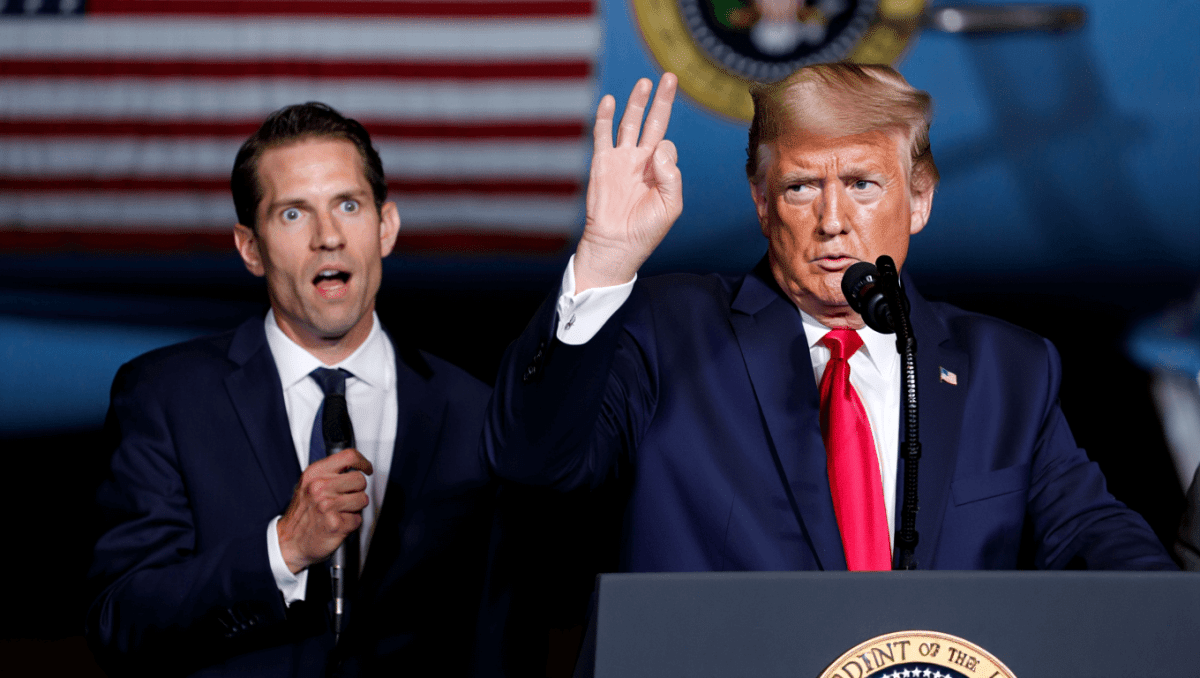
The president’s remark, “Quiet, piggy,” was captured on video and spread quickly online. The clip has become a focal point in debates about decorum and gendered insults in political discourse.
How the White House framed the exchange
White House officials pushed back against the outcry. They accused the reporter of acting improperly toward colleagues on the plane. They also argued that journalists should expect sharp responses.
The administration’s line shifted attention away from the president’s words. Instead, spokespeople emphasized the reporter’s conduct as the provocation.
Immediate media and public reactions
- Many journalists condemned the phrasing as demeaning and unprofessional.
- Commentators argued the rebuke fits a broader pattern of hostile presidential rhetoric toward the press.
- Some observers pointed out the gendered tone of the insult and questioned why other reporters did not intervene.
- Others mocked the White House defense, saying it suggested a double standard for what language is acceptable.
Social media response and satire
Online users responded with a mix of outrage and satire. Some suggested counter-insults for the president. Others joked about borrowing the line at workplace meetings, poking fun at the administration’s defense.
Context: why the Epstein emails mattered
The reporter’s question referenced newly released materials tied to Jeffrey Epstein. Those emails have fueled long-running public interest in Epstein’s network.
Journalists sought clarity about names and implications in the files. The president’s dismissive answer and counterexamples did not settle reporters’ queries.
Press freedom and the political stakes
For media organizations, the episode raises familiar concerns. Critics say the incident shows how hostile rhetoric can chill reporting and shift focus from substantive facts.
Supporters of the president framed the moment as a typical tough exchange that comes with covering high-profile officials.
Key takeaways for readers and journalists
- Video matters: Short clips can shape public perceptions instantly.
- Language has consequences: Insults directed at reporters prompt debates about civility and bias.
- Institutional responses shape the narrative: How the White House and newsrooms react determines which details dominate headlines.
Questions that remain unanswered
Reporters continue to press for clarity about the Epstein files. The larger debate over how presidents interact with the press is ongoing.
Who will set the norms for future exchanges, and how will newsrooms defend colleagues who face personal attacks? Those questions are now part of the story as it unfolds.