Show summary Hide summary
Bay Area creator Ashe Wright used a viral TikTok to accuse Hollywood of promoting an alarming new ideal: extreme thinness framed as glamorous. Her video ignited a heated online conversation about body image, health, and the way entertainment events can normalize dangerously low weights.
Why Ashe Wright spoke out on celebrity thinness
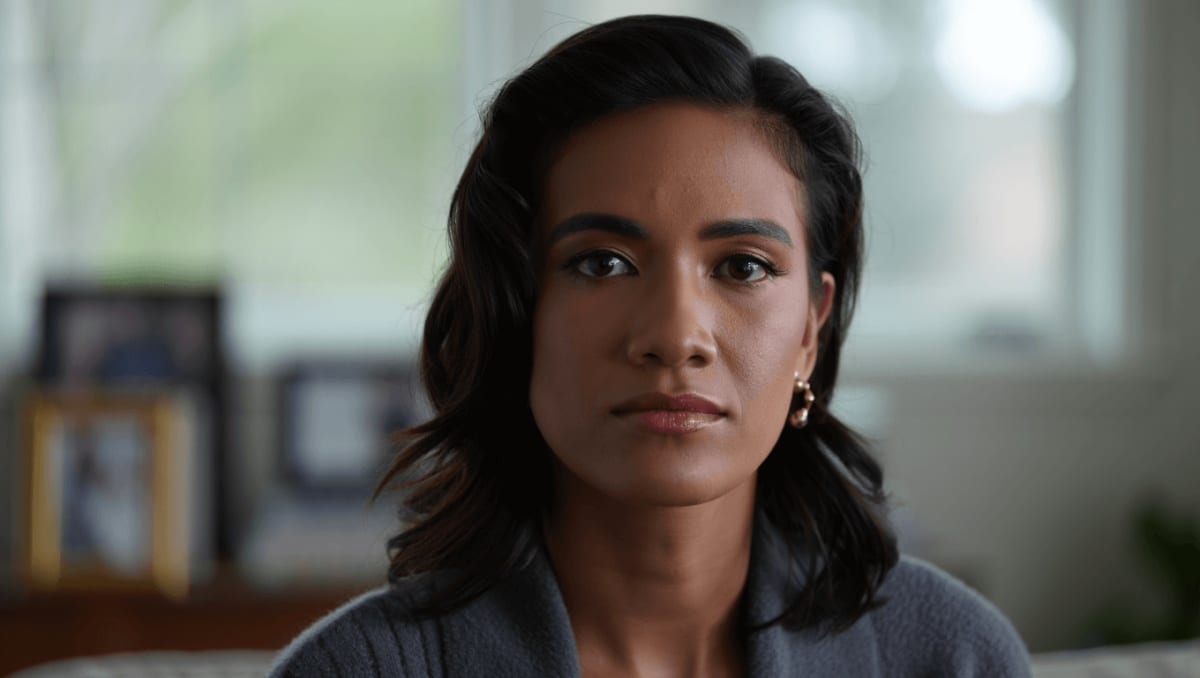
Wright, who posts as @yourdashofashe, said she had reached a breaking point. She described feeling exhausted by a pattern she saw at high-profile gatherings.
Anglo-Saxon burial reveals “unprecedented” secrets: experts stunned by 1,400-year-old grave mysteries
What Your Instinctive Tree Choice Reveals About Your Personality—Experts Explain
- She pointed to casts from hit productions and reality shows appearing unusually thin.
- She argued the look was being celebrated by fans and media alike.
- Wright told viewers she avoided social feeds because the trend felt overwhelming.
In the video, she characterized the phenomenon as more than a fashion choice. She suggested it was a repeated, visible pattern that seemed to set a new, unhealthy baseline for what audiences are told is desirable.
How people reacted online and in the comments
The clip generated rapid response. Many viewers agreed with Wright’s unease. Others pushed back and defended personal choice.
Supportive responses
- Some users said they were alarmed after seeing certain cast members at public events.
- Parents and caregivers shared personal anxieties about young people using celebrity images as dieting inspiration.
- Several commenters connected the trend to creators who promote extreme restriction or rapid weight loss methods.
Names and trends people mentioned
Commenters listed a mix of actors, reality stars, and influencers. They also brought up medications and trends tied to fast weight loss.
- Viewers called out examples from recent red carpets and fan conventions.
- Some attributed sudden transformations to drugs like Ozempic, which have been linked to rapid weight change in headlines.
- Others flagged public figures who have removed older images or framed dramatic weight loss as a sign of being “healthy.”
Health and cultural implications raised by the debate
Wright and many commenters framed the issue as a public health concern, not merely an aesthetic argument. They said the repeated visibility of extreme thinness can reshape norms.
- Body image pressure: Constant exposure can make extreme leanness seem aspirational.
- Risk to young people: Teens and young adults may emulate celebrities without context.
- Industry influence: Casting and red-carpet styling can amplify narrow standards.
Several voices stressed that calling out harmful trends is about safety and awareness. They argued discussion should focus on health and access to resources, not shaming individuals.
Real-life consequences mentioned by viewers
Comments included personal stories that illuminated the stakes. One parent shared that their child was receiving inpatient treatment for an eating disorder and had searched for celebrity images for “inspo.”
Other replies described seeing creators encourage extreme restriction or praise minimal eating. Those accounts fueled wider concerns about how online celebrities can unintentionally promote harmful behavior.
Where to find support and reliable information
Because the conversation touched on eating disorders and mental health, several commenters encouraged people to seek professional help when needed. For immediate, confidential support, the National Eating Disorders Association provides resources and a helpline.
- Contact the National Eating Disorders Association: nationaleatingdisorders.org/help-support/contact-helpline
- Speak with a medical professional or licensed therapist for guidance.
- Look for community groups that focus on recovery and healthy body image.
How creators and audiences are responding now
Some influencers have addressed the debate directly. Others have left it alone. The discussion has prompted broader conversations about responsibility on social platforms.
- Creators are being asked to add context when discussing weight changes.
- Audiences are more vocal about the difference between health and aesthetic ideals.
- Media outlets and fans are reconsidering how they frame and praise celebrity bodies.