Show summary Hide summary
- How the viral post unravelled the ad mystery
- What the law generally says about using someone’s image
- Exceptions where permission might not be required
- Practical steps if your photo appears in an ad without consent
- Public reaction and what commenters suggested
- What to check before you assume a violation
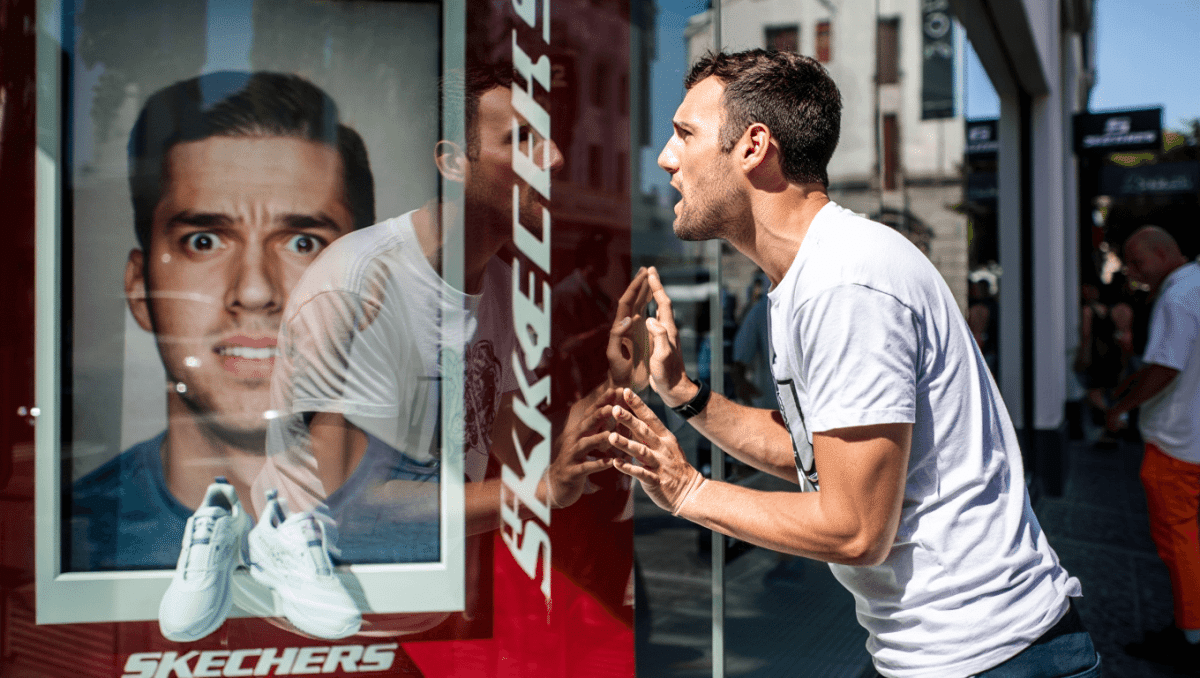
A TikTok video put artist Justin Starling under the spotlight after he discovered his face on a Skechers in-store advertisement without his consent. He says he first saw the display after a follower messaged him, then visited the store and recognized a photo of himself altered to show Skechers shoes. The clip has since drawn thousands of views and raised questions about image rights and corporate practices.
How the viral post unravelled the ad mystery
Starling, who posts as @justusraps, says the image in the display originated from a 2021 Instagram post he made. He claims the brand or its partners replaced the shoes in that photo with Skechers models.
Anglo-Saxon burial reveals “unprecedented” secrets: experts stunned by 1,400-year-old grave mysteries
What Your Instinctive Tree Choice Reveals About Your Personality—Experts Explain
In his video, he shows the original Instagram picture and the altered ad side by side. He says he never received contact from the company and was not paid.
The TikTok drew attention fast. View counts climbed into the tens of thousands as viewers examined whether the change was a harmless edit or a legal violation.
What the law generally says about using someone’s image
Several legal principles apply when a company uses a person’s likeness to promote goods. The most relevant are the right of publicity and copyright rules.
Right of publicity
The right of publicity lets a person control commercial use of their identity. Face, name, and likeness are treated as property in many states.
Using a person’s image in an ad typically requires permission. Doing otherwise can lead to claims for unauthorized commercial exploitation.
Copyright and photographer rights
If a photographer took the original photo, they usually own the copyright unless they transferred it. That ownership affects who can license or sell the image.
Even when a photographer holds copyright, the subject often retains publicity rights over commercial uses of their likeness.
Exceptions where permission might not be required
There are narrow situations where a brand can use an image without asking the subject first:
- News reporting and editorial uses that are protected by free speech principles.
- Images released under a signed model release or event waiver.
- Photos that have entered the public domain or are otherwise free of copyright.
- Some documentary or artistic contexts where commercial endorsement is not implied.
Outside those specific cases, commercial advertising usually demands explicit authorization.
Practical steps if your photo appears in an ad without consent
If you find your face in a commercial image, acting quickly helps preserve options.
- Document everything: Take photos of the ad and save timestamps and links.
- Contact the company and describe the unauthorized use.
- Request removal or open talks about compensation.
- If ignored, consult an attorney experienced in publicity or IP law.
Legal counsel can assess ownership, releases, and potential claims. They can also advise on sending cease-and-desist letters or pursuing damages.
Public reaction and what commenters suggested
Viewers of Starling’s clip quickly debated who actually controls the original image. Many asked whether a photographer or agency had sold rights.
Others urged Starling to pursue legal remedies. Comments ranged from practical tips to bold estimates of potential settlements.
Common audience advice: verify any signed releases, trace the image’s licensing chain, and get a lawyer if the company refuses to address the issue.
What to check before you assume a violation
Not every reuse is unlawful. Before taking action, consider these points:
- Did you sign a release at the original shoot or event?
- Who owns the copyright to the original photo?
- Was the image altered in a way that changes its context?
- Is the usage editorial or commercial in nature?
Answers to these questions determine whether the case is likely to be a rights violation or a permitted use.