
Show summary Hide summary
- Video sparks debate: creator says T.J. Maxx is now a “micro-trend” hub
- What shoppers saw on the shelves
- How online communities reacted
- Why discount chains often carry micro-trend merchandise
- Environmental and consumer-cost concerns
- Practical steps shoppers can take
- Retailers’ choices and the path forward
A viral TikTok has thrust T.J. Maxx into a heated conversation about the store’s shelves. A creator’s critique of stacked novelty items and trend-driven clutter has prompted shoppers to question whether the longtime discount favorite still delivers the reliable deals it once did.
Video sparks debate: creator says T.J. Maxx is now a “micro-trend” hub
On Oct. 15, 2025, creator Alyssa Barber (@newlifestyleabb) posted a short clip that has since drawn widespread attention. In the video, she highlights an array of impulse buys and seasonal knickknacks, arguing the retailer has tilted toward fleeting trends over lasting value.
Anglo-Saxon burial reveals “unprecedented” secrets: experts stunned by 1,400-year-old grave mysteries
What Your Instinctive Tree Choice Reveals About Your Personality—Experts Explain
Her post, now viewed hundreds of thousands of times, frames the change as cultural as much as commercial. Barber uses on-screen captions to contrast the store’s past reputation for discounted name-brand staples with what she calls a present full of novelty goods.
The central claim: shoppers are being nudged to buy cheap, short-lived items rather than quality basics.
What shoppers saw on the shelves
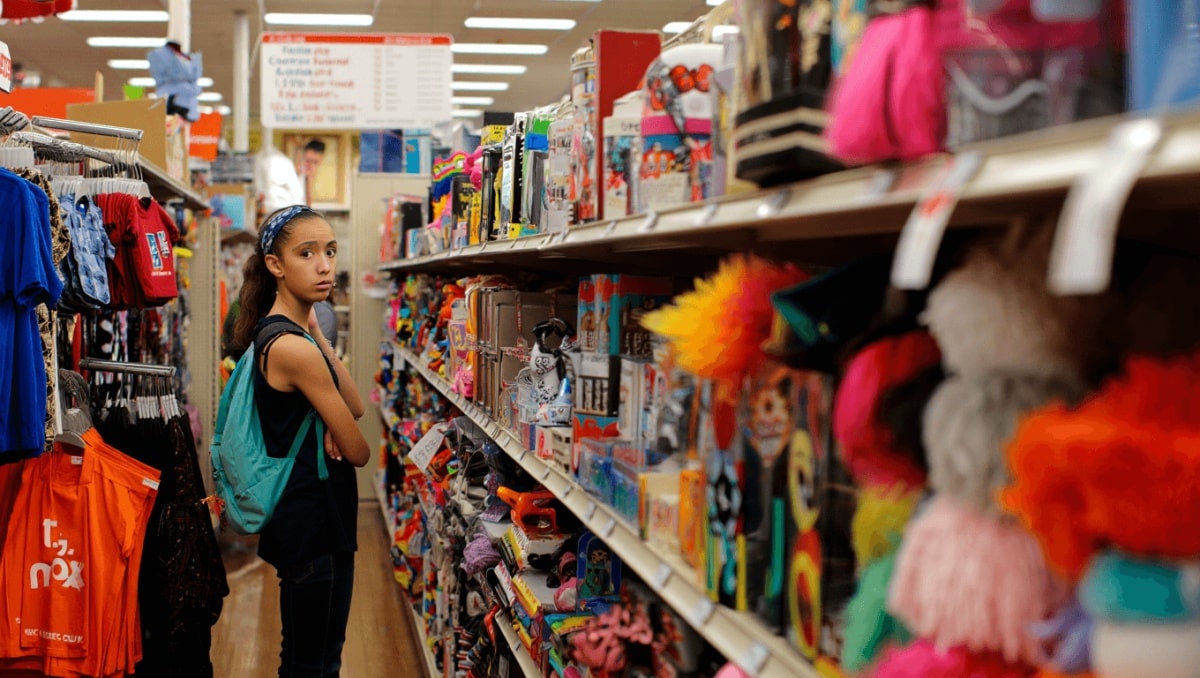
Barber’s footage zooms in on several product categories that viewers found emblematic of the shift. Examples include:
- Seasonal decorations meant for single-use occasions.
- Low-cost candles and aroma items with questionable durability.
- Novelty purses and trend-driven accessories with limited function.
These items are portrayed as the kind of impulse purchases that spread quickly on social platforms and then fade.
How online communities reacted
The comment thread under the TikTok grew into a wider critique of trend culture. Many users blamed social media for encouraging rapid product turnover. Others weighed in with personal takeaways from their visits to discount retailers.
- Some blamed TikTok for changing what ends up on discount shelves.
- Others described recent trips as feeling more like a novelty bazaar than a bargains store.
- Longtime employees and regulars noted past eras when name-brand finds were more common.
Consensus among many commenters: an increase in trend-focused goods has reduced the store’s cachet for dependable discounts.
Why discount chains often carry micro-trend merchandise
Understanding inventory flows helps explain the phenomenon. Discount retailers often acquire overstocks, liquidations, and unsold items from other suppliers.
This model can naturally collect trend-heavy items that failed to sell elsewhere. Retailers may also buy into what’s popular on social platforms, hoping short-term demand will drive quick turnover.
Result: aisles that once stocked timeless basics can become populated by fast-moving, novelty items.
Environmental and consumer-cost concerns
Critics worry about the environmental toll of disposable trend items. Single-use or low-durability goods increase waste and can accelerate landfill accumulation.
Shoppers also lament the lost value proposition. When a discount retailer sells more novelties, consumers may find fewer opportunities to save on durable, brand-name essentials.
Key issue: overconsumption driven by platform trends can conflict with sustainability goals.
Practical steps shoppers can take
Consumers who want to avoid trend-driven purchases can change how they shop. Simple tactics include:
- Inspecting materials and construction before buying.
- Prioritizing items with clear utility and longer lifespan.
- Choosing secondhand or verified-brand outlets for staples.
- Limiting impulse buys influenced by social media hype.
These approaches help buyers focus on lasting value and reduce the chance of contributing to fast-cycle consumption.
Retailers’ choices and the path forward
For stores, balancing fast-moving trends with dependable inventory is a strategic challenge. Some chains lean into novelty to capture viral attention. Others aim to preserve their legacy as sources of lasting bargains.
What remains clear: shoppers are watching, and social platforms can quickly shape perceptions about a brand’s identity.