
Show summary Hide summary
- What the viral video showed and why it surprised viewers
- Social media reaction: mockery, solidarity, and varied takes
- Quick, clear facts: how prescription lenses actually work
- How Imani responded as the backlash grew
- Why myths like this take hold and how to correct them
- Voices echoing the story and what they reveal about trust
A short TikTok clip this week reignited a small but revealing conversation about everyday science. Creator Imani shared that she only recently discovered prescription glasses do not contain any topical “medicine” on their lenses. Her story has since drawn both laughter and sharp criticism online, while also opening a window into how myths travel across generations.
What the viral video showed and why it surprised viewers
In a brief clip, Imani explained she grew up hearing relatives warn children not to touch eyeglasses because “they got medicine in them.” Without needing corrective lenses herself, she never questioned the idea. When she finally saw a clear explanation on TikTok, it upended what she had always believed.
Anglo-Saxon burial reveals “unprecedented” secrets: experts stunned by 1,400-year-old grave mysteries
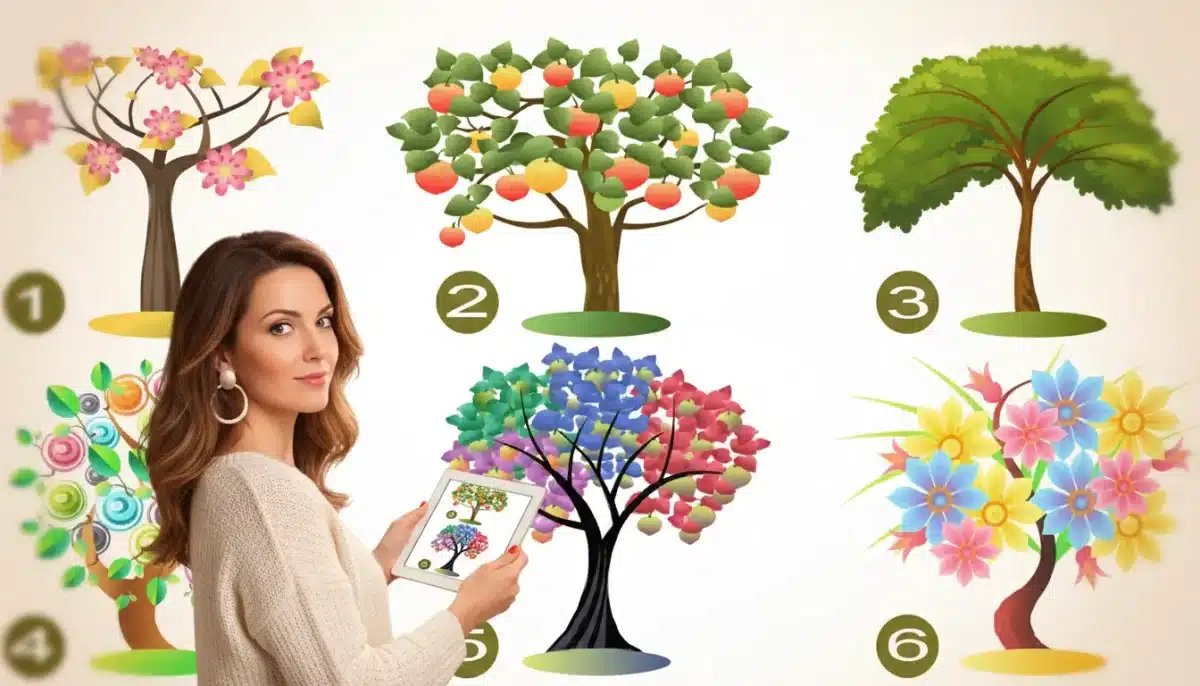
What Your Instinctive Tree Choice Reveals About Your Personality—Experts Explain
The moment captured many viewers’ attention because it mixed innocence, curiosity, and the kind of family lore many people recognize.
Social media reaction: mockery, solidarity, and varied takes
The post quickly spread beyond TikTok, landing on Reddit and other platforms. Responses split between ridicule and empathy.
- Some commenters mocked the misunderstanding and treated it like a lapse in basic adult knowledge.
- Others tried to explain the likely origin of the belief, such as confusing the word “prescription” with medicine.
- Many people shared similar family stories, especially from households where explanations were passed down informally.
Across threads, observers debated whether the mistake came from simple mishearing or poor explanations at home. A noticeable number of replies noted that cultural anecdotes often persist in Black and Brown communities.
Quick, clear facts: how prescription lenses actually work
To clear up the confusion, here is a concise explanation of how eyeglass lenses are made and why there is no medicine involved.
Basic process of creating a prescription lens
- An eye exam determines refractive error and produces a numerical prescription.
- That prescription tells a lab the curvature and thickness needed to bend light correctly.
- Technicians grind or mold plastic or glass to match those measurements.
- Lenses are coated for scratch resistance or anti-glare, but those are thin protective layers, not medicine.
In short: lenses alter how light enters the eye. They do not contain topical treatments or medicinal substances.
How Imani responded as the backlash grew
After negative comments escalated, Imani posted follow-up videos addressing the reaction. She described feeling hurt by the harsh tone of some replies.
She explained the origin of her belief came from elders in her family who warned children about touching glasses. The phrase she heard as a child became an accepted explanation.
Her appeal was twofold: she wanted to share a new fact she learned, and she asked for basic kindness when people publicly reveal gaps in their knowledge.
Why myths like this take hold and how to correct them
A few patterns explain the persistence of ideas like “medicine in glasses.”
- Language confusion. Words such as “prescription” and “medicine” overlap in everyday speech.
- Generational shorthand. Caregivers often give quick warnings without full explanations.
- Limited exposure. People who don’t need glasses rarely learn the technical details.
Simple, empathetic education works best when correcting this kind of misinformation.
- Offer a brief, factual explanation rather than ridicule.
- Show how prescriptions are measured and how lenses are produced.
- Share visuals or reputable resources for anyone curious to learn more.
Voices echoing the story and what they reveal about trust
Many commenters who defended Imani also shared their own family myths. That pattern suggests this isn’t an isolated misunderstanding.
When people grow up hearing casual, handed-down explanations, those ideas can become deeply rooted. That is especially true in communities where access to formal information was limited or explanations were simplified for children.
Discussion around the clip highlights two things: the need for clearer public education and the value of treating learners with respect.